
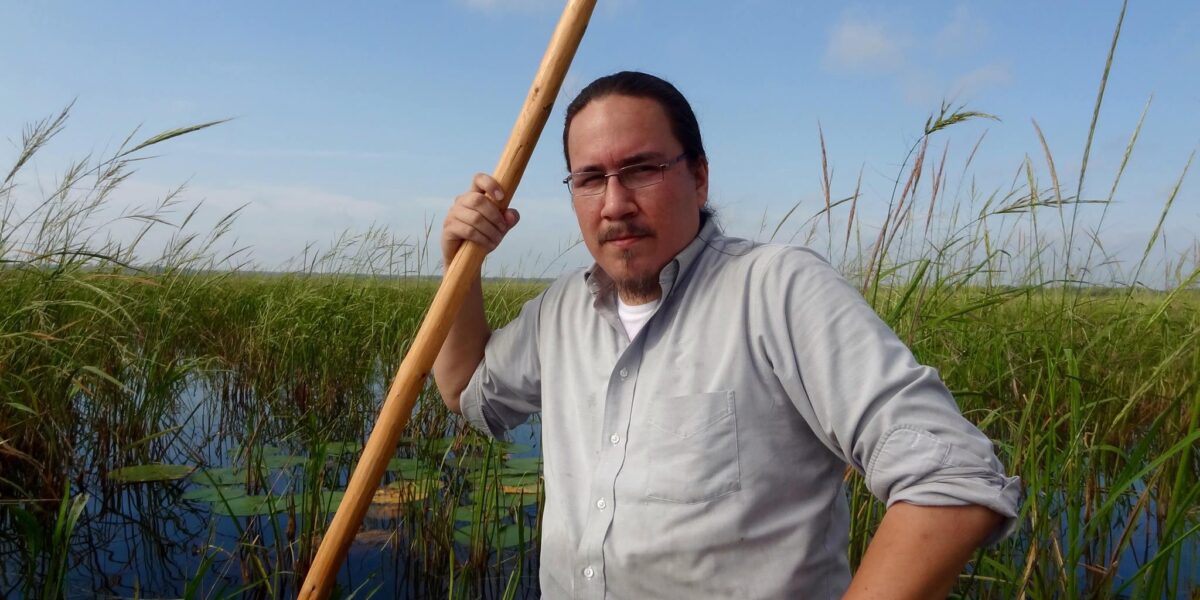
This week on Minnesota Native News, efforts are underway across the Americas to bring back native languages. Emma Needham has two stories of Ojibwe Language revitalization in Minnesota
Leslie Harper is a member of the Leech Lake Band of Ojibwe and has worked in language revitalization efforts on both a local and national level for the past 25 years.
Leslie helped to create an Ojibwe immersion school and the Leech Lake community in the early 2000s. Her community brainstormed and came up with an approach to bring back the language and culture together.
“We started planning what would a school look like in our community? What does education mean to us as Ojibwe people what we proposed was providing education through the medium of Ojibwe language, all subjects being taught in Ojibwe language instead of English,” said Harper.
Leslie Harper is now president of a volunteer organization called the National Coalition of Native American language schools and programs.
When I took Ojibwe courses last year, Memegwesi Sutherland was my teacher. He teaches Ojibwe language courses and leads language tables a few nights a week via zoom for the Minneapolis American Indian center.
“I Learned Ojibwe when I was a kid, I was a fluent speaker. Back then, I had to learn English and French when I was a kid in schools. So slowly over time, because I grew up speaking Ojibwe, and living the old Ojibwe lifestyle. When I saw English speakers, I really envied them. So that’s why I kind of like I kind of left behind by the Ojibwe language and the Ojibwe teachings and how we live how I grew up. I wanted to be like everybody else like English speaking,” said Sutherland.
Memegwesi was in his late teens, when he realized he could no longer reply back to his mother. That’s when he went to college to relearn Ojibwe.
“So sometimes I kind of like, stay away from the body language, culture stuff once in a while. But that’s there in me because of the racism I experienced growing up. So sometimes it’s a battle to like to get past that,” said Sutherland.
Teaching Ojibwe language is not what Memegwesi set out to do. But he believes that his experience teachings and conversations with people around him led him to that path. Language and Culture teachings often come from elders, as elders pass on, it impairs a community’s cultural and language capacity. This is Leslie Harper, again,
“We’ve been at a critical need. And we said this 20 years ago, right, that we have a critical need to revitalize our language. Because we have, you know, a few 100 people. For me here at least late 20 years ago, we were able to say we have, you know, a couple 100 speakers. And that was a feeling of critical need and critical loss to us,” said Harper.
Memegwesi Sutherland explained that his experience is that language revitalization is both getting better and worse at the same time,
“Because of Zoom, we can connect with elders know over long distances, because before in order, if you wanted to see an elder you have to go to their place. And nowadays, because zoom you can just like hit them up like this, and then just be in a meeting,” he said.
Memegwesi says that our ancestors and ceremonies are exactly the reason why people should speak Ojibwe, and that our ancestors are already ahead of us.
“The reason why it’s important to speak to them because that’s who you’re talking to. You’re talking to our ancestors. And some people were afraid of what’s going to happen to their future when the elders pass on, you know like everybody thinks all the culture is gonna die off. But then we were told that the original teachers are the spirits and they said in the future when the younger generation brings back the language, they’re also going to bring back the spirits and the spirits are going to teach them again,” he said.
Both the US House and Senate are considering new bills that would establish a national Native American language Resource Center to honor Congress’s obligation to tribes and indigenous communities to protect and promote original languages.
Emma Needham reporting for Minnesota Native News
Subscribe to A Mile in My Moccasins


More from Native Lights
- Michael Kurtz: Tales of a Wildlife Photographer
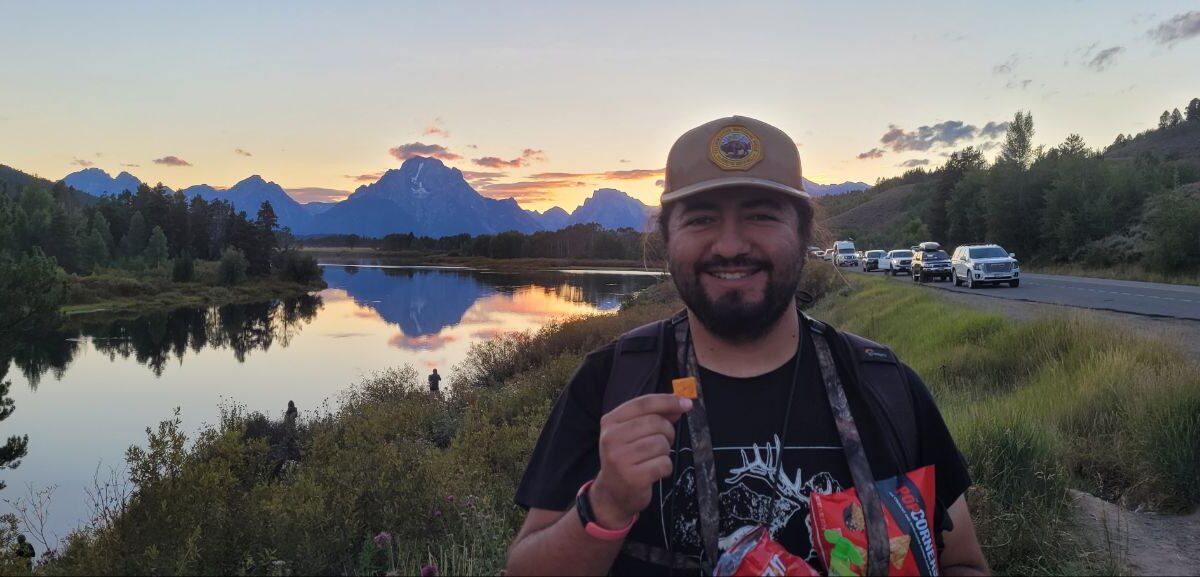 Our guest today is a photographer who takes some stunning photos of wildlife. We’re very excited to speak with Michael Kurtz (Tasunka Opi). He’s Sicangu Lakota, enrolled in the Lower Brule Sioux Tribe. He runs Lakota Photography, blending wildlife photography, tracking, and cultural education. He’s also a naturalist and has volunteered with groups like the National Park Service and Project Coyote. He has spent countless hours across the Dakotas, Minnesota, and beyond, capturing wildlife in its natural habitat. Currently, he’s supervisor of programming and interpretation with Hoċokata Ṫi Cultural Center at the Shakopee Mdewakanton Sioux community.
 - Kent Estey: The Art of Survival
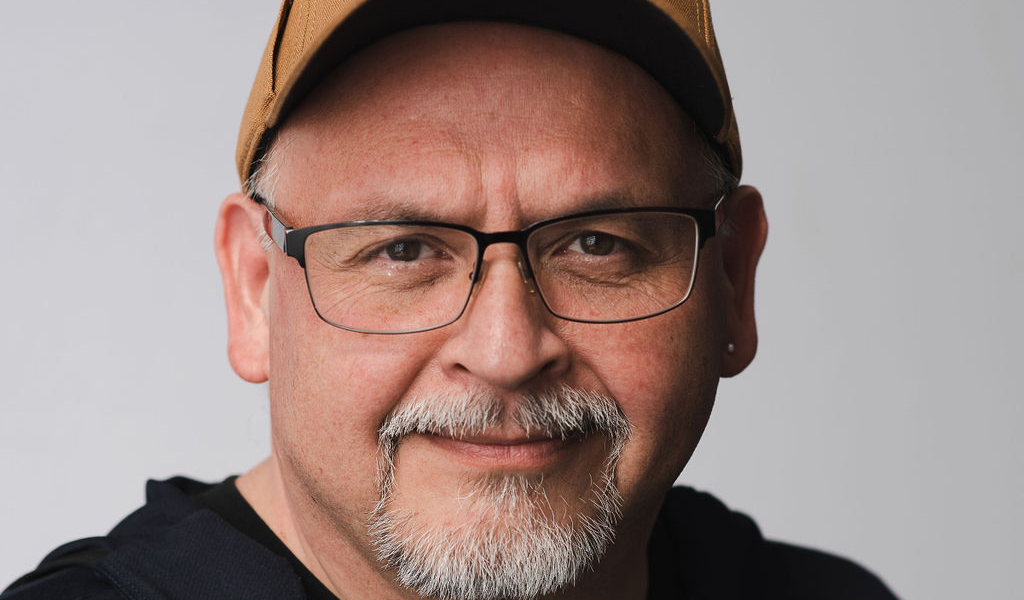 On this episode, we speak with contemporary artist and White Earth Nation citizen Kent Estey. Kent paints at his home studio in Naytahwaush, in the heart of the White Earth Reservation. He’s known for really bold abstract landscapes, acrylic, oil, ink, and metal. He’s also an author. In 2025, he released the children’s book Picking Sweetgrass. His latest exhibit, “Mino-Bimaadiziwin: The Good Life” runs through Labor Day weekend in Detroit Lakes.
 - Rafael Gonzalez, aka, Tufawon: How a Minneapolis Rap Artist Learned How to Sing and Make a Difference
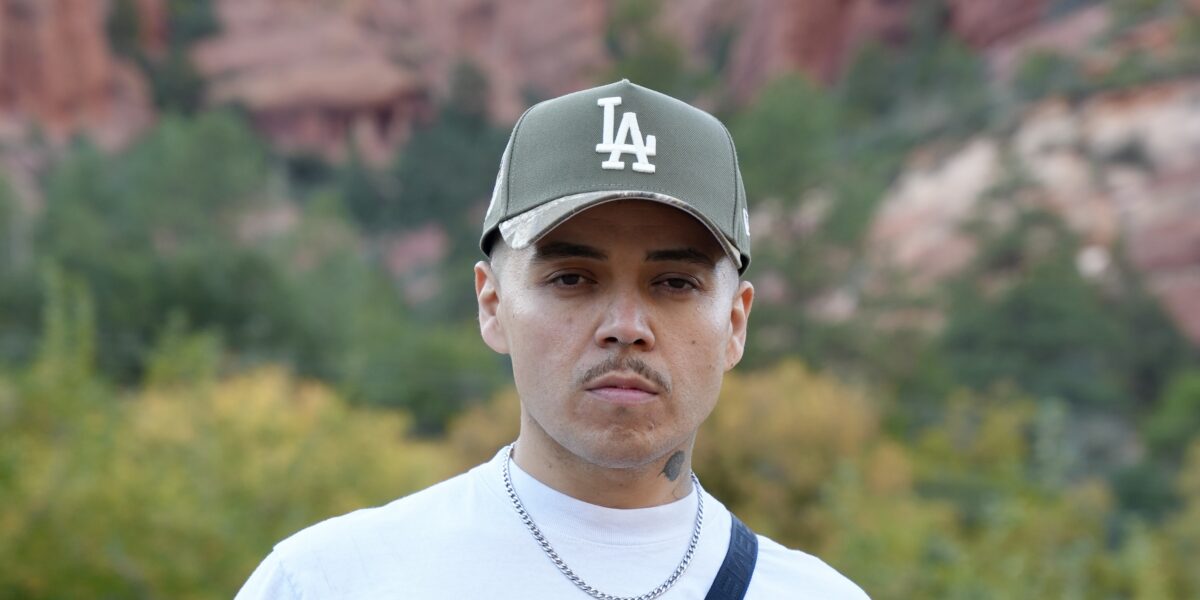 We are very excited to speak with Rafael Gonzalez, aka, Tufawon. He is a Mdewakanton Dakota and Boricua (Puerto Rican). He’s a rapper, singer-songwriter, and producer who calls South Minneapolis home. In addition to his music making, he’s an educator. He teaches youth music production, songwriting, and recording through his music production program “.WAVWARRIOR”.
 - Alexandera Houchin: Life on Two Wheels
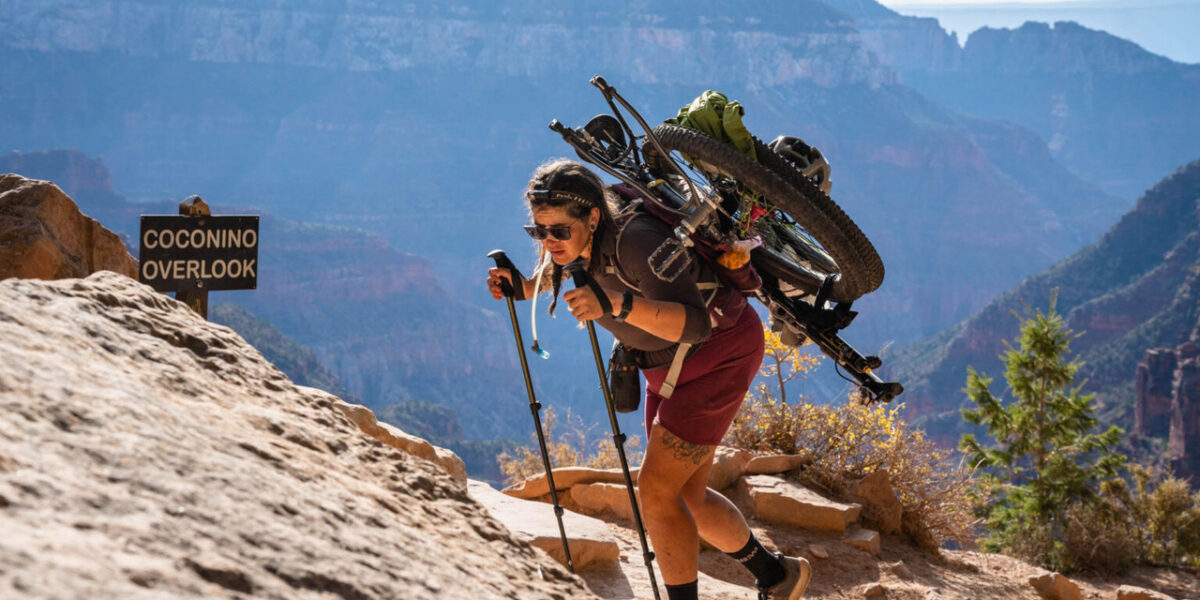 Today, we’re very excited to Welcome Alexandera Houchin to the Native Lights podcast. Alexandera is a citizen of the Fond du Lac Band of Lake Superior Chippewa (Ojibwe). She resides in her reservation community in northern Minnesota. She’s an ultra racer, bike packer, mountain biker, outdoor adventurer, storyteller, and writer. And she is currently working on her memoir for Penguin Random House and is the subject of a documentary.
 - Bradley Harrington: The United States 250th Anniversary from an Anishinaabe Perspective
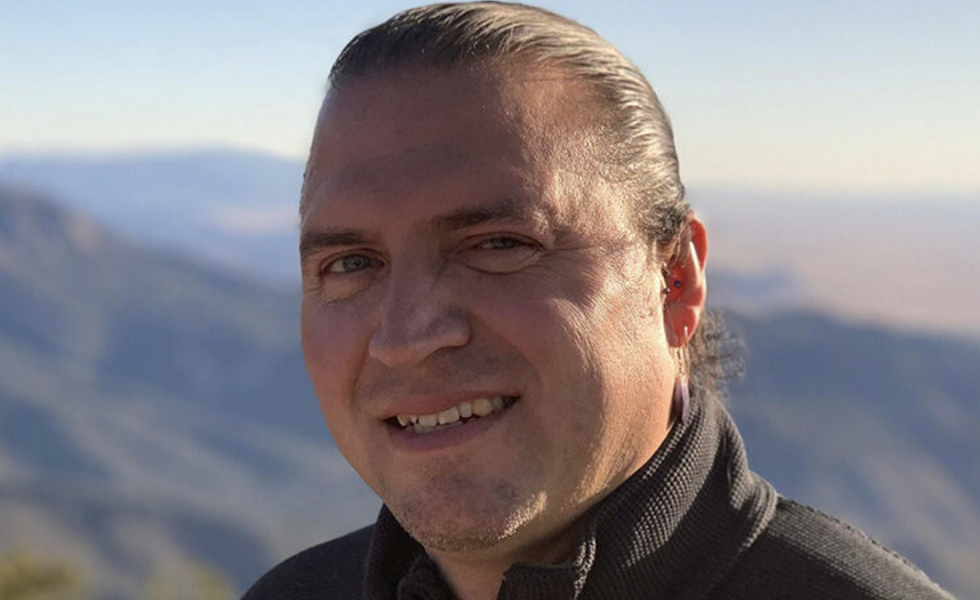 On this episode Leah and Cole speak with Mille Lacs Band of Ojibwe citizen Bradley Harrington who recently penned an article in the Mille Lacs Band newspaper, Ojibwe Inaajimowin, about 250 years of US occupation as the country marks the anniversary of the signing of the Declaration of Independence.
 Tribal Communities Moving Forward and Learning from Pandemic