
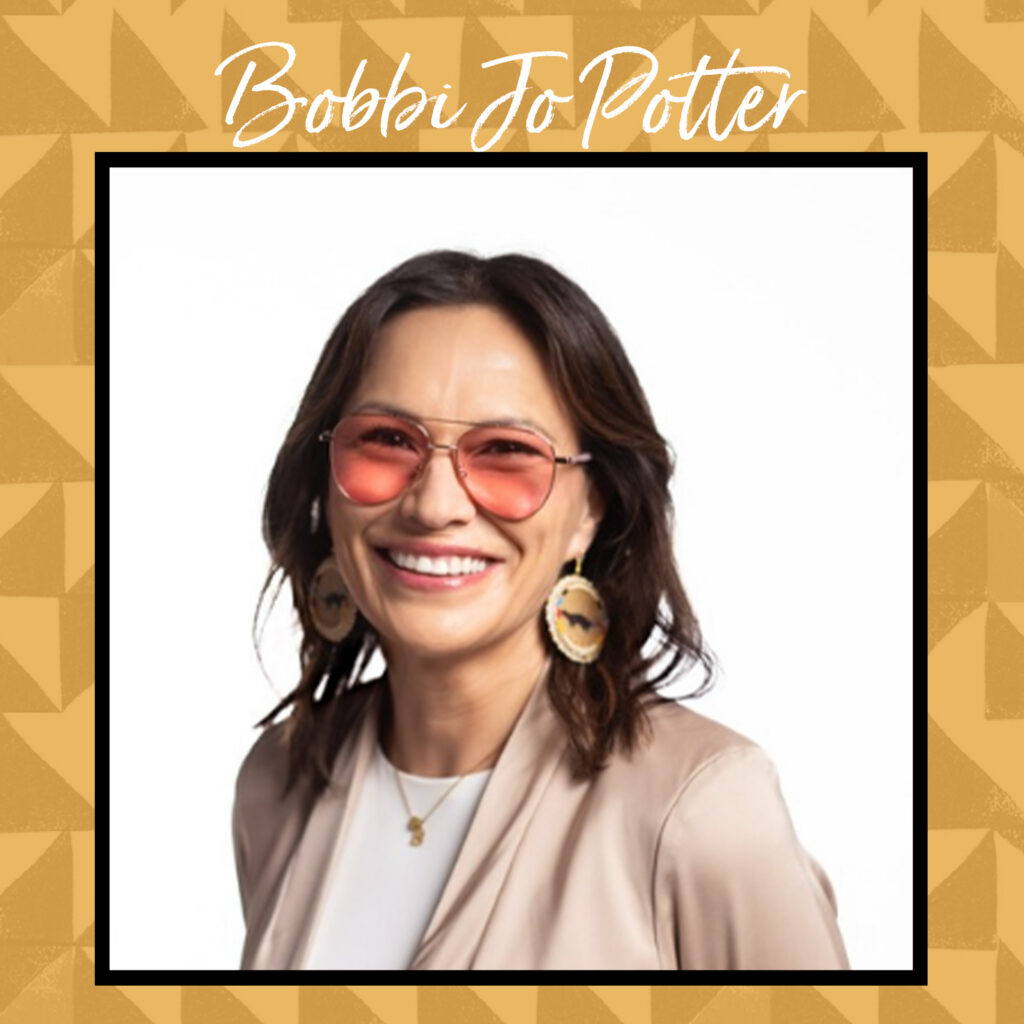
Today, we’re speaking with Bobbi Jo Potter, a citizen of the Bois Forte Band of Chippewa. She’s deputy director of Children and Family Services in Ramsey County and is a 2026 Bush Fellow working to keep Native families connected and make child welfare more about relationships and healing.
Bobbi Jo grew up with a strong sense of service. She figured she’d like nursing. But a few poor grades in science courses had her contemplating quitting school, until someone suggested she check out social work. An inspirational professor, working in child protection, provided the lightbulb moment that launched Bobbi Jo on her path.
She talks about what it means to be a bridge between families and needed services, how to navigate a system that doesn’t always work, and why it’s important to listen to and stay active in the Indigenous community to become the change she wants to see.
Bobbi Jo lets us in on her plans for her year-long Bush Fellowship. She also shares the importance of mentors and her belief in the power of reframing challenges by looking at them through an Indigenous lens.
—–
Hosts / Producers: Leah Lemm, Cole Premo
Editor: Britt Aamodt
Editorial support: Emily Krumberger
Mixing & mastering: Chris Harwood
Native Lights is produced by Minnesota Native News and AMPERS with support from the Minnesota Arts and Cultural Heritage Fund.
—–
For the latest episode drops and updates, follow us on social media.
Never miss a beat. Sign up for our email list to receive news, updates and content releases from AMPERS. ampers.org/about-ampers/staytuned/
This show is made possible by community support. Due to cuts in federal funding, the community radio you love is at risk. Your support is needed now more than ever. Donate now to power the community programs you love: ampers.org/fund
TRANSCRIPT
[Music: Native Lights Theme]
BOBBI JO POTTER: When we, as communities, develop programs and services and things for our residents, for our families, for our relatives, our outcomes are like so much better than what we see in other systems. We can all benefit from it, right? I think the purpose of us is to be here and have this experience, and to share what we learn, pass on. Right?
COLE PREMO: Boozhoo, hello. Welcome to Native Lights, where Indigenous voices shine. I’m your host Cole Premo.
LEAH LEMM: And I’m your other host, Leah Lemm. Miigwech for joining us. Native Lights is more than a podcast and radio show. At its core, it’s a place for Native folks to tell their stories. Each and every week, we have great conversations with wonderful guests from a bunch of different backgrounds: musicians, healthcare advocates, educators, language warriors. You name it. We chat with them, and they all have this great mixture of passions. So we talk with them about their gifts and how they share those gifts with their community, and it all centers around the big point of purpose in our lives. And it’s another day, Cole, another opportunity to amplify Native voices. How are you doing?
COLE PREMO: I’m doing great. Mariya’s on a work trip, and I’m watching Artem by myself. Not right now. Her mother is watching him. So wish me luck. We’re just gonna chill, have fun, bond a little bit. You know how it goes. So I’m doing well. How are you?
LEAH LEMM: Good, really good. I am home with the dog. My guys are traveling their own which ways, but Marvin is in D.C. at the moment that we are chatting here now, recording, and I’m getting pictures back from him from museums. He must have been at a history museum that talked about the Lincoln assassination because I got back like a picture of like a pillow with like blood on it.
COLE PREMO: Oh.
LEAH LEMM: Yes, very interesting stuff.
COLE PREMO: Interesting.
LEAH LEMM: So I’m just trying to be easy breezy and not worry about my 13 year old being far away. He has a chaperone there and friends there, of course. So I’m sure he’ll be fine. It is something to get used to.
COLE PREMO: Sounds fun. Is that the first trip where he’s out on his own, kind of like that?
LEAH LEMM: Not for so many days. Yes, he did go to Salt Lake City with archery before.
COLE PREMO: That’s right. That’s right. But that was a really short trip.
LEAH LEMM: This one’s several days.
COLE PREMO: So are you like trying to limit the amount of times you check in on him, or he just letting it fly, just texts, calls all over the place.
LEAH LEMM: Just trying to relax. Like, what would I want our parents to do, sort of thing?
COLE PREMO: It must be tough to fight that urge, though.
LEAH LEMM: Uh huh.
COLE PREMO: Well, he’s e’s having fun though. That’s good. That’s good.
LEAH LEMM: Yes, he is having fun, and I’m sure singing Hamilton the musical songs.
COLE PREMO: He’s still on that, isn’t he?
LEAH LEMM: All over town.
COLE PREMO: All right, you know we got a guest today. So today we’re very excited to speak with Bobbi Jo Potter, a citizen of the Bois Forte Band of Chippewa. She’s deputy director of Children and Family Services in Ramsey County and is a 2026 Bush Fellow working to keep Native families connected and make child welfare more about relationships and healing. And here she is.
BOBBI JO POTTER: Boozhoo. Hello.
LEAH LEMM: Boozhoo. Aaniin.
COLE PREMO: All right. Aaniin, Bobbi Jo. Could you please start by introducing yourself and you know letting us know where you’re joining us from?
BOBBI JO POTTER: Yeah, boozhoo. [Introduces herself in Ojibwe-mowin.] My name is Bobbi Jo Potter. I’m a citizen of the Bois Forte Band of Chippewa. I also have affiliation with the St. Croix Band of Chippewa of Wisconsin. I’m currently located in Little Canada, Minnesota.
COLE PREMO: Thank you. How are you doing? How’s the family doing?
BOBBI JO POTTER: You know, doing great. I’m over here like always grateful. People laugh at me because I’m always like I’m living my best life. And even when things don’t seem like I’m living my best life, I’m like there’s something to our words and like them being powerful. And so I’m like, no matter what, it’s always I’m living the creator’s dream. Whether or not it feels like a dream or a nightmare, you know, it’s perspective, right?
COLE PREMO: I love it. I need that. I need more of that.
LEAH LEMM: Yeah, I gotta put that on my wall here in a little frame. Great. Well, Bobbi Jo, we like to kick off our conversations by asking if there’s anything that you are thinking about reading, watching, or anything that you’re concentrating on these days?
BOBBI JO POTTER: My favorite author, I guess I can’t pronounce their full name, and so I don’t want to try because I won’t do it justice. The author who wrote the book Dancing on Our Turtle’s Back. She’s an Indigenous author out of Canada, and it is an amazing book, kind of talking about resurgence and what that looks like for Indigenous communities to reclaim and decolonize different systems and whatnot. And so, I read that book a few years ago and just was like completely inspired by it. And I think I even found her locally here in the Metro when she came to the University of Minnesota. And when saw her, I didn’t I didn’t get a ticket to get inside, but I sat out and watched her on the TV screen there because I was like, I just want to like be present for one of her books and what she shares about it. I love audio books, and so I just from time to time, I just listen to different things, you know, books about what you know what life was like prior to colonization, to decolonizing methodologies, to service leadership, to Brene Brown, like anything that is you know really inspiring or is connected to the work or the things that I’m trying to understand more about. Yeah. I love audio books because I can do that while I’m walking or doing other things.
LEAH LEMM: Same, I have quite a few. Can you say the name of that book again? Dancing on…
BOBBI JO POTTER: Dancing on Our Turtle’s Back.
LEAH LEMM: Very cool. I always like book recommendations.
COLE PREMO: All right, so Bobbi Jo, how did you get into the line of work that you’re in? What sparked that interest in you?
BOBBI JO POTTER: Gosh, you know, I think it is at the core, like my heart. Like I think serving people is really what I want to do, or what I I think I’m created to do, or that’s my purpose. But it’s funny because I started off wanting to be a nurse and went through that program and was not doing so well in some of the science classes and you know had had a few rough experiences at the college that I was at and was going to drop out and somebody caught me on the day I was going to drop out and said like, “Hey, what’s going on? Maybe you should just switch to some classes.” And I was like, what is there to do? Right, being a stubborn, stubborn teenager or a young adult, right? And they were like, “Well, try social work. Maybe explore social work. You want to help? You know, you want to help care for people. Check that out.” And I sat in an intro to social work class with a supervisor who did child protection work in Northern Minnesota and just was completely inspired by that class and like what child protection was, and social work, and just kind of like being able to, I guess, help try to be a bridge for people between systems and families, and just connecting people to services, support.
COLE PREMO: You’re listening to Native Lights, where Indigenous voices shine. Native Lights is produced by Minnesota Native News and AMPERS, with support from the Minnesota Arts and Cultural Heritage Fund. Today, we’re speaking with Bobbi Jo Potter, citizen of the Bois Forte Band of Chippewa, and a deputy director of Children and Family Services in Ramsey County. She’s also a 2026 Bush Fellow. So when you got into that space, what things did you see that left something to be desired and like things that you wanted to improve upon?
BOBBI JO POTTER: You know, sometimes too, what I tell people is, you know, I’m Bear Clan, and so right when I think about my responsibilities or my obligations as you know somebody who’s a Bear Clan member. I think it’s like, oh gosh, it makes so much sense why I do the work that I do, and it’s like, oh, if there’s some sense of like I’m helping to fulfill those responsibilities, I’m being a good relative. For me, I think it was complicated, actually, you know, because I got into the field to help people, and like to come into, I’ve only ever worked within county systems, and so it was complicated in the fact that I my understanding of social work was one thing, and then to like work within the system and experience it, I was like, oh my goodness, this isn’t these things don’t always align with my values, and so like, how do how do I make sense of that? How do I how do I understand that? How do I stay in a system and advocate for the change that I want to see? And over time, it really kind of came down to I love the work that I get to do, but it’s like I I wouldn’t turn to the agent, like I wouldn’t turn to social services, and I work in the system, and I’m like, I don’t want that to be any community’s experience, let alone the Indigenous community’s experience. And so, like, how do we change that? How do how do we impact the system in a different way? And so, like, I there’s this piece of how I think we continue to come at the same old problems with the same old solutions from the same old mindset, and I’m like, I think we need to think about things differently. And so that’s where I kind of am at with everything. Is like there’s a number of things when it comes to people’s experience and how they understand what. We’re involved in their lives, or you know those sorts of things. So there’s, I mean, there’s so many different things. It’s like every day I’m finding something where I’m like, oh, we can do better here.
LEAH LEMM: Why don’t we talk a little bit about the Bush Fellowship? We have quite a few people who come through the Native Lakes guest hot seat who are past and present Bush fellows. What do you want to do with your time as a fellow?
BOBBI JO POTTER: What I’m spending my time doing really is learning and like continuing that journey. I think you asked earlier, like, how did you get to where you want to be or where you’re at right now? And I’m like, everything has been aligned, and like that whole creator has a path, and there’s a journey for you. And so, what I want to do with the fellowship is really take a culmination of all the work that I’ve done, because all along the way there have been people who have poured into me. There have been community members who have been like, “You haven’t done this right,” and like really been frustrated at me. And I hear all of that. I take all of that in, and so everybody’s contributed to like anything that I’ve been a part of at this moment, including community, and that’s who I’m always trying to center. And so, with the Bush Fellowship, I’m going to be continuing my education and understanding. I’m really leaning into learning Ojibwe language. I’ve got a learning plan. I’m going to be doing a lot of immersion stuff. I have the honor and privilege of working with a spiritual elder or advisor or just you know somebody in the community, an elder that people really look up to, and I get to be part of healing ceremonies, and I get to learn about the medicines and our songs, and I spend time in community singing at the Elders Lodge, and so like I intentionally in in those spaces for like selfishly my own healing, but also to be a part of community and learn and hear from people. With that learning, I also think that we had a thriving way of being as Indigenous people. If we could look at the problems that we’re facing today through that lens that we used to see the world in and understand the world through, I think we have those solutions. I just don’t think we’re looking at things through the right lens. And in order for me to understand that lens and make sense of things. I need to understand the language. I also want to help to like develop training and tools and different things to help change that experience. I you know what I mean for like our communities and for all communities, but really focusing on Indigenous communities. There’s something about how, when we as communities develop programs and services and things for our residents, for our families, for our relatives, our outcomes are like so much better than what we see in other systems. How do we capitalize on that? How do we share that information? And I’m learning all of this stuff along the way. And as a good relative, I’m going to be creating things and sharing that information so that we can all benefit from it, right? I think the purpose of us is to be here and have this experience and to share what we learn, pass on, right? So the language, you know, my learning plans that I’m developing for my household to create it as an immersion household. I’m going to create those tools and I’m going to share those with others. I’m going to, you know, probably do a language table. Do I know how to do it? No, but that’s what I’m using my time to do is like help continue to create community and access to healing that I think everybody needs. I don’t know the best way to describe it, but there’s a piece of how we show up in these spaces, and I think we often talk about it as like service leadership. But I think there’s a way of like leading that’s connected to our culture and our way of being, and how we show up in relationship that I think is important for leadership, and so trying to tap into those skills or that understanding to be able to develop tools and other ways to just lead from this space. I think again, I think there’s just something about how our communities view and understand those relationships and our responsibility to those relationships, and I think that’s another place where I’m trying to just better understand because I think that’s another missing piece. Is like we all, you know, people are always like, “It takes a village,” you know, “It takes a village,” and I’m like, “It does.” And when responsibility comes knocking, where’s that village? There’s times where we can show up, and I’m like, where are we, and why aren’t we showing up? Can we talk about that? And where I see things really different is in those healing spaces, in those in those ceremony circles, in those communities. Right? It doesn’t matter who you are, what you’ve done. You show up in that space, and you don’t show up for a couple days, and people are like. Where are you? What happened to that person? Or somebody shows up and is like, “I’m asking for healing for this other person.” Nobody’s asking questions. Everybody’s just showing up. There’s something about that care and that responsibility that happens in that space that we can replicate. It’s just a matter of like showing up from our heart space and not always from our head space.
LEAH LEMM: So I need to go into something with my head first, and then I’m like, “Heart, come on, you can get into it.” You know, maybe it’ll follow.
BOBBI JO POTTER: Yeah, yeah. We’ve got to have that balance, right? And that’s I think where we’re still kind of figuring things out, and I think that’s where that responsibility to those relationships is a key thing. So I look forward to learning more, being immersed more. I’m planning to go spend some time in New Zealand, spiritual advisor. There’s some things that I want to participate in to like build my skills and presenting or just sharing information or learning about ways that I can help share out information, so I want to give back to the community in the same way they’ve given to me.
COLE PREMO: Amazing, amazing. So, Bobbi Jo, what does a typical week look like for you as Deputy Director of Children and Family Services in Ramsey County? What does it look like for you?
BOBBI JO POTTER: It’s exciting, and sometimes the same thing, but a lot of dealing with crisis is you know trying to be proactive and less reactive to things. And so I spend a lot of time like really diving in to understand things but also you know taking a big step back and trying to see like how do we piece these things together? How do we make work easier for staff, and how do we then, you know, develop different programs or services or supports or responses for community? How do we partner with community differently? Like, it really is kind of a variety of things. I get to partner with a bunch of really amazing leaders, people who are really committed to serving families, and I appreciate the folks that I get to work with because it’s so diverse and so like I value different perspectives and people helping to teach me different things. You know, every day I’m learning something new because there’s a new challenge or new needs. There’s a lot of responding to legislative changes or ensuring that we’re implementing various laws, or meeting statutory requirements, and so making sure that teams have what they need, it really kind of depends on what’s happening that week, I guess.
COLE PREMO: You’re serving so many children and families, you know, every year. How do you how do you keep that work more on the personal level and not you know just numbers. How do you keep it grounded? You know?
BOBBI JO POTTER: Yeah, I stay involved in community. I stay very connected to community, and though a lot of my focus is involvement is in the American Indian community. That’s you know, I’m building that community in my relationship there, and want to make sure that my kids have access to that. And through there, there’s lots of other people from different backgrounds, ethnicities, abilities, all the diversity that exists that show up in those spaces. And you know, I show up in well variety spaces. And so for me, it’s I in order to continue to do the work and keep my heart centered and grounded, and keep community grounded. It’s continuing to show up in community spaces, partnering with community partners and members like that’s something that I absolutely appreciate and value. There’s so much that I learn in those spaces and just appreciate how community they hold us accountable. They should, and they’re also open to giving me a chance to show, like, hey, this is this is different, and we are actually following through with the things that you know you want us to follow through on, and the input that you’ve given. Sometimes people in community are experiences that you know government or agencies ask, tell us what to do, and then they’re like, “What did you do? Did you do anything?” And so like there are things that I still hang on to. Like in my job, Indigenous community members were part of the interview panel, and they tasked me with something, and I’m still working on that. Like part of that is creating a child welfare model that’s through an Indigenous perspective within a county system, and so I can’t do that if I don’t understand the language. If I’m not spending time in community and seeing the impact, and so, yeah, I love what I do.
LEAH LEMM: You’re listening to Native Lights, where Indigenous voices shine. Native Lights is produced by Minnesota Native News and AMPERS with support from the Minnesota Arts and Cultural Heritage Fund. Today, we’re speaking with Bobbi Jo Potter. Bobbi Jo is a member of the Bois Forte Band of Chippewa. She’s a 2026 Bush Fellow and Deputy Director of Children and Family Services in Ramsey County. I really value, uou know, listening to community, but people in community don’t always agree. Do you find that there is a general consensus when it comes to your area of work and concentration, or are there a bunch of different opinions that you’re kind of like parsing through? How do you work with community?
BOBBI JO POTTER: Being curious and showing up, focusing on those relationships, and getting like knowing the people that are in front of me, and so I like to you know connect on a relational level, and you know everybody has an opinion, and some things people are in consensus on, and some things people aren’t, and so you know, it depends on that relationship. It depends on what the project is, or what our outcome, our goal is. But I approach everything like with curiosity and humility, and like I have so much to learn, and I’m here to share what I know, what I’ve learned about the system with you, because I think you need to know this. You know, I’ve been in community spaces and helping to advocate against systems, and so like I know what it’s like being on that side and being like, if I just had the information, I feel like I don’t know something, and I’m like, here I’ll share with you what I know. Let’s overcome some of these barriers together. And I kind of joke with folks. I’m like, I active efforts everything. I want to get to a yes, and so if community is like, I don’t want to work with you, I’m like, why not? What you know? Tell me more about that. What that is, and once they explain, I can I can find a reason to work together. Sometimes I have to acknowledge that there are things that I don’t do well. Do I do that great all the time? Not all the time, but I continue to reflect on it. That’s something where it’s like I can’t ask people for feedback and then be offended when people give me feedback that I don’t agree with or like. And so, like that’s an area that I’m open with people on. Mess that up, sorry, but I’m back at the table. I still want to work together. I’m not somebody who takes things super personal either, though. I acknowledge you know my role within the system, you know the power and all of those things that come along with it. I’m also just human and interacting with other humans who are just living this life for the first time too. Like just figuring it out.
LEAH LEMM: A lot of us are really just figuring it out.
BOBBI JO POTTER: Yeah, all the time. My daughter, “Why didn’t you do that?” And I’m like, “Girlfriend, this is my first time living too. I’ve never experienced this.” It’s an expectation. Society expects that of us. And I’m like, you think about it. We literally, and it, it’s connected to trauma. It’s connected to things that are passed down. Like, I’m like, I’ve forgiven myself, my parents, like so many people. It’s your first time. My parents. Did I think they did everything great? No, but now that I look back, I’m like, man, that was their first time, and I probably wasn’t the easiest kid.
COLE PREMO: Me, I know I haven’t realized anything, pretty much, but I know it’s wise to know that you know, at least, at least you’re aware of that. So, Bobbi Jo, I’m curious, just some mentors like who that who have guided you along the way, who have inspired your work.
BOBBI JO POTTER: I have obviously my mom and those sorts of people. But when it comes to like this actual work, you know, Dale Greene, Judge Sally Tarnowski; those people have passed on and have influenced the way that I look at the work, the way I show up in spaces, and am like, ah, you belong in the space, or you got to ask those questions. There are people who are still alive today that still actively contribute, you know. There’s Priscilla Day. There’s my closest friends. There’s people that I currently work with now. There’s the tribal training certification program that I do training and facilitation for. There’s the University of Minnesota Duluth. I, you know, got my master’s degree through there. And anybody who’s answered my calls, Sandy White Hawk has been somebody who’s been there. Just people who I just I’m just flooded with emotion because I can I can feel those connections. I know I can go back to moments where they’ve said something to me, or they’ve encouraged me, or they’ve pointed something out, and I’ve just been inspired by something that they’ve said, and so there’s just so many people who’ve entered part of my growth.
LEAH LEMM: Wonderful! It makes such a big difference if even if one person tells you that you belong in a space. You know, there’s so many times when I doubt. You know, we all can doubt, but to have that reinforced that you belong is such a nice gift, and you are a part of this web of people sharing that, and I’m sure you are inspiring others as well.
BOBBI JO POTTER: My community, the community, our community, it’s a beautiful thing. If you think about ICWA [Indian Child Welfare Act], or if you think about why we still have our language or some of our ceremonies and things, it’s because of that belief around seven generations. And like there were grandmas, grandpas, ancestors that didn’t even know me. They never met me. They don’t know my children. They don’t know anybody. And they took action and they did things to make sure that I have what I have today, and so it’s like my responsibility from, and what I’m learning from, you know, being involved in all the things that I’ve been a part of is like that’s also what I have to do, knowing that I have a responsibility, and not just for my children, but for everybody. And then I always throw in there’s always this like selfish piece of like healing. I’m like, I want to know the language. I want, my spirit desires to know our culture. I want to look at the world and think about the world in the way that we used to think. I want to see that world. I know that world can exist, and I see it. I see it in ceremony. I see love everywhere around us, but we everybody doesn’t see it in the way that we can, and I’m like the world could be different, and when you just need to heal together, it’s like showing up and creating space for people and teaching people. Like I love being at ceremony, and like the part where when you get like start getting through the ceremony, people like sit up, or maybe they’re leaning in, or people pass tobacco and they ask for help or their name or whatever, and I’m just like, oh my god, I’m so proud of you. Like in those moments, people are choosing themselves and they’re healing and being so brave and courageous, and that’s what inspires me. Is I’m like, oh, people, look at look at what we can do. I have a friend who often reminds me too is like you know in our communities we’ve got really high rates of you know substance use, and that’s like the narrative that you know kind of people hold on to. And she’s really good at reminding and saying like we also have the highest rates of recovery. And I’m like man, I’ve seen that. I’ve seen what the recovery community looks like and how they support each other and how welcoming they are, and I’m like, there’s these misunderstandings about our community and where love shows up and how it shows up, and I’m like, you just got to show up and look. You could see it. In all honesty, my favorite value is love. I often try to point that out in spaces, and so like I think that feeling. I just want you to know that there’s a whole another side of this where it’s just based in love, and at your core, we’re all, we’re all about love.
[Music: Native Lights Theme]
LEAH LEMM: Bobbi Jo Potter, Deputy Director of Children and Family Services and Bush Fellow, incredible work centering community and a couple of good gems there too. Little life lessons to remember.
COLE PREMO: Yeah, exactly.
LEAH LEMM: We’re all love, and it’s our first time living.
COLE PREMO: It’s our first time living.
LEAH LEMM: Why would we know everything? We’re still figuring it out.
COLE PREMO: Figuring it out.
LEAH LEMM: That’s good.
COLE PREMO: So, chi-miigwech to our guest Bobbi Jo Potter. I’m Cole Premo.
LEAH LEMM: And I’m Leah Lemm. Miigwech for listening. Giga-waabamin.
COLE PREMO: Giga-waabamin.
LEAH LEMM:You’re listening to Native Lights, where Indigenous voices shine. Native Lights is produced by Minnesota Native News and AMPERS with support from the Minnesota Arts and Cultural Heritage Fund.
Subscribe to Native Lights wherever you get your podcasts


More from Native Lights
- Bobbi Jo Potter: Making Space for Community
 We speak with Bobbi Jo Potter, a citizen of the Bois Forte Band of Chippewa. She’s deputy director of Children and Family Services in Ramsey County and is a 2026 Bush Fellow working to keep Native families connected and make child welfare more about relationships and healing.
- Budd Parker & Tim “Pete” Fairbanks: Restoring the Legacy of White Earth’s Forgotten Veterans
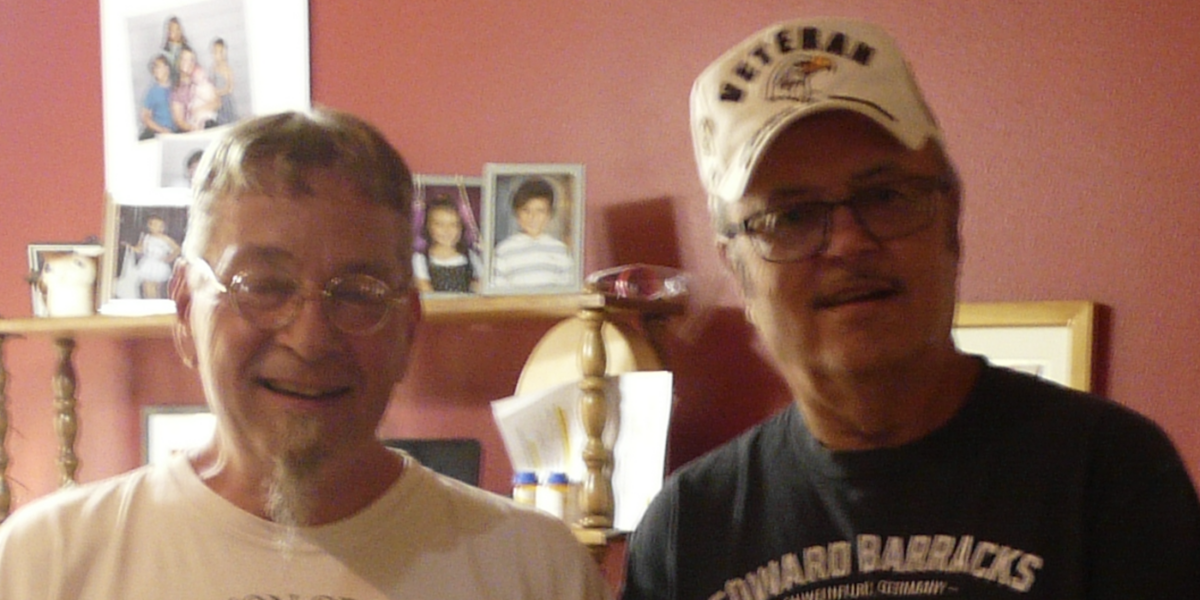 Today we’re joined by Budd Parker and Tim “Pete” Fairbanks. Budd is a Navy veteran and descendant of the White Earth Nation. He lives in Osage and was raised by grandparents who knew Civil War soldiers. He and his crew, including cousin Pete Fairbanks, dig through records. They clear forgotten cemeteries and set corrected headstones so families can hear their ancestors’ names again. Pete, an Army veteran, is also from the White Earth Nation, and he works with Budd to restore headstones and graveyards.
- Alex Kmett: Culture as Curriculum, Language as Medium
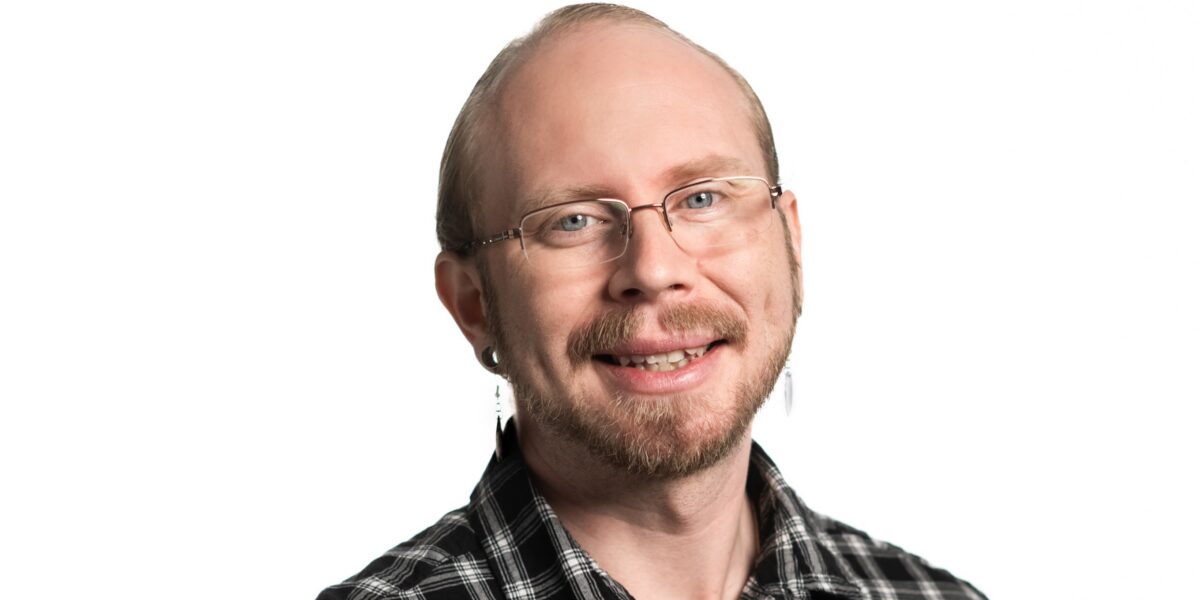 Today, we’re speaking with language revitalization leader and cultural educator Alex Kmett. Alex is a citizen of the Red Lake Nation and a descendant of the Leech Lake Band of Ojibwe. He’s a 2026 Bush Fellow and a co-founder of a charter school in Red Lake Nation.
 MNN Extended Interview: Jonathan Thunder