
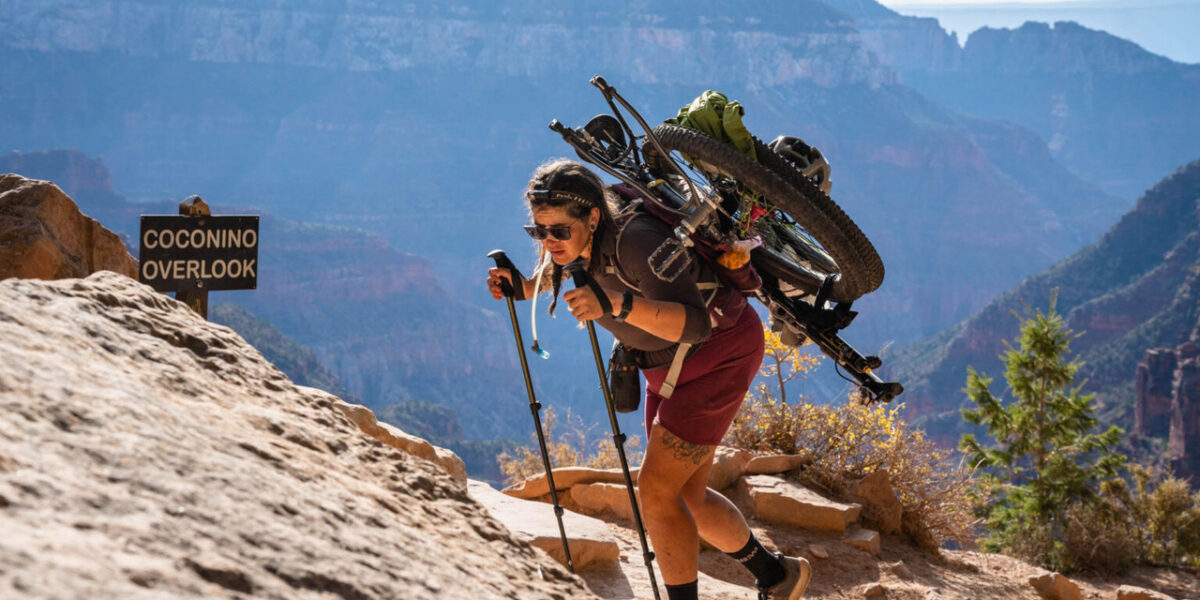
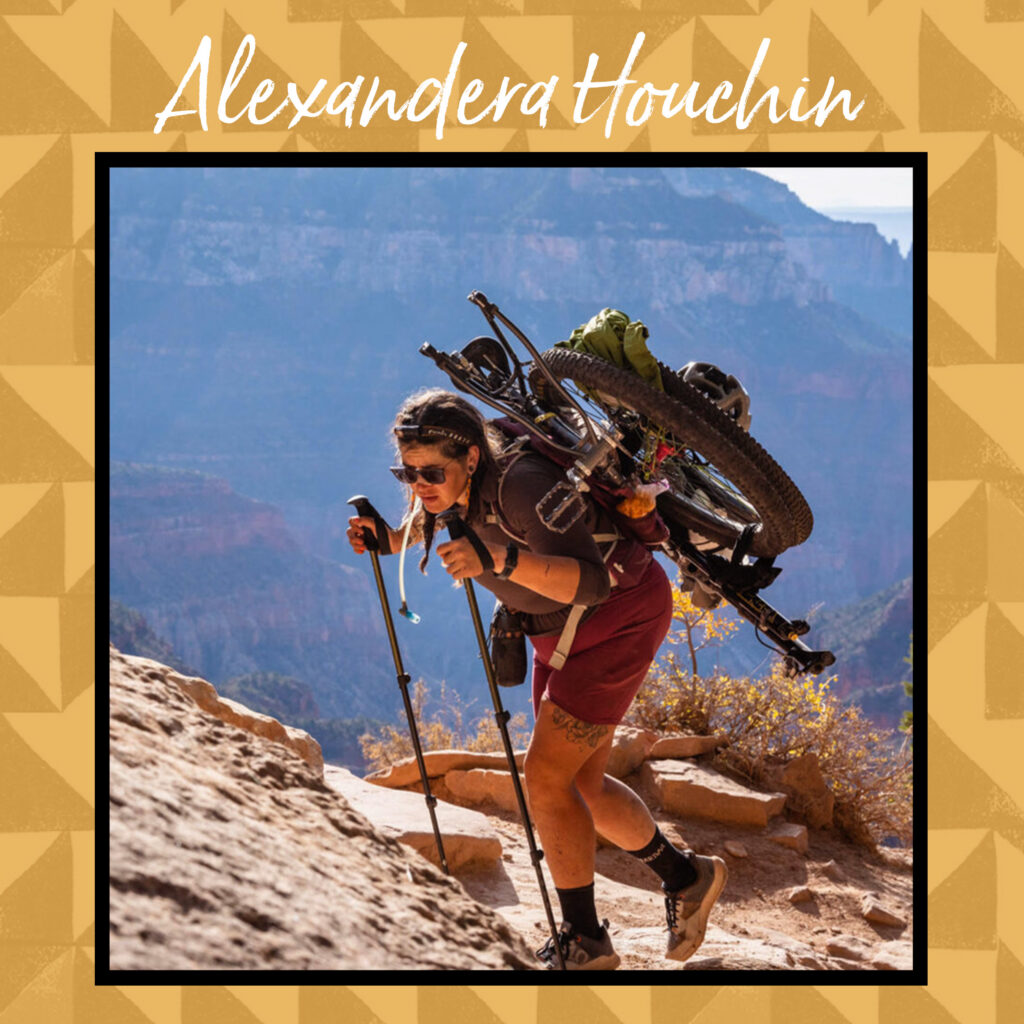
Today, we’re very excited to Welcome Alexandera Houchin to the Native Lights podcast. Alexandera is a citizen of the Fond du Lac Band of Lake Superior Chippewa (Ojibwe). She resides in her reservation community in northern Minnesota. She’s an ultra racer, bike packer, mountain biker, outdoor adventurer, storyteller, and writer. And she is currently working on her memoir for Penguin Random House and is the subject of a documentary.
Alexandera shares her story of growing up apart from her Ojibwe roots. Her mother had been adopted and spent the first 19 years of Alexandera’s life trying to track down her Native birth family.
As an adult, Alexandera got her first bike to replace a car that no longer worked. But soon, she was sucked into the exciting world of bike tours and ultra endurance events, multi-day races over hundreds of miles. She tells us how the long stretches of open road helped her cultivate healing and a place for ceremony. She also opens up about how her racing career led her to become a writer and how following her passion—along with setting records in some intense, grueling races—led to a documentary project and an unexpected invitation to write a book.
—–
Hosts / Producers: Leah Lemm
Editor: Britt Aamodt
Editorial support: Emily Krumberger
Mixing & mastering: Chris Harwood
Native Lights is produced by Minnesota Native News and AMPERS with support from the Minnesota Arts and Cultural Heritage Fund.
—–
For the latest episode drops and updates, follow us on social media.
Never miss a beat. Sign up for our email list to receive news, updates and content releases from AMPERS. ampers.org/about-ampers/staytuned/
This show is made possible by community support. Due to cuts in federal funding, the community radio you love is at risk. Your support is needed now more than ever. Donate now to power the community programs you love: ampers.org/fund
TRANSCRIPT
[Music: Native Lights Theme]
ALEXANDERA HOUCHIN: Some of the hardest and most painful things that I’ve ever experienced-they’re not like the fatigue that builds up over 20 days racing across the country-and it’s not like a cut or a bruise or a scrape. I think the most painful things I’ve ever experienced are moments when the person who I believed I was didn’t line up with the person that I was being in the world.
LEAH LEMM: Boozhoo, hello, welcome to Native Lights, where Indigenous voices shine. I’m your host Leah Lemm.
COLE PREMO: And I’m your other host, Cole Premo. Miigwech for joining us today. Native Lights is a podcast and radio show, but it’s a lot more than that. At its core, it’s a place for Native folks to tell their stories each and every week, we have captivating conversations with great guests from a whole lot of different backgrounds. Talking musician, artists, community leaders, doctors-you name it-they have a wonderful mixture of passions. So we talk to them about their gifts and how they share their gifts with the community, and it all centers around the big point of purpose in our lives. So let’s let’s get rocking, Leah. How you doing?
LEAH LEMM: I’m doing well. How about you? Are you getting out and enjoying the great outdoors?
COLE PREMO: Oh, you betcha! You betcha, Leah. We were unable to see each other this weekend, but we both enjoyed the Hinkley Powwow. You were there Saturday, I was there Sunday. That was really nice. It was the first time for Artem, our son, to hear the drum and all that good stuff. So we were excited for him. He was he was loving it.
LEAH LEMM: Yeah, I got a bit of a tan. Just my forehead was pretty sunny.
COLE PREMO: Mariya got sun kissed on her forehead as well. She was annoyed about it. So we were all worried about you know getting him all sunscreened up, but we didn’t even think about ourselves. But yeah, that was fun. That was fun seeing Dad up there in the MC stand.
LEAH LEMM: That’s right, doing his thing. Awesome. Well, how do you stay active in the summer? Tell me.
COLE PREMO: Funny you should ask, Leah. Yes, thank you. I’ve been going on long walks with the boy to kind of clear my head. I try to go longer and longer every time, and I’m actually looking into a bike trailer here soon, so I can tow him along.
LEAH LEMM: Oh.
COLE PREMO: And so I’m in the research phase of that right now. How about you, Leah?
LEAH LEMM: Out in the garden, watering the plants, chasing around the dog. I wish I was into cycling. Used to do it a bunch in Boston when I lived out there, but I haven’t done it so much nowadays. But gosh, it looks fast and fun and swift.
COLE PREMO: It’s a perfect segue into our episode, isn’t it?
LEAH LEMM: The perfect segue. Why don’t you bring us in?
COLE PREMO: Yes, today we’re very excited to speak with Alexandera Houchin. Alexandera is a citizen of the Fond du Lac Nation of the Lake Superior Ojibwe. She resides in her reservation community in northern Minnesota. She’s an ultra racer, bike packer, fixed gear bike enthusiast, outdoor adventurer, storyteller, and writer. And she is currently working on her memoir for Penguin Random House, so very excited to speak with her. Boozhoo, Alexandera, thank you for your time. We really appreciate you joining us today.
ALEXANDERA HOUCHIN: Sure.
COLE PREMO: All right, boozhoo Alexandera, could you start off by introducing yourself and just you know letting us know where you’re joining us from? You know, a little quick little background, that good stuff.
ALEXANDERA HOUCHIN: Totally, boozhoo. [Introduces herself in Ojibwe-mowin.] Alexandera Houchin is my English name. My Ojibwe name is Nenookaasiigwaneyaashiikwe or Kaasii for short, and I am a citizen over at Fond du Lac, and I guess I identify as a cyclist and a writer. Those are the two hats that at least fit right now.
LEAH LEMM: Well, we usually like to start off these conversations by asking our guests if there’s anything that you’re thinking about, nerding out about, or anything that’s just on the top of your mind.
ALEXANDERA HOUCHIN: I’m writing a book.
LEAH LEMM: Oh.
ALEXANDERA HOUCHIN: So storytelling in my life now shows up. We’re working on a documentary film about you know my life story told through the lens of the racing that I did, and that project. You know, we had a little trailer for it, and we were trying to like spread the word and see if we could find an investor, which took about a year of like asking literally anyone if they knew anybody who wanted to invest in a movie about a Native woman. It’s just like not really the climate for it right now.
LEAH LEMM: Okay.
ALEXANDERA HOUCHIN: So it was really difficult to find somebody, but we did. And through that process of putting the trailer out there, we were contacted by an editor with Penguin Random House, and he was a fan. And he was like, you know, if Alexandera wants to write a book, I’d love to work with her. It’s like ah, literally a life dream. So you know, a week after they connected with the director and producer of the film, I was connected with a fella named Andrew, who’s an editor with Penguin Random House, and he was like, “I’ve been reading your stuff for years. He’s an avid cyclist and lives in Minneapolis, but he’s like, “I know who you are. I’ve been following you for years. I think you’re an exceptional writer. If you’re interested in writing a book, I think now is the time to do it.” And I was pretty stoked to get that opportunity. So Penguin Random House offered me an advance, and that allowed me to, for the first time in a lot of years, not pursue any sponsor, any sponsorships, which is a huge relief because that, now that I’m distant from that world, I really don’t fit in the influencer sponsorship realm. So I’m stoked to not be doing that anymore. I started writing on January 9. So right now it’s like my full time. It’s like the only real work I have on my calendar. I was working some other contract work before. I have some contract work ramping up right now. So for the past few months, I’ve been maybe too much in it, and then spent a lot of time reading. I mean, I’m still reading in more than maybe I ever have in my adult life. Reading any memoir I can get my hands on. You know, I started at first, I was like, I’m gonna read all the Native memoirs I can read. So I pounded through a ton of Native memoirs first, and then just kind of memoirs in general, and some young adult storytelling because the memoir is a young adult memoir. Girls mostly. Or like that’s the main audience I’m writing for. I’m writing to like my past self is the lens I’m trying to write through. But oh, it’s really difficult. You know, I’ve written like 5,000- and 10,000- word pieces, but like never a cohesive book, and kind of teetering between this line of like, okay, I like to be exceptional. Ideally, I could be exceptional at everything that I do. Realistically, that’s not the case. So I’m toying with this like imposter syndrome of like, I want to write a really impactful book that people can read and see themselves in and connect with, and you know, my dreams would come true if one person who read the book decided to change their life.
COLE PREMO: You’re listening to Native Lights, where Indigenous voices shine. Native Lights is produced by Minnesota Native News and AMPERS with support from the Minnesota Arts and Cultural Heritage Fund. Today we’re speaking with Alexandera Houchin. Alexandera is a citizen of the Fond du Lac Nation of Lake Superior Ojibwe. She’s an ultra racer, bike packer, fixed gear bike enthusiast, outdoor adventurer, storyteller and writer. Let’s dive into the book a little bit more. What do you plan to provide the reader with, what are you looking for with this book?
ALEXANDERA HOUCHIN: Yeah. So the editor that contacted me is a children’s editor, and he asked me if I wanted to write a young adult memoir. To which I said, “Hell yeah!” The book is, I kind of got to pick who and what I am writing it for, and I’m writing it for you know, 12 to 19, 12 to 22-year-old Native women, because growing up I had never heard a story like mine, and a lot of my insecurity came from feeling like I wasn’t Native enough as a young girl. Because I have a what I thought at the time was a really non-traditional Indian story, but as I got older and kind of pieced together a lot of the puzzle, I learned that my story was a very Native story, and I want more people to have access to more Native stories. So, you know, my goal with the book is to be just one more Native person telling one more Native story in the sea of all the amazing Native authors that are out there. I’ve structured it in a pretty cool way. I think of having these partner essays where I introduce this idea of a significant life event, something that was really formative and shaped me as a person. And then having a contrasting partner essay, where I process some of that trauma or some of the lived story through the lens of competing in ultra endurance events. A lot of the space that ultra endurance events has cultivated for me is one of healing and ceremony and processing. So I definitely would not be where I am today without having this space. Through moving my body over vast landscapes over days, you get a lot of time to think.
COLE PREMO: Let me know if I’m connecting the dots in an incorrect manner, but I read you know a decent amount about your background where you would join these ultra races and you wouldn’t see anybody who looked like you. Not a whole lot of Native representation. I saw that you wrote in one of your bios that you envision a world where you’d see more Natives in that space. Is this book, you know, for young adults kind of pushing towards that goal, making it more of a common thing, or just sharing your story and hoping to inspire more people? I’m just curious about that.
ALEXANDERA HOUCHIN: Yeah, you know, that’s a really great question. I think I’m basically writing to a younger me. It’s the only experience I can really, truly, completely understand. And just thinking about you know times are definitely a little bit different now. The access to information into different narratives and stories, and seeing people who look more like you is a little bit easier because of social media. But when I was growing up, I just didn’t have any Native people around me. Like my mom was adopted in the 1970s off the reservation by a non-Native couple, and she grew up, she had a really hard, really rough life, and super disconnected from her culture. Despite the Indian Child Welfare Act (ICWA) being enacted that was supposed to work retroactively to allow her to identify her tribal affiliation, she kept coming up against hurdles, where her birth certificates, etc. all the information was redacted. So, it took her, I think I got enrolled when I was 19, and she said she started looking for her birth family when she was pregnant with me. So it took her about 20 years to find her biological parents. So all that to say is like we grew up really estranged from our tribal community, and further, any Native people we really didn’t spend any time in the company of Natives. So really, just writing to that younger version of me, and really holding on to the fact that no matter what it is that I do, and no matter how I do it, it’s always going to be in a Native way. Just because, you know, I am Native, no matter what. That chapter that I’m working on right now really has to do a lot with the dueling scarcity slash abundance mindset in relationship to my understanding of how to connect with other women. I grew up a lot in the ’90s and early 2000s, and I feel like the media really had a big impact on me of like comparing women. People magazines like who wore it better, who’s dressed best, like all of that kind of crap, really put me in this lens of a scarcity mindset of having this career in a male-dominated world. And I had done some welding and tool and die and machining before this, while also having worked in bikes, so most of my work has been in male-dominated worlds, and I was usually always the only the only girl around, and realizing that a lot of those formative girl relationships that I had as a younger person; those early relationships really formed how I related to and treated women in my 20s, and now in my 30s of being less insecure and realizing that it’s not a scarcity world just because one other person succeeds or beats me or whatnot, doesn’t really mean that she’s better than me or I’m better than her. It’s just that we both, you know, can learn and grow from each other. So right now, I’m really exploring that idea of like, I’m enough. Because younger me never felt enough. I always compared myself to other women and girls, and it was really detrimental to my emotional well-being.
LEAH LEMM: That is so powerful and so true. I know, like having social media now and having this look back as like, hey, this is what we were experiencing, you know, in the ’90s and early 2000s, with, like you said, you know, pitting celebrities against each other, who’s what size, like it-it was out of control.
ALEXANDERA HOUCHIN: Totally.
LEAH LEMM: And did we realize it at the time? I don’t know.
ALEXANDERA HOUCHIN: I-I think it was subconscious, you know, just like it’s boiled into your brain.
LEAH LEMM: I felt like I was just nodding along, like, oh, okay, yeah,
ALEXANDERA HOUCHIN: “She totally did wear it out.” Totally,
LEAH LEMM: Yeah, okay. I mean, “You’re the expert,” right?
ALEXANDERA HOUCHIN: Yeah, right.
LEAH LEMM: So yeah, that that is , that is great, and definitely needed. And I could definitely see a young Leah needing a story like that too, or a memoir like that.
ALEXANDERA HOUCHIN: Yeah.
LEAH LEMM: Wow, that’s really wonderful. You and you can work on bikes, I take it, like you get oily and dirty and all this stuff.
ALEXANDERA HOUCHIN: Yeah, I spent. Well, I have been out of bike shops for maybe five years now, but for I think I worked in bike shops for 10 or 12 years, in various roles, sales, mechanics. I really do like working on bikes. I really got started in the urban commuting slash like delivery. You know, doing it for work in that capacity. I moved to Arizona for my undergrad in 2016. I was an older student, but yeah, moved to Arizona after I did this ride called the Tour Divide in 2015, and I rode from Mexico to Canada over a summer, and it kind of changed my life. So moved to Tucson and then got into mountain biking there. I’d done a handful of bike tours in the years before that locally. You know, my very first bike tour was I rode from Madison all the way up to the reservation up here in Cloquet, and that was like a 400 mile. I think I did it over 10 days or something bike tour, just kind of, you know, it’s so fun to look back on now. Is like, oh, it was actually very symbolic. My very first bike tour was kind of this quest to go to the reservation and find out more about who I was and who my mom was and what our relationship was, and really asking, like, what kind of life do I want to live, and who do I want to be in this world? And it was like leaving my old behind, coming towards a new. And you know, now that I live here, now that I’ve been here for so long, like, oh, I didn’t really know that that was like the start of really the rest of my life.
LEAH LEMM: Cool.
COLE PREMO: So you’re also in the midst of getting funding for or working on, funding for a documentary that you guys have worked on. Could you talk more about the documentary and you know when you plan to release it or hope to release it?
ALEXANDERA HOUCHIN: Well, the world of making documentary films is not very straightforward to me, and has kind of been this really long, long-winded path, I guess, to get to where we are today. In 2018, I won the Tour Divide. It was this, you know, that tour that I went on. It was a 2700-mile bike race across the country, and I won the women’s race, totally unsuspecting. Had no idea that I had that in me. I just was trying to do the thing as fast as I could, and at that time when I started writing about cycling, there just weren’t really a ton of people writing like the way that I was writing. And from my perspective, I’m like a pretty non-traditional person in the sport of cycling in general, and really started writing about my experience, that inner dialog stuff, about the hard things, the things that I was scared of, just like the self-doubt, just kind of this like fully authentic way. Well, then I went back to win the Tour Divide again in 2019, which kind of blew my mind. But in that, I had gotten so many more opportunities from sponsors, from journalists, from filmmakers. So many people were like, “Hey, we want to make a movie about you. Hey, we want to do a thing about you.” Just because you know it was a non-traditional story. I was totally the underdog. Totally surprised myself by winning. It was this kind of crazy, wild experience. And in 2019, I had been approached by a friend of a friend who was a filmmaker, and he was like, “Let’s make a documentary about your life.” And I was like, “Okay, let’s do it.” This was kind of like as I was coming up in my cycling career, as I started collecting wins and records under my belt, and we started kind of grassroots filming. He was just a solo guy. This was a passion project, and he like you know slept on my couch. We did a bunch of interviews, and then nothing really happened with that. So we have a bunch of footage from that. Fast forward to I think it was 2021. I was an alternate. I was the backup for this Red Bull project, and one of the women who was invited ended up backing out, and I got like a last-minute opportunity to go. That was when I was working for the Fond du Lac Band for one of my fellowships, and I remember talking to my superior and being like, “I kind of feel like if I don’t go on this trip, I’m missing the opportunity of a lifetime.” Got the two weeks off, flew to Idaho to do this Red Bull project with an acquaintance. Well, on that bike trip, I met this guy named Corey Rich, and he is a photographer and filmmaker with really heavy connections to the film world, and I totally got bamboozled into a phone call with him, and he’s like, “Hey, if you ever want to make a documentary about your life, we’re interested, and we we’d love to do that.” And I was like, “Okay, cool.” So many people had asked me, and I just really wasn’t interested in making a film about myself. Well, it turned out that later that year in 2021, I decided that I was going to take a chance and go all in on the sponsor world and left all of my other employment and went full time into athlete world and I called this guy and I was like, “Hey, I’m gonna quit my job and I’m gonna be a professional athlete” and in 2023 I’m gonna do this race series, this 4,500 mile race series. Let’s make a movie. I finally acquired a sponsor. I got sponsored in a meaningful way by the Eastern Band of Cherokee Indians, and it was my first real big pro contract. And I got to race bikes. “Let’s make a documentary about how you went all in on this season of racing and were sponsored by an Indian nation.” He was all on board, and in 2023 they filmed my experience around the Triple Crown Challenge, which is three of the United States’ most, I guess, three of the United States’ oldest and most significant bike packing races, and I set out to try and get the overall single speed record for the race series, which I did not get, I did set a new women’s record, but I fell short of the overall record. And we filmed that story, and we’re hoping to tell bits of my life story through the lens of those races.
LEAH LEMM: You’re listening to Native Lights, where Indigenous voices shine. Native Lights is produced by Minnesota Native News and AMPERS with support from the Minnesota Arts and Cultural Heritage Fund. Today we’re speaking with Alexandera Houchin, citizen of the Fond du Lac Band. She’s a professional mountain bike athlete and is currently writing her memoir.
COLE PREMO: What gives you fuel to keep going? You’re doing a memoir. You did this documentary. You’re doing these daunting races. What gives you fuel to keep going?
ALEXANDERA HOUCHIN: You know, it’s really interesting. My boyfriend recently was talking. To me, and just recognizing that my name is Nenookaasiigwaneyaashiikwe, and like if you think about the hummingbird, it’s like you know just like bouncing all over the place, like doing eight million things, and there’s a lot of really special stories associated with the hummingbird too. And I kind of think some of that like is on the spirit level of just like who I am and like what wavelength I exist on. It’s kind of this like go go go, try to do as many impossible things as you can conjure up. So there’s a little bit of that, but then there’s also just like there’s this idea that I’ve been weaving into the book that I’m working on. That I think some of the hardest and most painful things that I’ve ever experienced are not like the ardor of competing day after day, or they’re not like the fatigue that builds up over 20 days racing across the country. And it’s not like a cut or a bruise or a scrape. I think the most painful things I’ve ever experienced are moments when the person who I believed I was didn’t line up with the person that I was being in the world, and being able to recognize that dissonance within myself has fueled me through a lot of really, really hard times of weakness. So you know, like when I’m out there competing and I want to quit, I think about the way I visualize how the race was going to go and what the outcome was going to be. And most of the time, the race never ever ends up, you know. I’m like, I’m gonna win. I’m gonna go so fast. I’m gonna set all the records and all the history of being the fastest person ever alive. That has never happened. That will never happen. But being able to be present, be in the experience, and just remembering that at least I’m trying to be that person. At least I’m trying to be the best version of myself, and that is better than being somebody I don’t even know who I am. So…
[Music: Native Lights Theme]
LEAH LEMM: Wow, Alexandera Houchin, cyclist, bike packer, memoirist, write. Just so lovely to hear her talk about her experience.
COLE PREMO: My legs hurt just even thinking about it all, thousands of miles, and you can tell she’s got a lot of resolve, and I’m glad she’s going to be bringing some of that inspiration to young readers. So miigwech to our guest Alexandera Houchin. I’m Cole Premo.
LEAH LEMM: And I’m Leah Lemm. Miigwech for listening. Giga-waabamin.
COLE PREMO: Giga-waabamin.
LEAH LEMM: You’re listening to Native Lights, where Indigenous voices shine. Native Lights is produced by Minnesota Native News and AMPERS with support from the Minnesota Arts and Cultural Heritage Fund.
Subscribe to Native Lights wherever you get your podcasts


More from Native Lights
- Budd Parker & Tim “Pete” Fairbanks: Restoring the Legacy of White Earth’s Forgotten Veterans
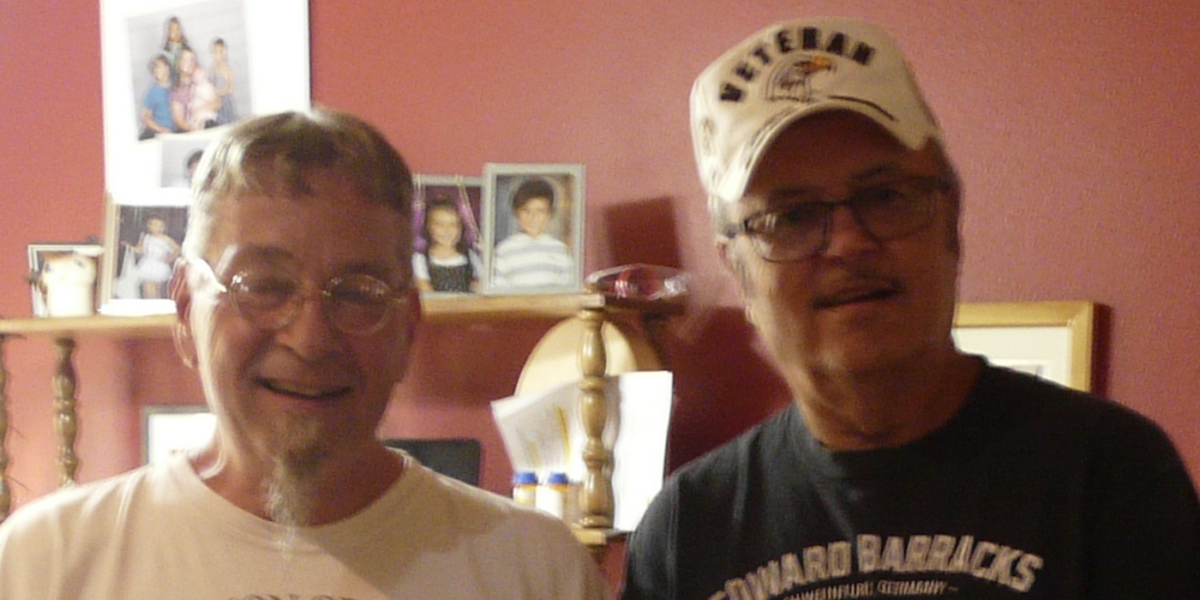 Today we’re joined by Budd Parker and Tim “Pete” Fairbanks. Budd is a Navy veteran and descendant of the White Earth Nation. He lives in Osage and was raised by grandparents who knew Civil War soldiers. He and his crew, including cousin Pete Fairbanks, dig through records. They clear forgotten cemeteries and set corrected headstones so families can hear their ancestors’ names again. Pete is also from the White Earth Nation, and he works with Budd to restore headstones and graveyards.
 - Alex Kmett: Culture as Curriculum, Language as Medium
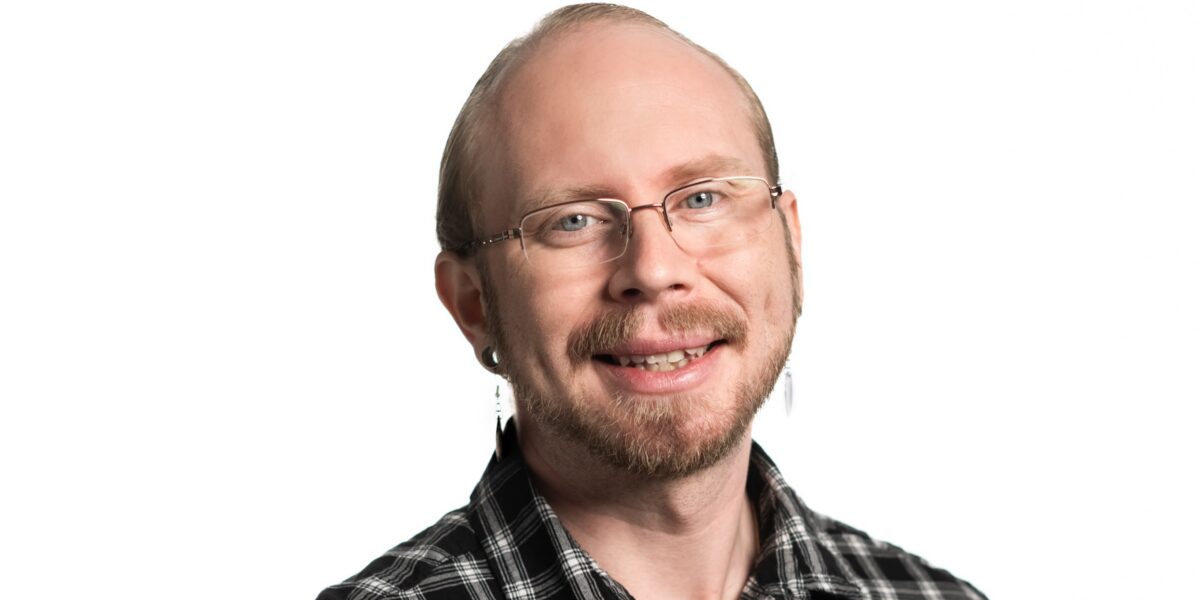 Today, we’re speaking with language revitalization leader and cultural educator Alex Kmett. Alex is a citizen of the Red Lake Nation and a descendant of the Leech Lake Band of Ojibwe. He’s a 2026 Bush Fellow and a co-founder of a charter school in Red Lake Nation.
 - Ryan Dixon: Making Friends with the Dakota Language
 Today, we’re speaking with Ryan Dixon. Ryan is an enrolled member of the Oglala Lakota Tribe from Pine Ridge in South Dakota and has spent over two decades immersed in the Lower Sioux community in southern Minnesota. He trained under First Language Dakota speakers, and he now teaches Dakota. An educator and Indigenous language activist, he co-founded a Dakota Immersion Head Start programming and works to keep the language alive for future generations.
 The Navigating Dakota Legacy Cruise, and Safeguarding Native Youth in a Digital Age