
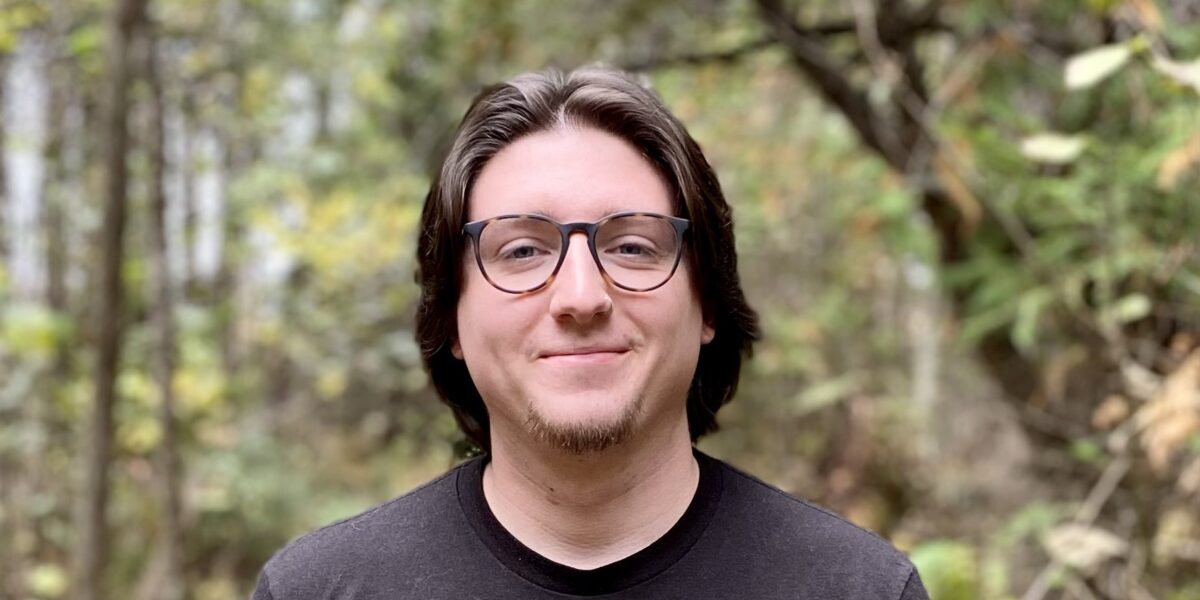
This week, we revisit Producer Emma Needham’s interview with Bazile Panek to learn more about his relationship to fire and what he thinks are the causes behind Minnesota’s increasing risk for devastating wildfires.
Executive Producer: Travis Zimmerman
Producer: Emma Needham
Anchor: Marie Rock
Editorial support: Victor Palomino, Emily Krumberger
Mixing & mastering: Chris Harwood
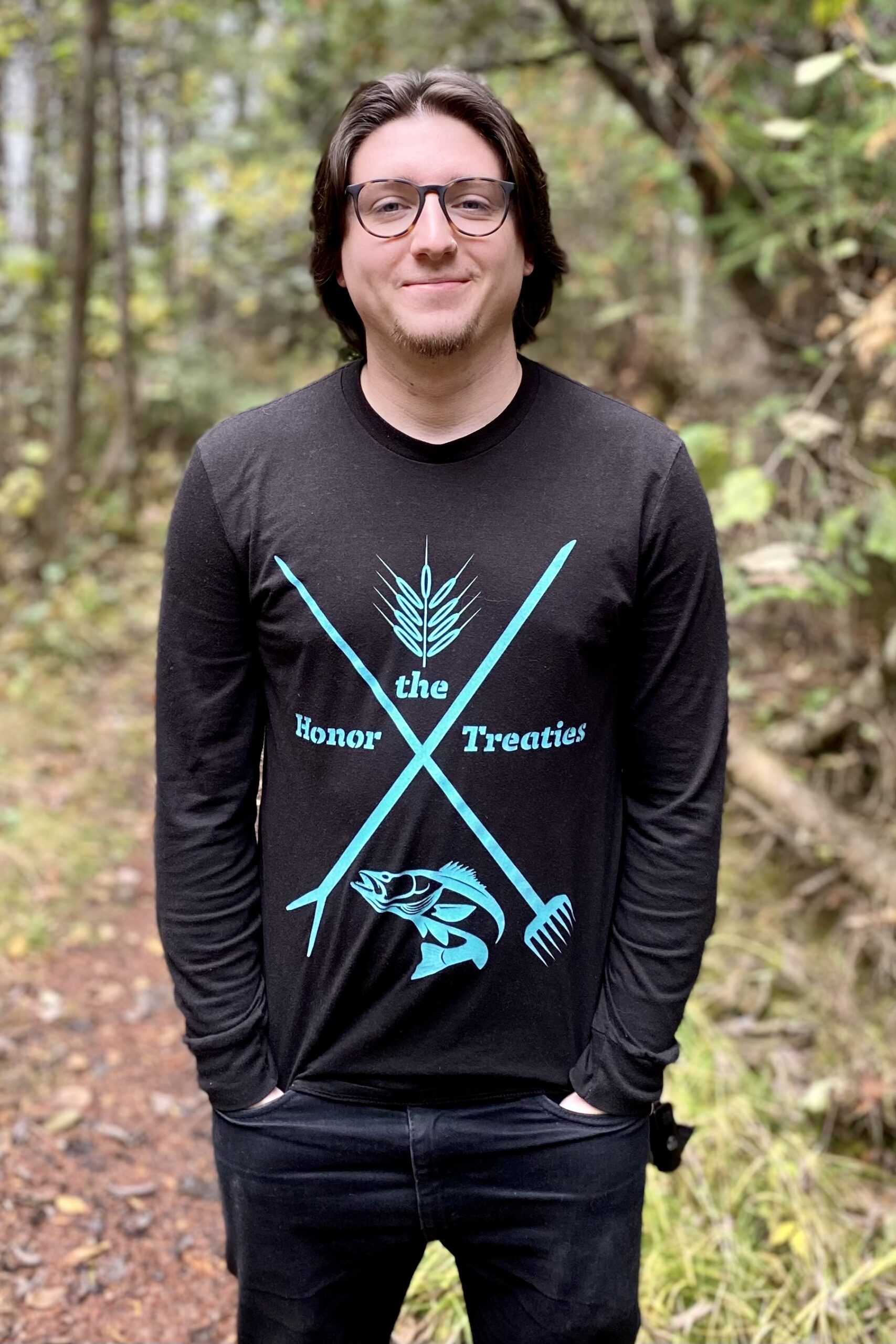
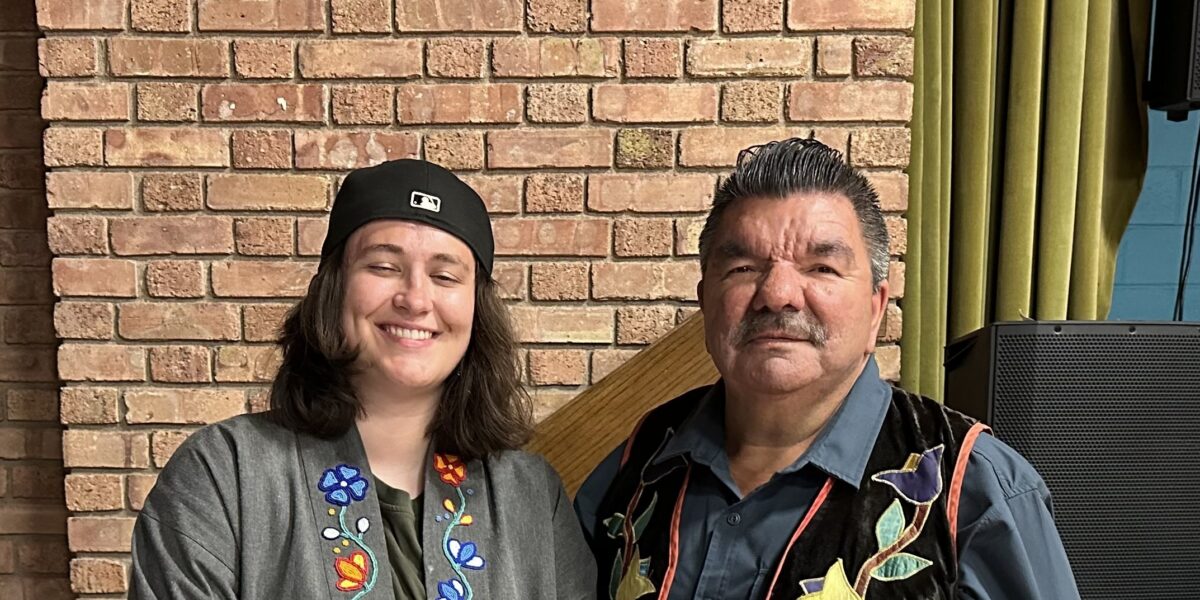
Image: Bazile Minogiizhigabo Panek [credit: Bazile Minogiizhigabo Panek]
—–
For the latest episode drops and updates, follow us on social media.
Never miss a beat. Sign up for our email list to receive news, updates and content releases from AMPERS. ampers.org/about-ampers/staytuned/
This show is made possible by community support. Due to cuts in federal funding, the community radio you love is at risk. Your support is needed now more than ever. Donate now to power the community programs you love: ampers.org/fund
TRANSCRIPT
[Minnesota Native News theme]
Marie Rock: You’re listening to Minnesota Native News, I’m Marie Rock. This week, we revisit Producer Emma Needham’s interview with Bazile Panek to learn more about his relationship to fire and what he thinks are the causes behind Minnesota’s increasing risk for devastating wildfires.
Bazile Minogiizhigabo Panek: My name is Bazile Minogiizhigabo Panek. I come from the Red Cliff Band of Lake Superior Chippewa. I’m currently the research coordinator for a project that is bringing people together to discuss cultural fire. I was born into the world of fire. My dad has been a wildland firefighter and a fire practitioner for around 20 years and then my mom just recently became a researcher of fire and a student of fire. So I think I was born into it. I also have been learning about my love for fire as a tool of our ancestors and as a tool of the people today, how we can help the land. with fire. In turn, the land will help us.
Emma Needham: What do you think that listeners need to know about the work that you’re doing about fire in Minnesota and Indigenous people’s relationship with it?
Bazile Minogiizhigabo Panek: Yeah, we received funding from the National Science Foundation to host what we’re calling Fireside Conversations. So we’re gathering within tribal communities in Minnesota, Wisconsin, and Michigan to literally sit around a fire, sit around a campfire to discuss our ancestors’ use of fire, to discuss fire usage today, to discuss fire as a cultural thing, as a spiritual being. People should recognize that indigenous peoples have had a relationship with fire since time immemorial. We’re using fire to decrease the amount of burnable materials within a forest, which can build up and have a highly intense wildfire. So, we’re kind of cleaning the forest floor with fire. There are opportunities to use fire to help the landscapes. Some elders are even saying that fire surrounding Manoomin or wild rice lakes can help to give a nitrogen boost in those lakes to help support the growth of wild rice. So, I think it’s kind of a thinking that fire and water are opposite, but they both need to be a part of the conversation. I’ve also learned that there is a motivation to return fire to our land. People get really excited when we have these conversations.
Emma Needham: I heard that Minnesota’s next on the list of states that could be experiencing really intense wildfires.
Bazile Minogiizhigabo Panek: There are numerous factors that are causing these intense wildfires. One is obviously climate change. The second is our past mismanagement of the lands, not using fire as a tool to decrease the burnable materials within these forests. These forests haven’t seen fires for generations, for sometimes up to 100 years, and that has caused some great increases in burnable materials. So, when that forest does light up with no treatment to decrease some of those fuels, it’s going to be intense. That’s something to recognize, our mismanagement of the landscapes are causing a lot of fuel to be added to these intense wildfires. I recognize that there is a lot of trauma associated with fire due to the wildfires that are happening or even due to the, I would say, propaganda that we’ve been fed, that all fires are bad. That has been intentional. The origins of it come from wanting to protect the timber harvest and protect the profits of corporations which started that propaganda of anti-fire. So, I recognize that there is some healing to do with fire as a being and that if we learn more about fire and the relationship that indigenous peoples have had with it, we can begin to heal our relationship with it.
Marie Rock: That’s all for this week’s episode. Join us next time for more voices and stories that inform, uplift, and shape our communities.
[Music: Minnesota Native News Theme]
Marie Rock: Minnesota Native News is produced by AMPERS, Minnesota’s Community Radio Stations, made possible by funding from the Minnesota Arts and Cultural Heritage Fund and the citizens of Minnesota.
More from Minnesota Native News
- Day of Remembrance Honoring Boarding School Survivors, and Bowwow Powwow on Stage
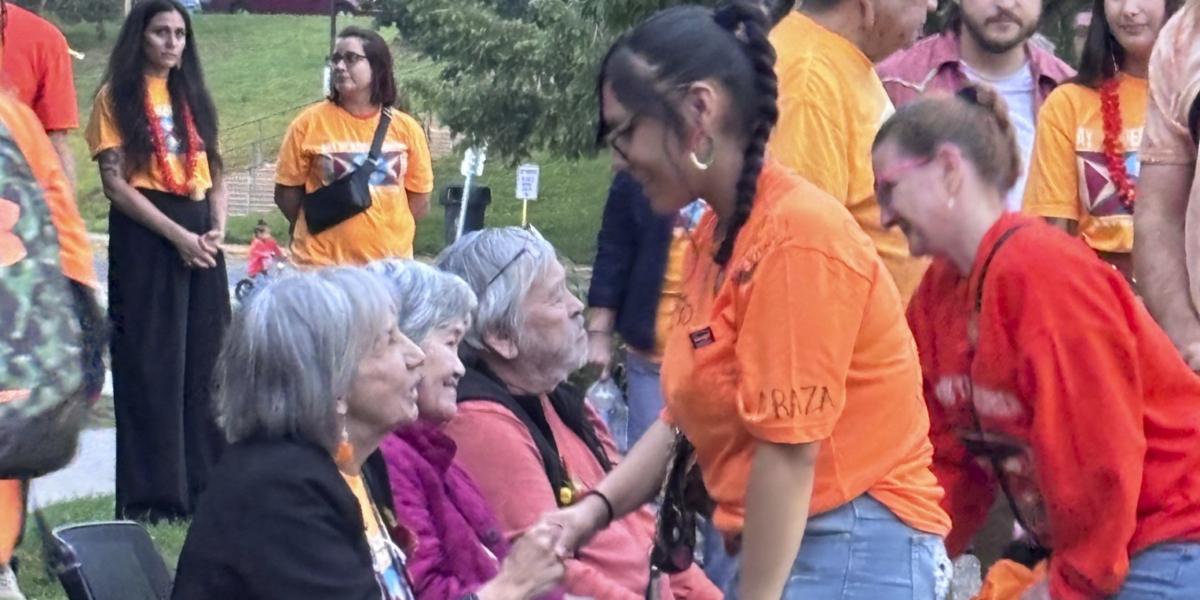 This week, the community gathers to honor boarding school survivors and a popular children’s book debuts as a play.
 - MNN Extended Interview: Bryan Bosto
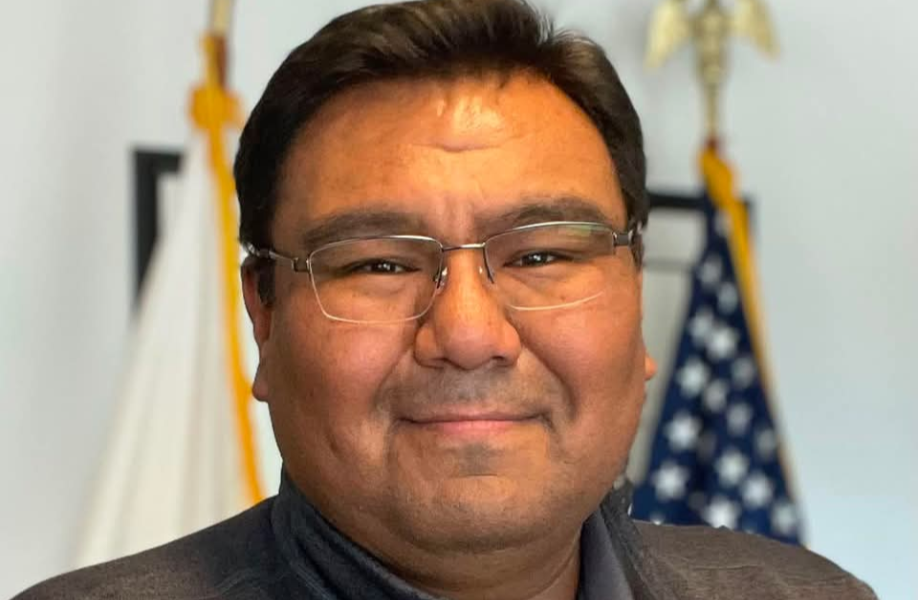 This week, we revisit producer Emma Needham’s interview with Bryan Bosto, who was recently inducted into the Minnesota Lacrosse Hall of Fame for the work he has done in growing the game in Native communities.
 - Dagwaagin Wiikonge’ (Fall Feast) at AICHO, and the New President at Leech Lake Tribal College
 This week, we visit a Fall Feast in Duluth, and we meet the new President of Leech Lake Tribal College.
Subscribe to Minnesota Native News in your favorite podcast app


 Alexandera Houchin: Life on Two Wheels