
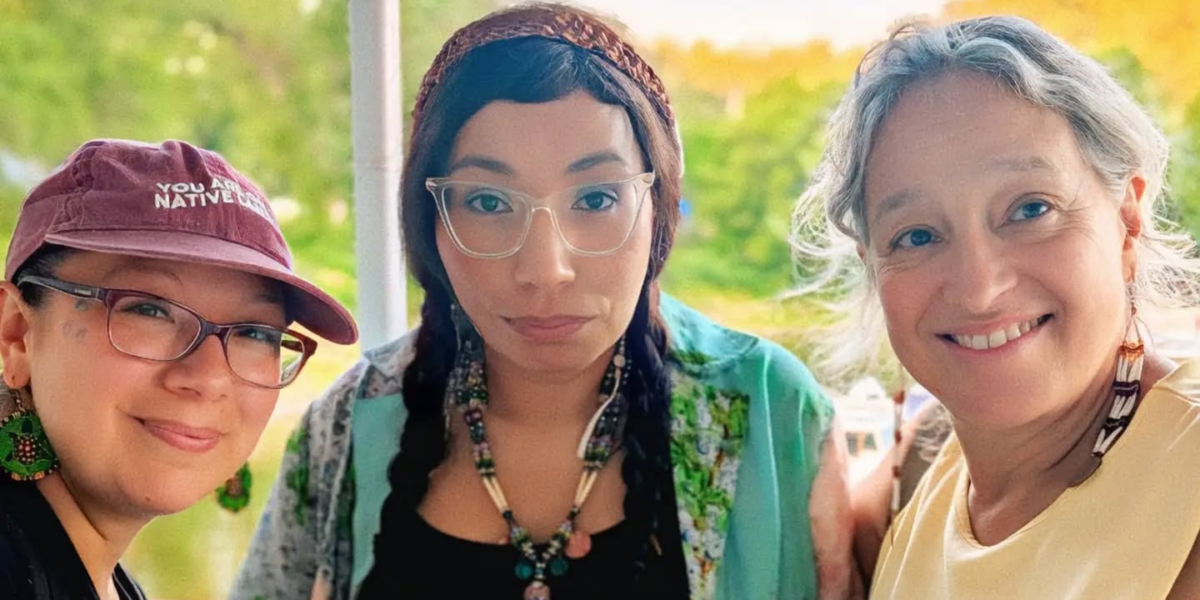
This week, we learn more about a Mississippi River cruise that educates guests about Dakota history, and we hear from a concerned parent about the impact that screen time is having on Native children.
Executive Producer: Travis Zimmerman
Producers: Laurie Stern and Deanna StandingCloud
Anchor: Marie Rock
Editorial support: Victor Palomino, Emily Krumberger
Mixing & mastering: Chris Harwood
—–
For the latest episode drops and updates, follow us on social media.
Never miss a beat. Sign up for our email list to receive news, updates and content releases from AMPERS. ampers.org/about-ampers/staytuned/
This show is made possible by community support. Due to cuts in federal funding, the community radio you love is at risk. Your support is needed now more than ever. Donate now to power the community programs you love: ampers.org/fund
TRANSCRIPT
[Minnesota Native News theme]
Marie Rock: For Minnesota Native News, I’m Marie Rock. This week we learn more about a Mississippi River cruise that educates its guests about Dakota history and hear from a concerned parent about the impact that screen time is having on Native children. First, reporter Laurie Stern recently hopped aboard for a ride on the Navigating Dakota Legacy Cruise.
Lauire Stern: About once a month, spring to fall, a riverboat carries several dozen passengers on a trip from Watergate Marina in St. Paul through time and culture.
Marlena Myles: This was the original way of seeing the land. It’s like our interstate, our 35W, our 94, but we don’t have to do construction every summer.
Laurie Stern: They’re called Navigating Dakota Legacy Cruises, and they have their own origin story. About 4 years ago, Marlena Myles was taking a similar riverboat tour when the guide made it sound like Native people were all gone.
Marlena Myles: When he got to the point where we’re downtown St. Paul, and he said that, you know, Little Crow’s gone, all the native people are gone, and I’m like, I literally live like a mile from my people’s village. Like, we’re still here.
Laurie Stern: She spoke up. and Minneapolis Community Education stepped in. Marlena recruited two other Dakota women to help lead the tours, Fern Renville and Blue Hummingbird Woman. Together, they explain how this part of the river has shaped the Dakota view of the world for thousands of years.
Marlena Myles: All people in Minnesota, besides Dakota people and some of our linguistic relatives, everyone else has a migration story, but we have a creation story. So, we didn’t migrate here, even Ojibwe people migrated here from the East Coast.
Laurie Stern: Passengers learn about Kaposia, the Dakota village that was here before colonization. They learn how native plants are used as medicine, and they even practice greeting an eagle.
Blue Hummingbird Woman: Wanbdi, Wanbdi!
Laurie Stern: This is Blue Hummingbird Woman.
Blue Hummingbird Woman: La-La-La-La Shrill Whistle. That lets him know that I’m his relative. Feel free to do it as well.
Laurie Stern: The guides don’t work from a script. Instead, they read the room and the river. And they tell stories from their own families and experiences. The Navigating Dakota Legacy Tours go through October. You can sign up through Minneapolis Community Education. For Minnesota Native News, I’m Laurie Stern.
Marie Rock: Next, reporter Deanna StandingCloud talks to a Native parent about an IndigeFit report that looked at the effects screen time is having on Native youth.
Deanna StandingCloud: IndigeFit Kids, a Shakopee Mdewakanton Sioux Community Initiative to improve the physical and mental health of Native youth in Minnesota, partnered with LiveMore ScreenLess, an organization promoting digital well-being for young people, to publish a report on the effects of technology on native youth. The report found that 90% of responses say that digital media is a huge issue for Native youth.
Allison Waukau: You have to use technology. You can’t let it use you. I think that’s the most important thing that we have to teach our kids.
Deanna StandingCloud: That’s Native parent and Tribal Liaison and Native Relations Coordinator for the Metropolitan Council, Allison Waukau, a citizen of the Menominee Nation and also Dine. She implements technology as a tool to be used to enhance her son’s learning.
Allison Waukau: We need to connect with one another as well. Like share out, oh, you know what, I found this and it’s a great app or don’t use this, it was a really bad experience for us. And how can we support the kiddos and connecting through technology and in a safe way?
Deanna StandingCloud: According to findings in the digital well-being of Minnesota Native youth, engaging in social media has a significant impact on mental health, sleep patterns and performance in school. Nearly half of the 5th grade students reported depression symptoms.
Allison Waukau: I definitely have to be aware and make it so that he has physical activities.
Deanna StandingCloud: Recently, social media warning labels have been proposed as Minnesota law, similar to those on tobacco products to inform the public that excessive social media use is harmful to children under the age of 16. Implementation of this law is delayed, but it starts a conversation families.
Allison Waukau: You know, these things exist in teaching our kids to not take everything that people say at face value.
Deanna StandingCloud: For Minnesota Native News, I’m Deanna StandingCloud.
[Music: Minnesota Native News Theme]
Marie Rock: Minnesota Native News is produced by AMPERS, Minnesota’s Community Radio Stations, made possible by funding from the Minnesota Arts and Cultural Heritage Fund and the citizens of Minnesota.
More from Minnesota Native News
- MNN Extended Interview: Matthew Rantanen
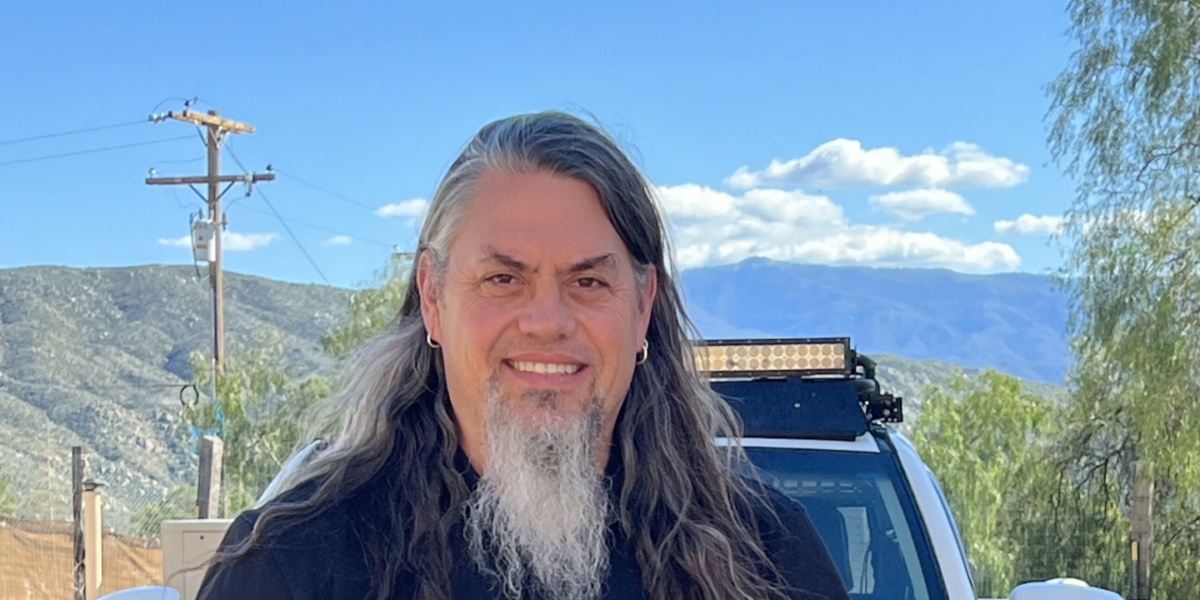 This week we look back at an interview producer Emma Needham did with Matthew Rantanen, descendant of the Cree Nation, about the work he is doing to bridge the digital divide in tribal lands.
 - Day of Remembrance Honoring Boarding School Survivors, and Bowwow Powwow on Stage
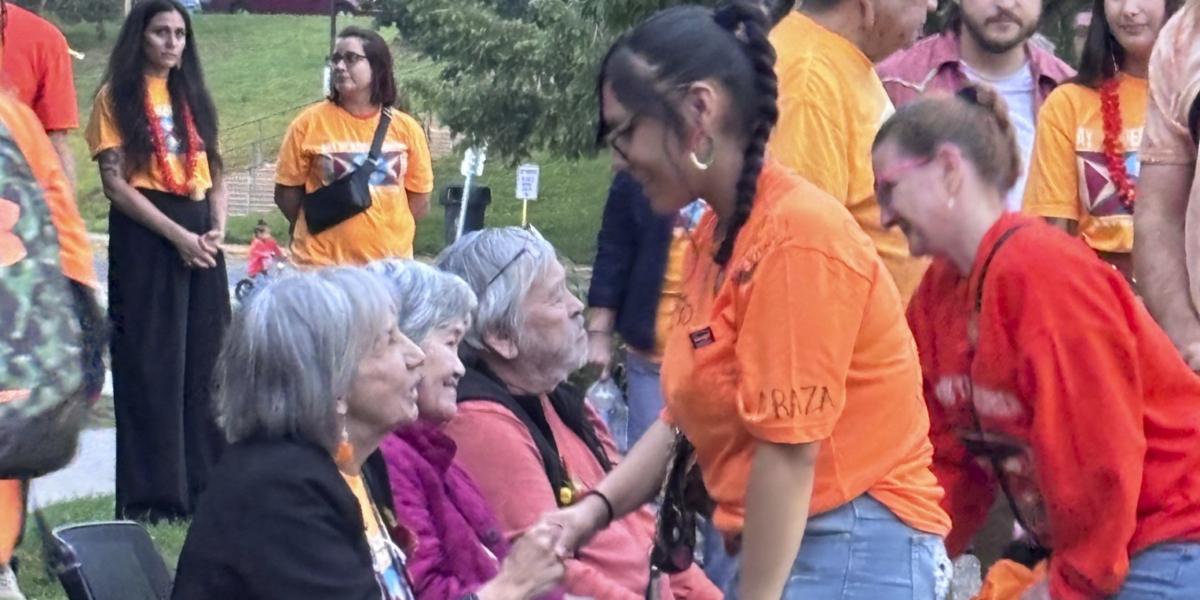 This week, the community gathers to honor boarding school survivors and a popular children’s book debuts as a play.
 - MNN Extended Interview: Bryan Bosto
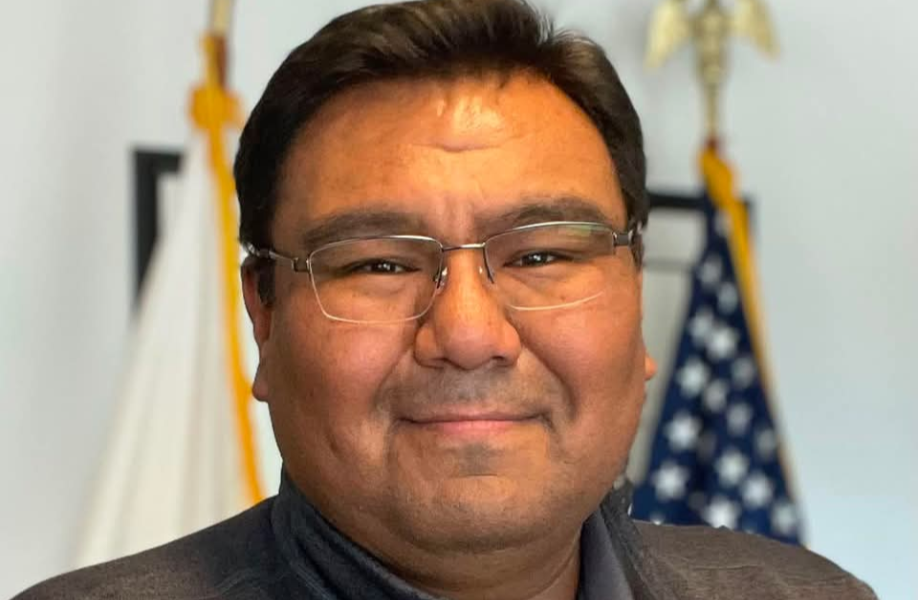 This week, we revisit producer Emma Needham’s interview with Bryan Bosto, who was recently inducted into the Minnesota Lacrosse Hall of Fame for the work he has done in growing the game in Native communities.
Subscribe to Minnesota Native News in your favorite podcast app


 History Behind the Cloquet Forestry Center Transfer and Changes to Dog Park at Coldwater Spring