


This week, an extended conversation with Antony Stately, President and Executive Office of the Native American Community Clinic in South Minneapolis, about providing care amidst federal budget cuts.
—–
Producer: Emma Needham
Anchor: Marie Rock
Editor: Britt Aamodt, Victor Palomino
Mixing & mastering: Chris Harwood
Editorial support: Emily Krumberger Image Credit: Courtesy of Dr. Antony Stately
—–
For the latest episode drops and updates, follow us on social media.
Never miss a beat. Sign up for our email list to receive news, updates and content releases from AMPERS. ampers.org/about-ampers/staytuned/
This show is made possible by community support. Due to cuts in federal funding, the community radio you love is at risk. Your support is needed now more than ever. Donate now to power the community programs you love: ampers.org/fund
TRANSCRIPT
[Music: Minnesota Native News Theme]
Marie Rock [ANCHOR]: You’re listening to Minnesota Native News. I’m Marie Rock.
This week, producer Emma Needham brings us an extended conversation with Antony Stately, president and CEO of the Native American Community Clinic in South Minneapolis, about his work providing care to the Native community.
Antony Stately: My name is Antony Stately. I’m the executive officer and president of the Native American Community Clinic in South Minneapolis. We did experience some early cuts to some of grants that we had that impacted our ability to support one of our elders and residents, one of our elders in our traditional healing programs.
We had to let her go. Native people, Native women in South Minneapolis and across the state of Minnesota, they have some of the highest and poorest maternal and child health outcomes, some of the highest mortality rates. This is a program that was critically needed, so it’s disappointing.
I think about the sort of the willy-nilliness of decisions related to making cuts have had impact on organizations like mine and other non-profits and other organizations in healthcare all across the United States. There seems to be little thought put into it. To maintain program quality, it’s hard to maintain people in their roles, and it’s intended to make people uneasy, right? Staff are anxious, patients are anxious. Are we going to be able to pay for these things? It’s bad all the way around. We serve a very large number of Native American people in our community. 75 to 85 percent of our patients are Native. We have a very, actually very robust IHS-funded grant to address hepatitis C and HIV, the syndemic of that and other infectious diseases and STIs in our community. It’s a really critical program, and right now our funding remains in place for that.
There’s a lot of anxiety that people have in relationship to the discussions about what the administration may or may not do to cut Indian health services support. It will be impacted probably as well, not in the same way that an IHS-designated facility would be. I also want to take the moment here to sort of make people aware, like what we are paying for by cutting health care services and Medicare and Medicaid. Those decisions that they’re making is to be able to afford to give even deeper and longer tax breaks to the top one percent of the wealthiest people in the United States. We’re trading the health of a very large sector of the United States population and prioritizing the wealth of a very small number of people. Since Obama’s administration in the ACA and Medicaid expansion in Minnesota, the number of Native people who were uncovered for any healthcare insurance significantly dipped. Maybe 55% of Native people covered for health insurance in the State of Minnesota go up to like as high as 75-80%.
We know just from patient care and other healthcare research that people who are not insured don’t have health insurance. They’re going to put off their healthcare for longer periods of time. They won’t seek healthcare until something urgent arises. And so I think individually and in our families and in our communities and, you know, writ large as a society, when we have these conversations, we have to be really clear about what we’re trading But I think that Native people know the importance of health, well-being and balance and being in harmony with one another in harmony with the things that are around us and being in harmony with our mind, body and our spirits.
NACC and the other organizations like ours that are committed to providing healthcare services to the people who rely on this safety net, we’re going to continue to do this work until we can’t do it. We will find the resources to do it. I am making all of my decisions as the leader of this organization from a place of strength and courage. I’m not operating out of fear. I think about the things that our ancestors had to overcome and contend with. Our ancestors were hard. They gave up their blood, their sweat and their tears for us to get up for us to have the things that we have. I mean, the fight ain’t over yet.
Marie Rock: That’s all for this week’s episode. Join us next time for more voices and stories that inform, uplift and shape our communities right here on Minnesota Native News.
[Music: Minnesota Native News Theme]
Marie Rock: Minnesota Native News is produced by AMPERS: Diverse Radio for Minnesota’s Communities. Made possibly by funding from the Minnesota Arts and Cultural Heritage Fund and the citizens of Minnesota.
More from Minnesota Native News
- History Behind the Cloquet Forestry Center Transfer and Changes to Dog Park at Coldwater Spring
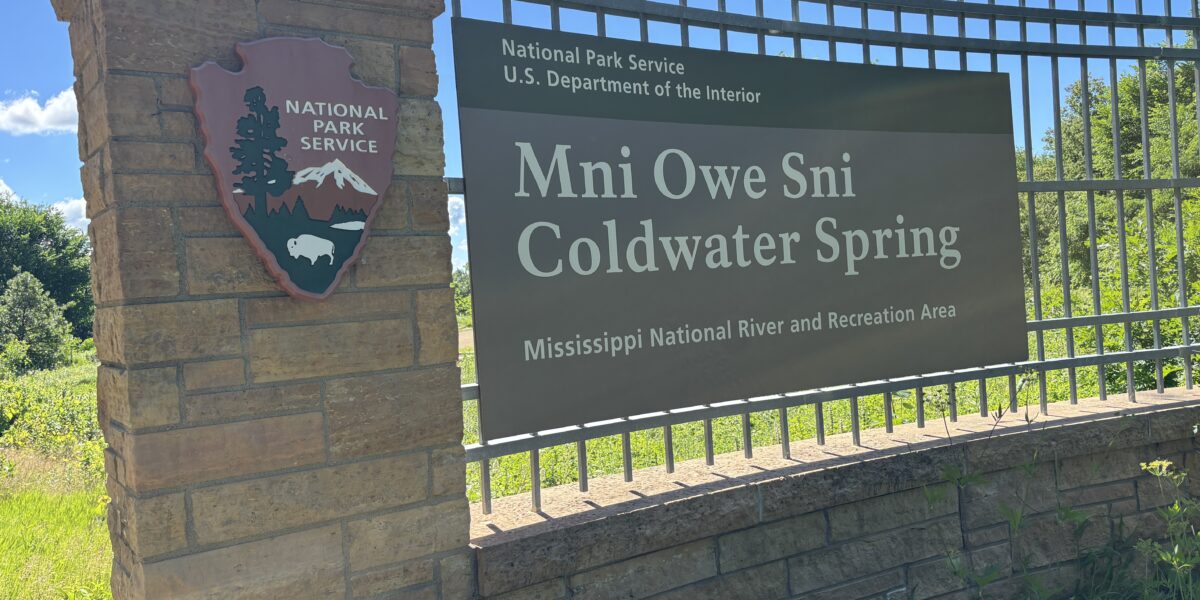 This week, we learn more about the history behind the unprecedented land transfer and the decision to close a popular Minneapolis park to off-leash dogs. This week, we learn more about the history behind the unprecedented land transfer and the decision to close a popular Minneapolis park to off-leash dogs. —– Executive Producer: Travis Zimmerman Producers: Chaz Wagner and Laurie Stern …
 - MNN Extended Interview: Gordon Jourdain
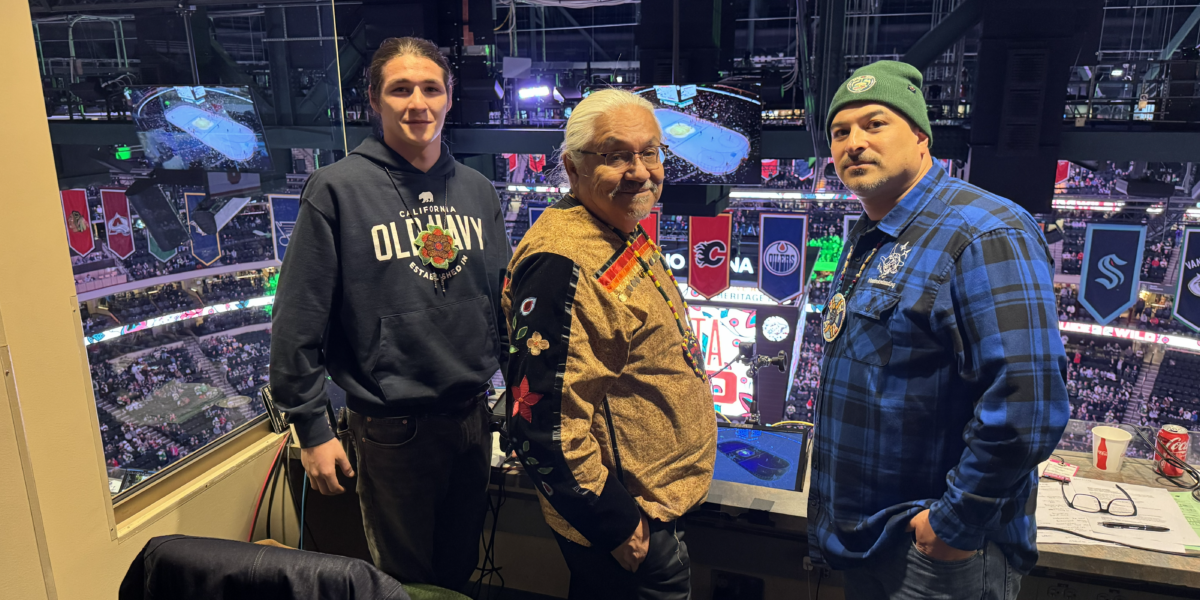 Gordon Jourdain shares how his love for the game of hockey led to his historic Ojibwe language broadcast of a Minnesota Wild game.
 - Chef Sean Sherman Opens New Restaurant; Makoce Ikikcupi Hosts Arts Festival in Granite Falls
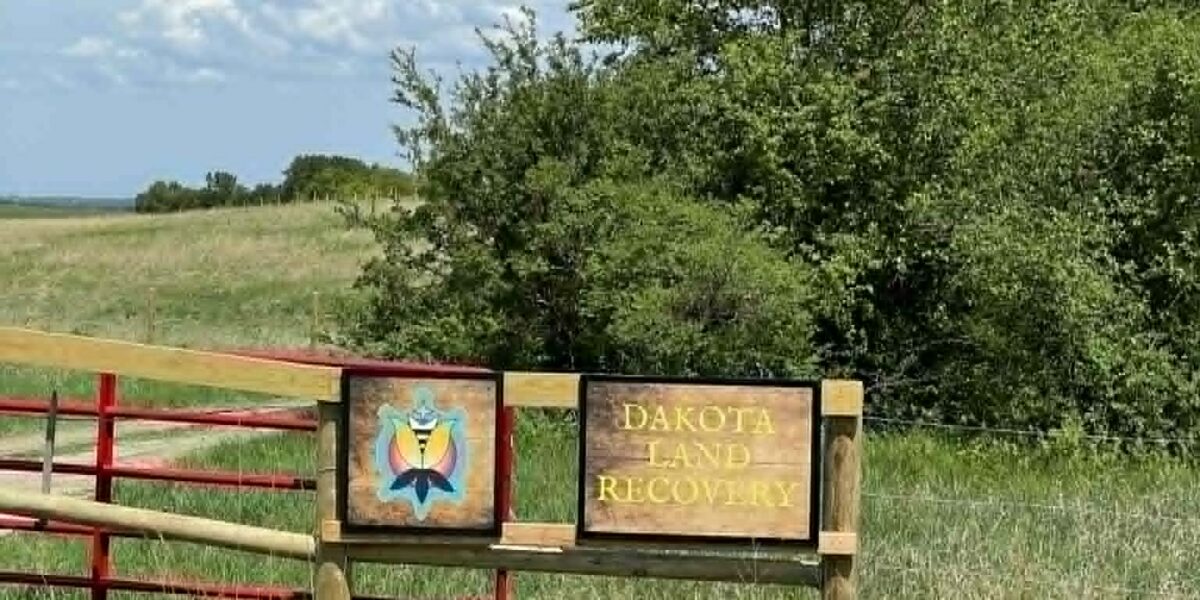 A new restaurant, Indigena by Owamni, opens in the Guthrie Theater and a Dakota arts festival takes place in Granite Falls.
Subscribe to Minnesota Native News in your favorite podcast app


 Tribal Response to Operation Metro Surge and Rock Ridge Schools’ Hockey Nights Broadcast in Ojibwe