
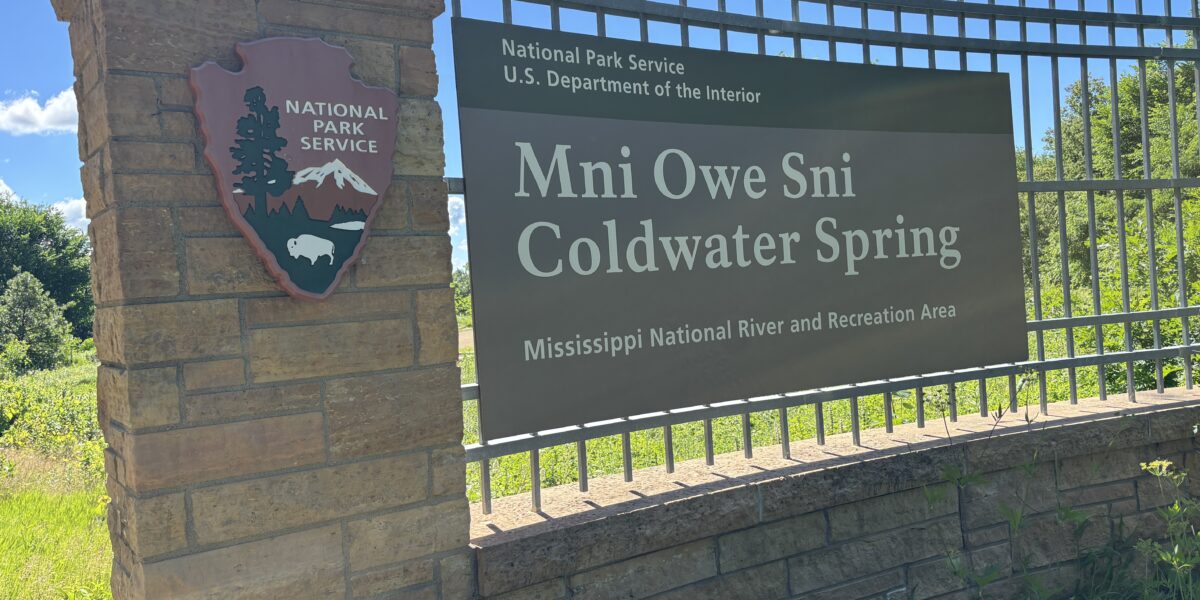
This week, we learn more about the history behind the unprecedented land transfer and the decision to close a popular Minneapolis park to off-leash dogs.
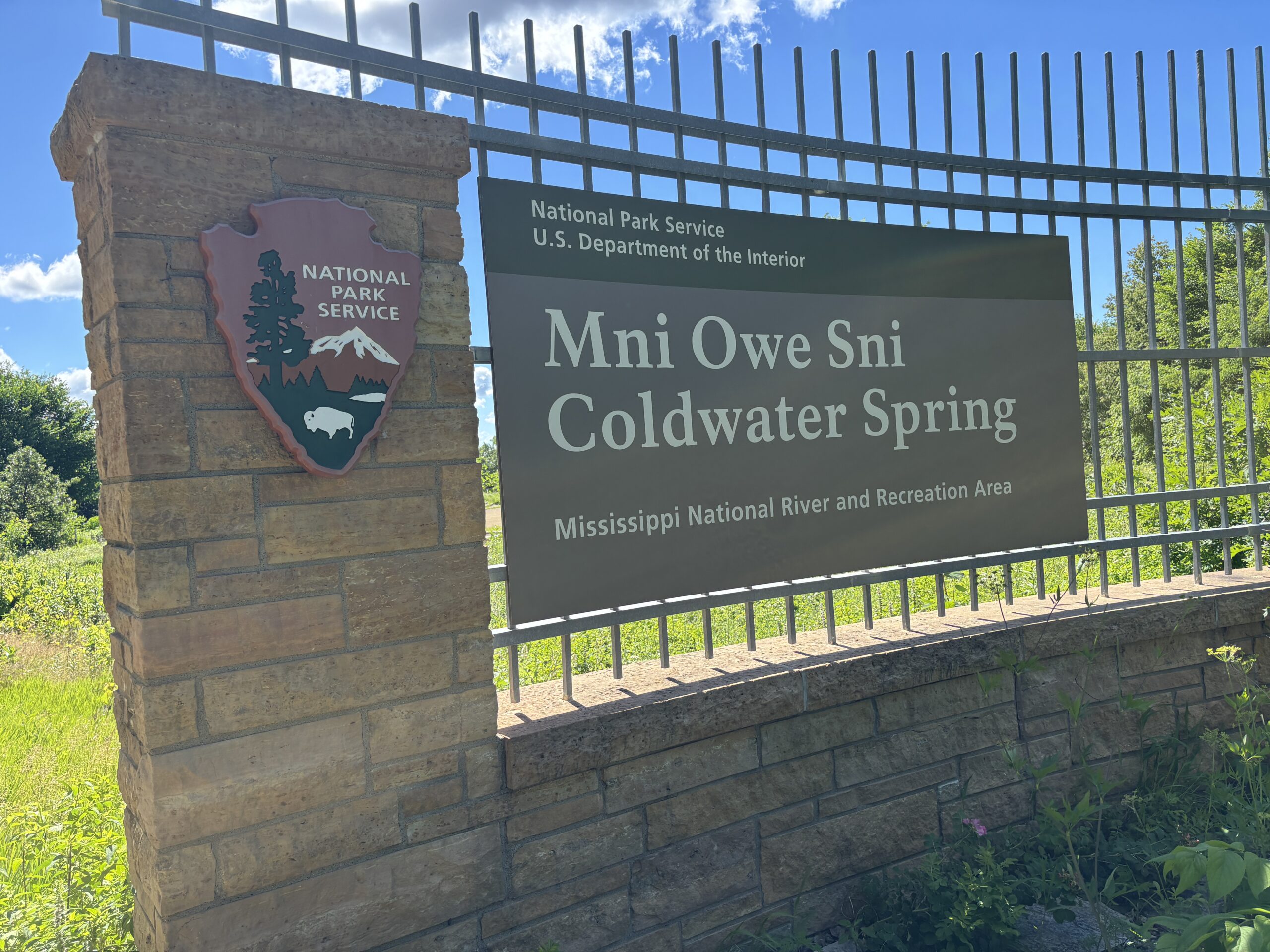
This week, we learn more about the history behind the unprecedented land transfer and the decision to close a popular Minneapolis park to off-leash dogs.
—–
Executive Producer: Travis Zimmerman
Producers: Chaz Wagner and Laurie Stern
Anchor: Marie Rock
Editorial support: Victor Palomino, Emily Krumberger
—–
For the latest episode drops and updates, follow us on social media.
Never miss a beat. Sign up for our email list to receive news, updates and content releases from AMPERS. ampers.org/about-ampers/staytuned/
This show is made possible by community support. Due to cuts in federal funding, the community radio you love is at risk. Your support is needed now more than ever. Donate now to power the community programs you love: ampers.org/fund
TRANSCRIPT
[Minnesota Native News theme]
Marie Rock: For Minnesota Native News, I’m Marie Rock. This week, we learn more about the history behind an unprecedented land transfer and the decision to close a popular Minneapolis park to off-leash dogs.
First, reporter Chaz Wagner talks with University of Minnesota’s Karen Diver.
Chaz Wagner: For more than 100 years, the University of Minnesota has operated the only research center property situated within a tribe tribal reservation boundary. Recently, the university made a historic step in transferring ownership of the 3,400-acre Cloquet Forestry Center back to the Fond du Lac Band of Lake Superior Chippewa. This agreement is the culmination of past efforts from tribal leaders and university officials.
Karen Diver: I don’t think that there has ever been a time where the Fond du Lac Band hasn’t wished to have these lands back and expressed it to the university.
Chaz Wagner: Karen Diver is the former Fond du Lac Band chairwoman and is currently the university’s senior advisor to the president for Native American Affairs.
Karen Diver: In the early part of the 2020s, the president of the university at that time actually was the first one that created like a tribal liaison. Fond du Lac, even at that time, was saying, you know, we consider this an egregious breach by the university that you acquired a part of our treaty reserved homelands. In 2020, the Minnesota Indian Affairs Council passed a resolution where all of the tribes in the state supported return of the forestry center.
Chaz Wagner: Karen says the university and band are excited about past efforts and hopefully will continue combining Western science with Ojibwe cultural traditions.
Karen Diver: The Cloquet Forestry Center, they are now working with Fond du Lac staff to look at fire as a forest management technique. The reciprocity really goes both ways where traditional ecological knowledge and forest management practices are informing. the Forest Center’s scope of research.
Chaz Wagner: The effects of this partnership reach beyond the university’s classroom and could offer lessons to benefit all of Minnesota’s communities from wildfire preparedness to long-term environmental stewardship.
Karen Diver: In this day and age, when we’re facing a lot of environmental challenges, I think people are seeing tribes as an essential part of some of the solutions around environmental concerns.
Chaz Wagner: In May, Governor Tim Walz signed a bonding bill that clears the way for the transfer. For Minnesota Native News, I’m Chaz Wagner.
Marie Rock: Next, reporter Laurie Stern attends a Minneapolis Park Board meeting about changes being made at a park that holds spiritual significance for Dakota people.
Laurie Stern: Mni Owe Sni, or Coldwater Spring, is a sacred place for indigenous people. Many tribes have gathered here to live and pray over millennia. This place is part of the Dakota origin story, near Bdote, the confluence of what colonizers named the Mississippi and Minnesota Rivers. The Minnehaha off-leash dog park is also here, but there are plans to close it by the end of the year. A lot of park users have weighed in on the issue, but for some, like Antonio here with his dog Venus, it’s news.
Laurie Stern: Make a rule about no more off-leash.
Antonio (Dog Park Patron): What? Why are they doing that?
Laurie Stern: The final vote to close the park came in mid-June after a wrenching Minneapolis Park Board meeting. Dozens of dog owners said the park was an important meeting place for them and their pets. But others testified the decision to close the park was long overdue. Bad River Band member and Indigenous activist Mike Forcia reminded commissioners and the public that the site is a burial ground for hundreds of Indigenous people who died after the U.S.-Dakota War.
Mike Forcia: Think of Bergen Belsen, Auschwitz, and Birkenau Auschwitz and Birkenau. Would you like to see a dog park in those places?
Laurie Stern: After an hour of testimony, the vote was 8 to 1 in favor of the resolution to close the park. First term Park Board Commissioner Jason Garcia said the decision was informed by the Park Board’s Native Advisory Committee.
Jason Garcia: So part of the reason I wrote the resolution the way I did was to say we need to set a timeline for this to stop being a dog park and just have it be regular park, which was a common ask from Dakota people.
Laurie Stern: Garcia said the park will probably close to off-leash use in early winter, where people can still bring their pets as long as they’re leashed. He said the change in permitting means city staff can start looking for a new off-leash park.
Jason Garcia: Areas that have water features, that have wooded areas, where dogs can run, not just like a small urban dog park.
Laurie Stern: The new rules will expand protection for Mni Owe_sni which government agencies increasingly recognize as a traditional cultural sacred site to be managed in partnership with tribes. For Minnesota Native News, I’m Lori Stern.
Marie Rock: Minnesota Native News is produced by AMPERS, Minnesota’s community radio stations, made possible by funding from the Minnesota Arts and Cultural Heritage Fund and the Citizens of Minnesota.
[Minnesota Native News theme]
More from Minnesota Native News
- MNN Extended Interview: Matthew Rantanen
 This week we look back at an interview producer Emma Needham did with Matthew Rantanen, descendant of the Cree Nation, about the work he is doing to bridge the digital divide in tribal lands.
 - Day of Remembrance Honoring Boarding School Survivors, and Bowwow Powwow on Stage
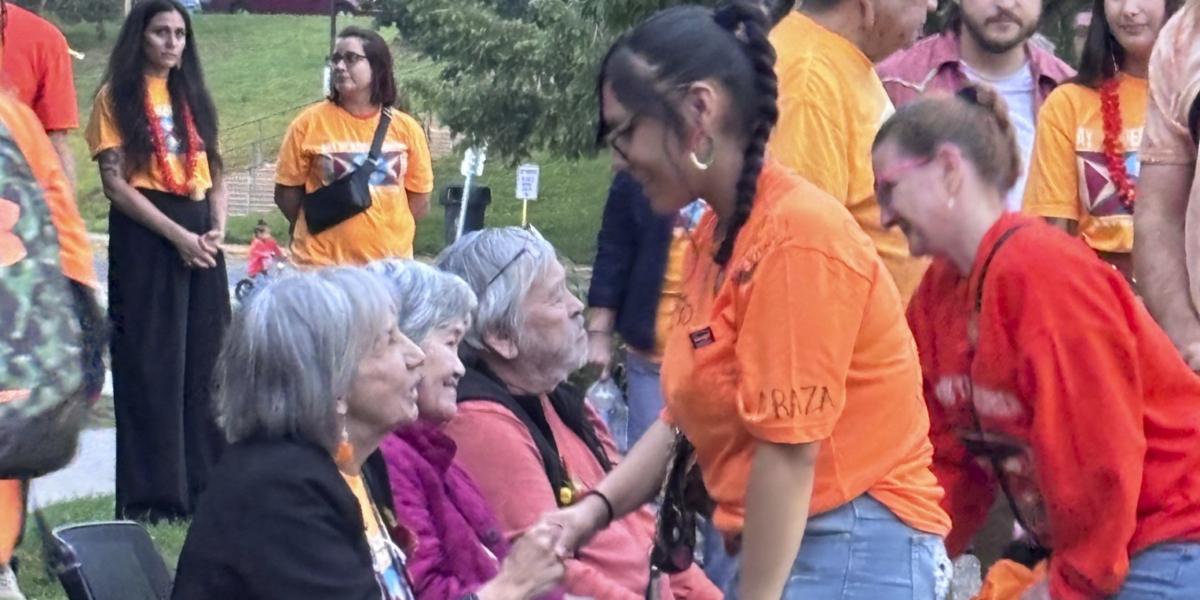 This week, the community gathers to honor boarding school survivors and a popular children’s book debuts as a play.
 - MNN Extended Interview: Bryan Bosto
 This week, we revisit producer Emma Needham’s interview with Bryan Bosto, who was recently inducted into the Minnesota Lacrosse Hall of Fame for the work he has done in growing the game in Native communities.
Subscribe to Minnesota Native News in your favorite podcast app


 MNN Extended Interview: Gordon Jourdain