


This week, how Tribes and the state’s Indigenous community are responding to the increased federal presence from Operation Metro Surge, and how a youth Hockey Night series is uplifting the Ojibwe language.
—–
Producers: Xan Holston, Deanna StandingCloud, Chaz Wagner
Editor: Victor Palomino
Editorial support: Emily Krumberger
Anchor: Marie Rock
Mixing & mastering: Chris Harwood
—–
For the latest episode drops and updates, follow us on social media.
Never miss a beat. Sign up for our email list to receive news, updates and content releases from AMPERS. ampers.org/about-ampers/staytuned/
This show is made possible by community support. Due to cuts in federal funding, the community radio you love is at risk. Your support is needed now more than ever. Donate now to power the community programs you love: ampers.org/fund
TRANSCRIPT
[Music: Minnesota Native News Theme]
Marie Rock [ANCHOR]: You’re listening to Minnesota Native News. I’m Marie Rock.
This week, how Tribes and the state’s Indigenous community are responding to the increased federal presence, and a youth Hockey Night series is uplifting the Ojibwe language. First, Xan Holston reports on how tribal leaders are issuing IDs in response to federal operations in the Twin Cities.
Brian Joyce: We’ve had some of our people picked up by ICE, held in custody, which makes no sense because we are Native American. We’ve here longer than any of them.
Xan Holston: Brian Joyce is program director for the Workforce Innovation and Opportunity Act at the Minneapolis American Indian Center. He said as immigration and customs enforcement or ICE actions over the past weeks have snared Native Americans, multiple tribal nations and have set up stations at the Indian Center.
Brian Joyce: We’ve had now five tribes, six tribes down here giving out new IDs.
Xan Holston: That includes White Earth, Lac Courte Oreilles, and a number of Lakota and Dakota tribes from South Dakota. Others, like Red Lake, Leech Lake, have offered services through their urban offices or at Pow Wow Grounds coffee shop just down the block from the Indian Center. Tribal ID cards can help prevent wrongful detention especially for people without state-issued IDs or those who are unhoused.
Brian Joyce: But we’ll get some volunteers to do things like take pictures of people, get their information, send it to the tribes, and now sell cards back down here.
Xan Holston: Community members are encouraged community members are encouraged to check their tribes websites and social media pages for upcoming ID clinics. For Minnesota Native News, I’m Xan Holston.
Marie Rock [ANCHOR]: Deanna StandingCloud looks at how community members are organizing acts of resilience.
Deanna StandingCloud: A young native man sprinkles a pinch of tobacco into the dancing flames of a spirit fire in the inner city of Minneapolis. Dozens of community members gather as an act of resilience in the wake of federal operation Metro Surge.
Crow Bellecourt: We learn from our elders, our old ones, like the founders of the American movement, 1968, that we come together in time of need.
Deanna StandingCloud: Crowe Belcourt is of the Bad River Chippewa Tribe and the Executive Director of the Indigenous Protector Movement who has partnered with All My Relations Arts, Pow Wow Grounds, and the Native American Community Development Institute, or NACDI, to stage a hub for community members and trained observers on the streets of Minneapolis.
Angel Swann: We have cars pulling up by the truckloads, dropping off supplies, food, diapers,
Deanna StandingCloud: Angel Swann is a citizen of the White Earth Band of Ojibwe and Operations Director of NACDI.
Angel Swann: When you get onto this property, the energy shifts and it’s not so scary anymore when you’re with a group of people and you need to get the laughter through this really hard time.
Deanna StandingCloud: The Indigenous Protector Movement is still accepting food, snacks, firewood and non-perishable goods at 1414 East Franklin Avenue, in Minneapolis. For Minnesota Native News, I’m Deanna Standing Cloud.
Marie Rock [ANCHOR]: In our final story, Chaz Wagner brings us to Heritage Hockey Night, where families celebrate culture, language and community.
Chaz Wagner: The scent of sage and the sounds of drumming filled the cold air.
The scent of sage and the sounds of drumming filled the cold air filled the air in Virginia on January 20th. As the puck dropped between the Rock Ridge Wolverines and the Cloquet Lumberjacks, Gordon “Maajiigoneyaash” Jourdain leaned into the microphone to deliver an exciting play by play in Anishinaabemowin.
Gordon Jourdain: Hockey is an action-oriented game, and Ojibwe learns itself as the perfect language to describe what they’re doing, because it’s an action-oriented language.
Chaz Wagner: Gordon Jordan is a First Language Ojibwe speaker, and announced a Minnesota Wild game in Live, the first game ever broadcast in Ojibwe language. Maria Poderzay is the Indigenous Director for the Rock Ridge Public Schools. She organized the special two-night Native American Heritage Hockey Nights. The first of two nights featured a girls’ hockey exhibition game. The game was broadcast live in Ojibwemowin, on KBFT Bois Forte Tribal Radio, Mesabi Community TV, and streamed online at the Rock Ridge YouTube channel.
Maria Poderzay: We do have another event coming, and that is the Boys’ varsity hockey game, and we predict that that event is going to be packed, because that is our biggest rival.
Chaz Wagner: That game will take place on January 30th at the Iron Trail Motors Arena, and will also be broadcast in Ojibwe. For Minnesota Native News, I’m Chaz Wagner.
[Music: Minnesota Native News Theme]
Marie Rock: Minnesota Native News is produced by AMPERS: Diverse Radio for Minnesota’s Communities. Made possibly by funding from the Minnesota Arts and Cultural Heritage Fund and the citizens of Minnesota.
More from Minnesota Native News
- Day of Remembrance Honoring Boarding School Survivors, and Bowwow Powwow on Stage
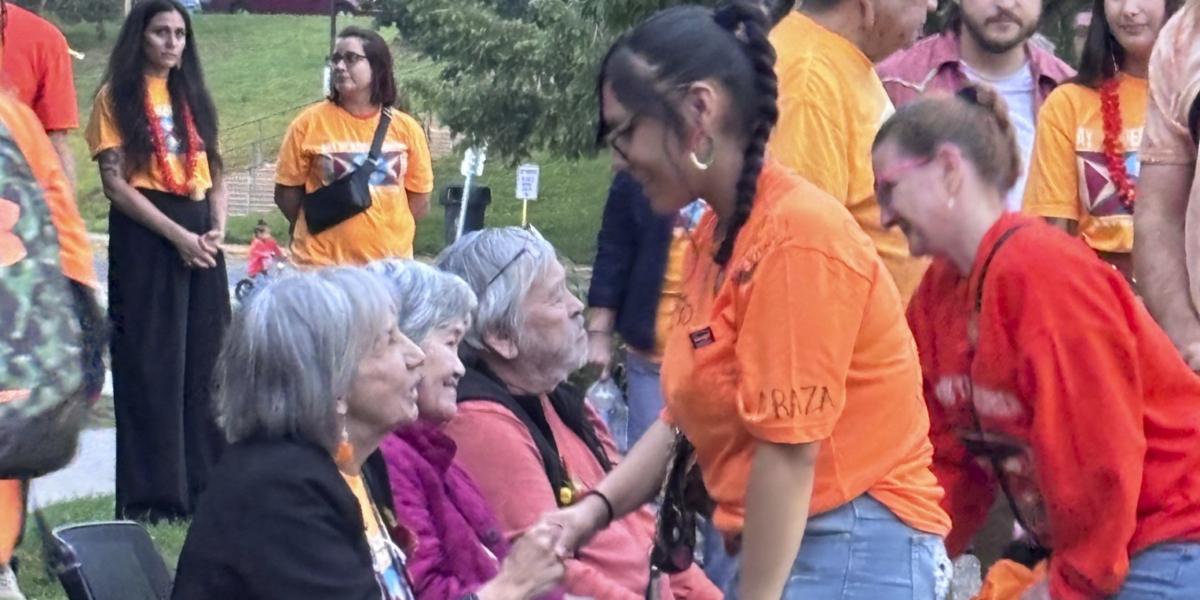 This week, the community gathers to honor boarding school survivors and a popular children’s book debuts as a play.
 - MNN Extended Interview: Bryan Bosto
 This week, we revisit producer Emma Needham’s interview with Bryan Bosto, who was recently inducted into the Minnesota Lacrosse Hall of Fame for the work he has done in growing the game in Native communities.
 - Dagwaagin Wiikonge’ (Fall Feast) at AICHO, and the New President at Leech Lake Tribal College
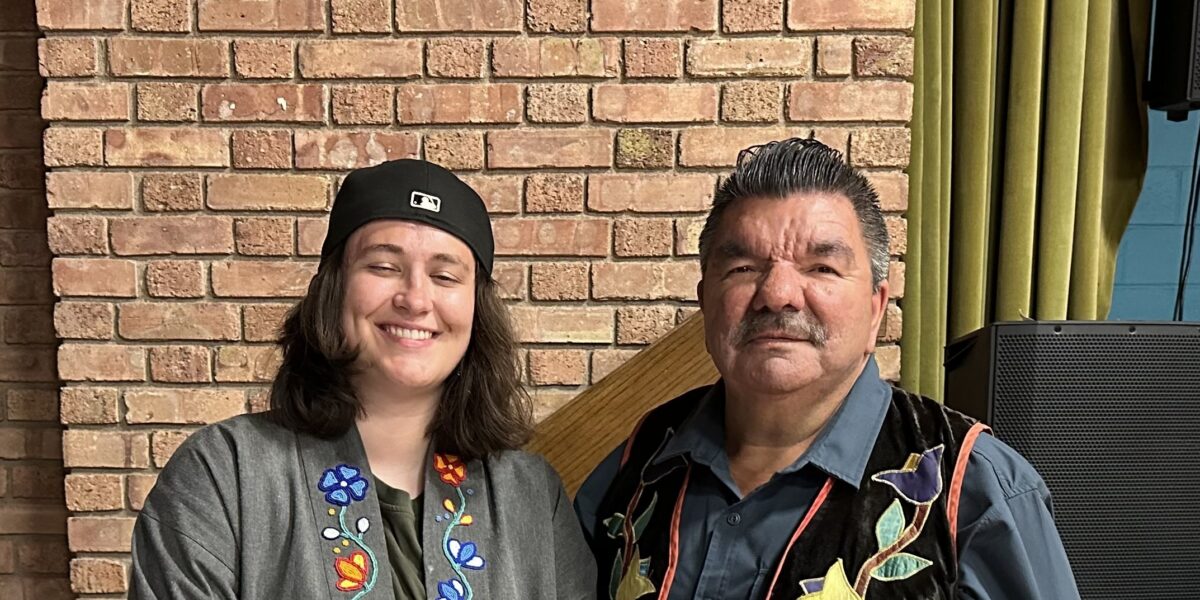 This week, we visit a Fall Feast in Duluth, and we meet the new President of Leech Lake Tribal College.
Subscribe to Minnesota Native News in your favorite podcast app


 Nikki Love (Pieratos): Keeping Relatives and Neighbors Safe in Uncertain Times