


This week, how the newly established Minnesota Sustainable Foraging Task Force is making decisions about state-wide foraging rules, plus a conversation with Mille Lacs Band of Ojibwe representatives about the newly named Grand Casino Arena in St. Paul.
—–
Producers: Xan Holston & Travis Zimmerman
Editing: Britt Aamodt
Editorial support: Emily Krumberger
Anchor: Marie Rock
Mixing & mastering: Chris Harwood
—–
For the latest episode drops and updates, follow us on social media.
Never miss a beat. Sign up for our email list to receive news, updates and content releases from AMPERS. ampers.org/about-ampers/staytuned/
This show is made possible by community support. Due to cuts in federal funding, the community radio you love is at risk. Your support is needed now more than ever. Donate now to power the community programs you love: ampers.org/fund
TRANSCRIPT
[Music: Minnesota Native News Theme]
Marie Rock: Welcome to Minnesota Native News. I’m Marie Rock. This week: how the newly established Minnesota Sustainable Foraging Task Force is making decisions about state-wide foraging rules, plus a conversation with Mille Lacs Band of Ojibwe representatives about the newly named Grand Casino Arena in St. Paul.
First, as officials rethink how people harvest from public lands, Indigenous advocates are reminding the state that for many communities, foraging is an inherited responsibility as much as a right. Xan Holston has more.
Nibi Ogichidaa Ikwe: I grew up picking wild flowers. My daughters currently pick wild flowers.
Xan Holston: Nibi Ogichidaa Ikwe, whose name means water warrior woman, said gathering plants has always been a part of her life. Now she’s helping the state rethink how foraging fits into Minnesota’s public lands. She is the Ojibwe representative for the Minnesota Indian Affairs Council, one of the groups guiding the legislative Task Force on state foraging rules.
Nibi Ogichidaa Ikwe: I guess we’ve been breaking the law without even knowing about it, because we’re not supposed to be picking the flowers out there.
Xan Holston : Minnesota’s Department of Natural Resources has different and sometimes unclear regulations, including an outdated permitting system for foraging in parks forest and wildlife management areas, but for indigenous foragers. Nibi Ogichidaa Ikwe says those rules don’t align with long held relationships with the land and the decisions about foraging shouldn’t be framed around restriction, but care
Nibi Ogichidaa Ikwe: state land means that it’s owned by the people. We should be allowed to use our land in a way that is helpful and healthy and good for all of us.
Xan Holston: She said policies designed to prevent exploitation have ended up preventing families from gathering real food and medicine on the land their ancestors took care of
Nibi Ogichidaa Ikwe: there are too many restrictions on having that close connection to our plants.
Xan Holston: The task force is weighing how to protect ecosystems while making space for sustainable, culturally rooted harvesting that includes deciding whether the state will continue requiring permits for harvesting plants, which plants should be off limits and how to teach responsible gathering. She hopes any new rules will reflect the idea that foraging is both a cultural practice and a form of care taking and not a threat to the landscape.
Nibi Ogichidaa Ikwe: Foraging for foods and medicines is our traditional way of life.
Xan Holston: The foraging Task Force is accepting public comment, and more information is available at lcc.mn.gov/foraging. It will release its recommendations to the state legislature in February for Minnesota. Native News, I’m Xan Holston.
Marie Rock: Next, as of September 3rd, the Xcel Energy Center has been renamed the Grand Casino Arena. Reporter Travis Zimmerman talked with representatives from the Mille Lacs Band of Ojibwe about how they plan to use venue to tell their story.
Travis Zimmerman: Mille Lacs, Band of Ojibwe has partnered with Minnesota sports and entertainment to secure the naming rights of the former Excel Energy Center. It is now Grand Casino arena, and will be for at least the next 14 years. Virgil Wind, Chief Executive of the Mille Lacs Band, hopes to use the space to educate visitors about Ojibwe history and culture.
Virgil Wind: This partnership is not just a name on a building. It’s really about pride. It’s about progress. It’s about lifting up our stories, honoring our heritage and making a space for the next generation. We want everyone that walks in the Grand Casino arena to feel the heart of the Mille Lacs Band of Ojibwe.
Travis Zimmerman: Shena Matrious, Director of partner relations for Grand Casino, has been busy making sure that message is front and center for visitors to the arena.
Shena Matrious: …a message that reads the Mille Lacs Band of Ojibwe welcomes you.
Travis Zimmerman: Chairman Wind shares his vision of what he would like to see
Virgil Wind: cultural art, Ojibwe, language, elements and interpretive displays and exhibits that reflect our history, our homeland, who we are.
Travis Zimmerman: This partnership also provides a unique opportunity to work more closely with the Minnesota Wild and the National Hockey League, which was on display recently when the wild hosted November’s Native American heritage night. The event included a video about the jingle dress as well as something that has never been heard before.
Shena Matrious: Broadcasting the game in Ojibwe language, a historic first in the NHL.
Travis Zimmerman: Wind is optimistic that this venture will increase visibility of the Mille Lacs Band, as well as be a catalyst for future partnerships.
Virgil Wind: These partnerships help build relationships, celebrate our identity.
Travis Zimmerman: for Minnesota. Native news, this is Travis Zimmerman.
[Music: Minnesota Native News Theme]
Marie Rock: Minnesota Native News is produced by AMPERS: Diverse Radio for Minnesota’s Communities. Made possibly by funding from the Minnesota Arts and Cultural Heritage Fund and the citizens of Minnesota.
More from Minnesota Native News
- MNN Extended Interview: Matthew RantanenThis week we look back at an interview producer Emma Needham did with Matthew Rantanen, descendant of the Cree Nation, about the work he is doing to bridge the digital divide in tribal lands.
- Day of Remembrance Honoring Boarding School Survivors, and Bowwow Powwow on Stage
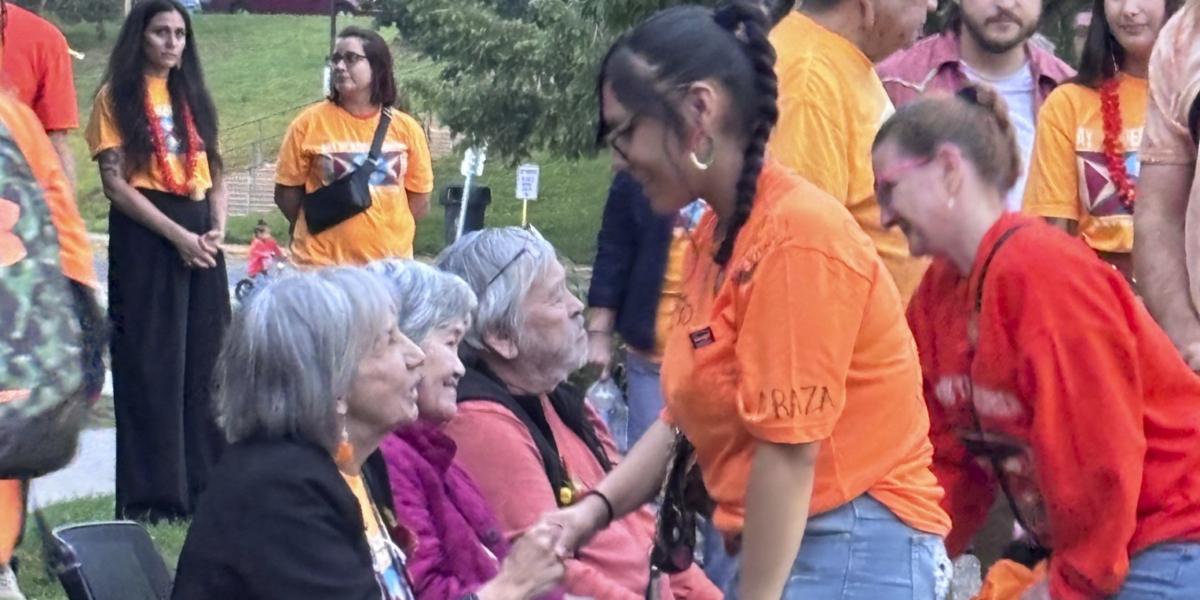 This week, the community gathers to honor boarding school survivors and a popular children’s book debuts as a play.
 - MNN Extended Interview: Bryan Bosto
 This week, we revisit producer Emma Needham’s interview with Bryan Bosto, who was recently inducted into the Minnesota Lacrosse Hall of Fame for the work he has done in growing the game in Native communities.
Subscribe to Minnesota Native News in your favorite podcast app


 Minnesota’s Presence at COP30, and the Impact of the CPB Elimination on Tribal Radio