


[Image Credit: Dan Ninham]
This week, how community members involved in the annual ceremony remembering the Dakota men hung by the United States government in 1862 in Mankato will now honor the Dakota women present, too. Plus, a look at the first Ojibwe broadcast of a hockey game in the country – here in Minnesota.
—–
Producer: Chaz Wagner
Interview support: Dan Ninham
Editing: Chaz Wagner, Emily Krumberger, Chris Harwood
Editorial support: Emily Krumberger
Anchor: Marie Rock
Mixing & mastering: Chris Harwood
—–
For the latest episode drops and updates, follow us on social media.
Never miss a beat. Sign up for our email list to receive news, updates and content releases from AMPERS. ampers.org/about-ampers/staytuned/
This show is made possible by community support. Due to cuts in federal funding, the community radio you love is at risk. Your support is needed now more than ever. Donate now to power the community programs you love: ampers.org/fund
TRANSCRIPT
[Music: Minnesota Native News Theme]
ANCHOR Marie Rock: Welcome to Minnesota Native News. I’m Marie Rock. This week: how community members involved in the annual ceremony remembering the Dakota men hung by the United States government in 1862 will now honor the Dakota women present, too. Plus, a look at the first Ojibwe broadcast of a hockey game in the country – here in Minnesota.
First, Chaz Wagner hears from Gabrielle Strong about how her research into the history of women present at this painful historical event in Mankato will be incorporated at this year’s commemoration.
[sound element: sounds of wind]
Chaz Wagner: It was a cold wintery day on December 26th, 1862 when 38 Dakota men were hung in Mankato making it the largest mass execution in United States History. While indigenous communities and some non-native people have remembered and paid respects to these men through honor rides on horseback, newer attention is now being given to the women present at this painful event.
[sound element: sounds of wind]
Gabrielle Strong: Oftentimes we hear about the experience of the men and the horror that they faced and that they suffered and now we are learning about the horrible conditions of our grandmothers.
Chaz Wagner: Gabrielle Strong is a Sisseton Wahpeton Dakota citizen and Vice President of NDN Collective.
Gabrielle Strong: They walked from Lower Sioux to Mankato beside those wagons, they were marched. They were there on the day of the hanging.
[sound element: sounds of wind]
Chaz Wagner: Dakota people were upset over their treaties not being upheld, ultimately leading to the U.S. – Dakota War of 1862.
Gabrielle Strong: annuities that were promised not being received so the people were really suffering at that time.
Chaz Wagner: The aftermath was a series of military trials with 392 men convicted and 303 sentenced to death. That number was later reduced to 38 by President Abraham Lincoln.
Gabrielle Strong: In our story, the hanging occurred on December 26 – the day after Christmas and why it took place at that time of season of peace was because it was meant to be a gift.
The way in which our people have commemorated what happened has taken many forms and the most known is the Dakota 38 ride. Through the years we’ve always known their names of the 38 we read them every year.
Chaz Wagner: This year in remembrance of the Dakota 38 will be a reading of the women involved.
Gabrielle Strong: Our oral history shared “the women wept and wailed” at the gallows. There were seventeen of them and they were brought to serve; to help care for the prisoners. I always wanted to find the names of those women, I wanted to know more about their experience, and this year our prayers were answered and they showed us how to find them .We’re going to read their names this year.
Chaz Wagner: The Dakota 38 Run and the reading of the names will take place at Land Of Memories Park in Mankato on the remembrance date of December 26th, starting at 10am.
For Minnesota Native News, I’m Chaz Wagner.
ANCHOR Marie Rock: Next, the country’s first broadcast of a hockey game in Ojibwe happened in Minnesota last month. Chaz Wagner has more.
[sound element: Hockey Game SFX]
Chaz Wagner: The Minnesota Wild made history by broadcasting a National Hockey League game entirely in Anishinaabemowin, the Ojibwe Language on Native American Heritage Day this year.
The Wild faced off against the Colorado Avalanche at the newly renamed Grand Casino Arena (formerly the Excel Energy Center).
Baabiitawigiizhigookwe Melissa Boyd: I said Monolingual Ojibwe commentary for every live game. And about a month later, I got an email from the Wild.
Chaz Wagner: Baabiitawigiizhigookwe Melissa Boyd, Mille Lacs Band of Ojibwe citizen & Board Treasurer of the Midwest Indigenous Immersion Network. She says that Minnesota Wild owner Craig Leipold was supportive of the idea.
Baabiitawigiizhigookwe Melissa Boyd: I helped coordinate the commentators and bring on the people that would do good to hockey and do good to the language and their skillset.
Chaz Wagner: Special Guest Ojibwe Commentators are fluent language speakers: Gordon Jourdaine, Chato Gonzalez, and James Buckholtz.
The game was broadcast entirely in Ojibwe where participating fans could listen live on the FanDual Sports Network app or website. Minnesota took the win that night with a 3 to 2 final score.
For Minnesota Native News, I’m Chaz Wagner.
[Music: Minnesota Native News Theme]
Marie Rock: Minnesota Native News is produced by AMPERS: Diverse Radio for Minnesota’s Communities. Made possibly by funding from the Minnesota Arts and Cultural Heritage Fund and the citizens of Minnesota.
More from Minnesota Native News
- MNN Extended Interview: Matthew RantanenThis week we look back at an interview producer Emma Needham did with Matthew Rantanen, descendant of the Cree Nation, about the work he is doing to bridge the digital divide in tribal lands.
- Day of Remembrance Honoring Boarding School Survivors, and Bowwow Powwow on Stage
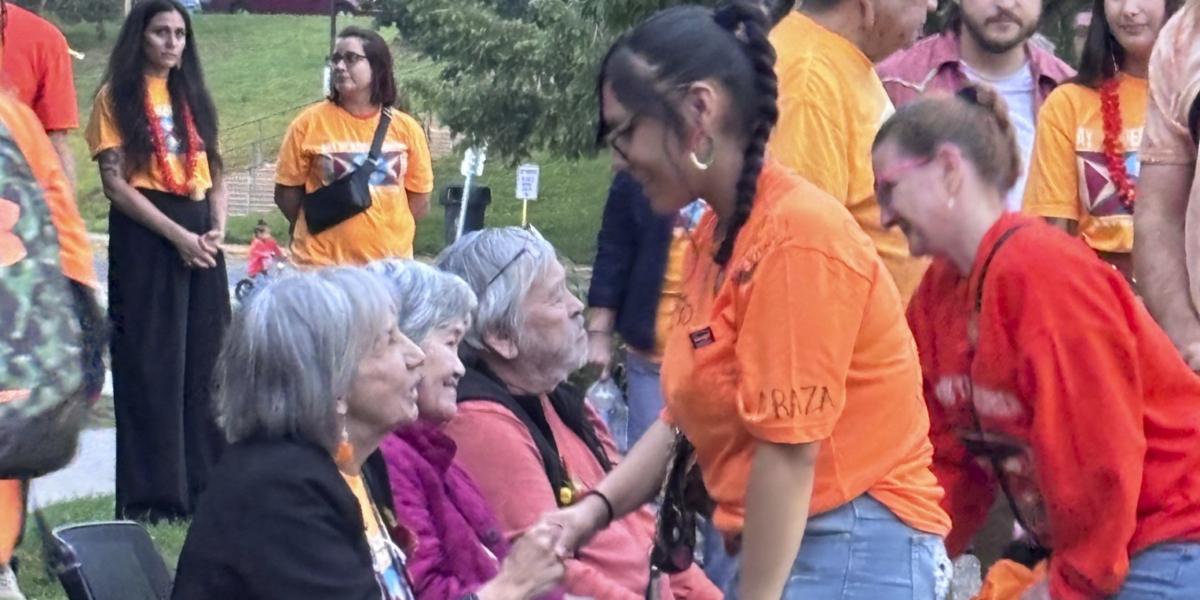 This week, the community gathers to honor boarding school survivors and a popular children’s book debuts as a play.
 - MNN Extended Interview: Bryan Bosto
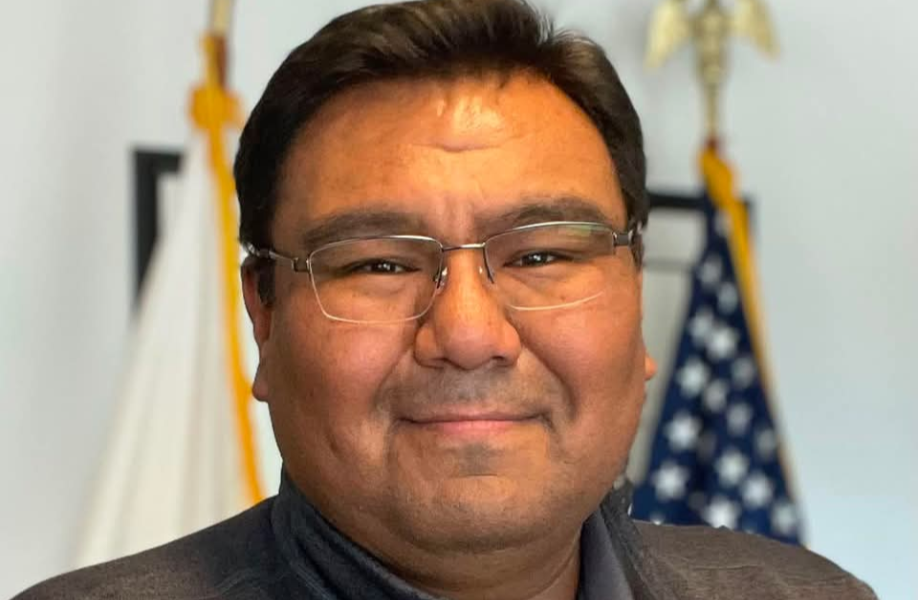 This week, we revisit producer Emma Needham’s interview with Bryan Bosto, who was recently inducted into the Minnesota Lacrosse Hall of Fame for the work he has done in growing the game in Native communities.
Subscribe to Minnesota Native News in your favorite podcast app


 Indigenous Contributions to Minnesota’s New Foraging Guidelines, and How the Newly-Named Grand Casino Arena Will Showcase Ojibwe Culture