
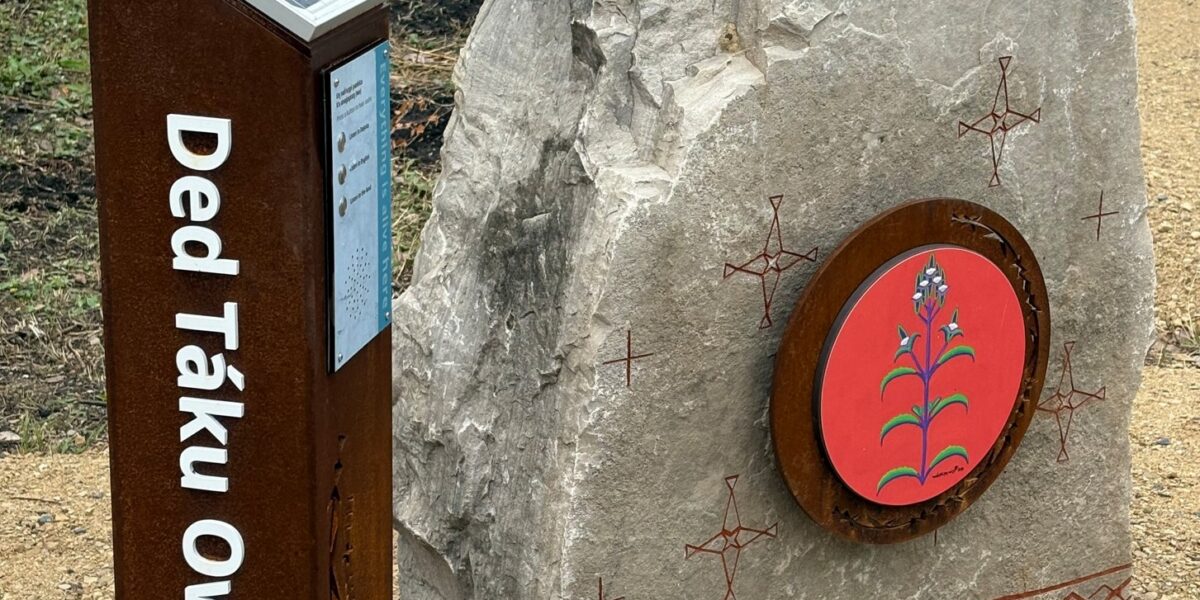
This week, we visit the restored wetlands and gathering place for the Twin Cities’ Indigenous community, and look back at our conversation with artist Giizh Sarah Agaton Howes.
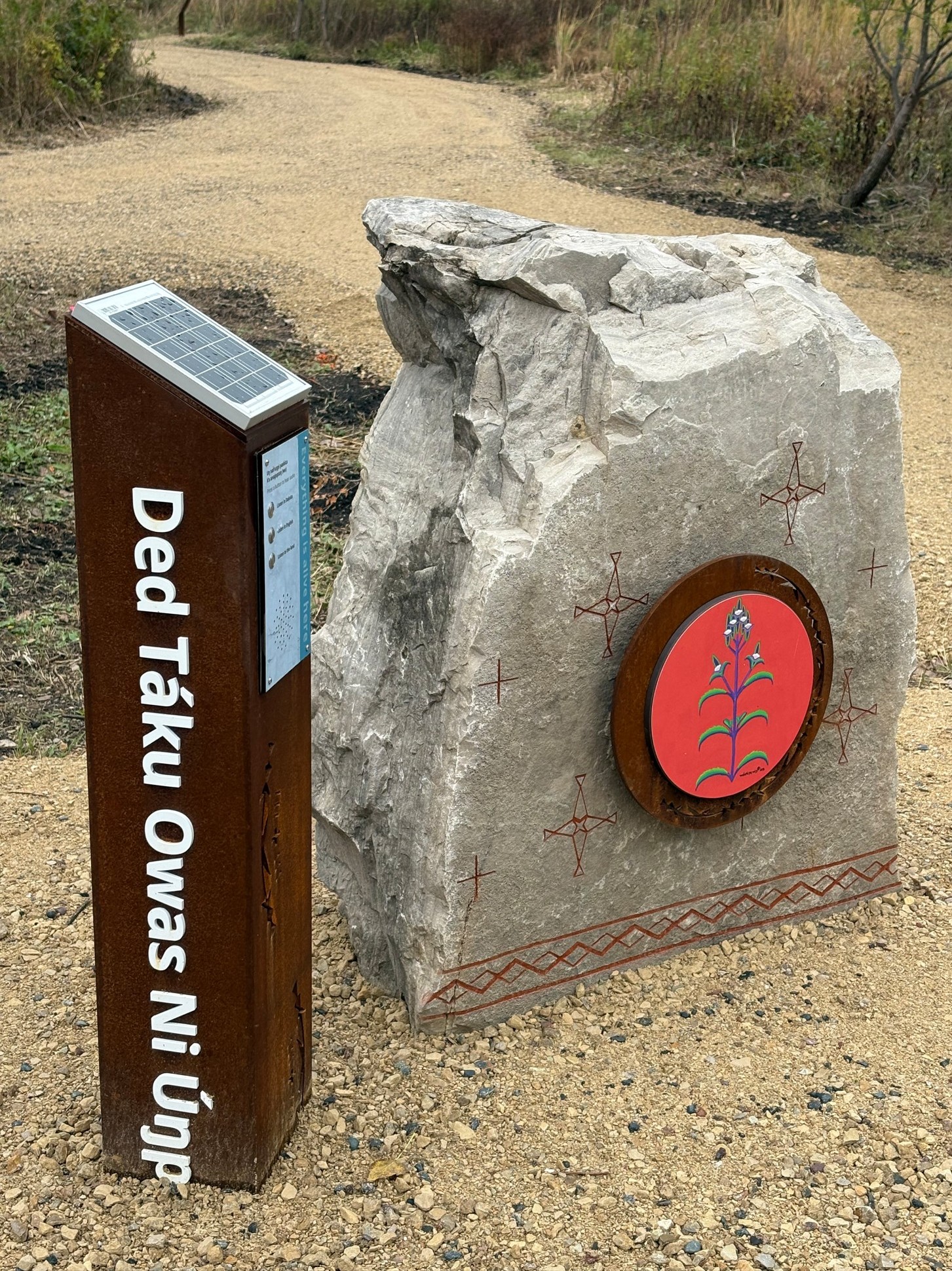
[credit: Deanna StandingCloud]
Producer: Deanna StandingCloud, Chandra Colvin
Editor: Deanna StandingCloud, Victor Palomino
Anchor: Marie Rock, Britt Aamodt
Mixing & mastering: Chris Harwood
—–
For the latest episode drops and updates, follow us on social media.
Never miss a beat. Sign up for our email list to receive news, updates and content releases from AMPERS. ampers.org/about-ampers/staytuned/
This show is made possible by community support. Due to cuts in federal funding, the community radio you love is at risk. Your support is needed now more than ever. Donate now to power the community programs you love: ampers.org/fund
TRANSCRIPT
[Minnesota Native News theme]
Britt Aamodt [Anchor]: You’re listening to Minnesota Native News. I’m Britt Aamodt. This week, we visit the restored secret wetlands and a new gathering place for the Indigenous community in the Twin Cities, and we look back at our conversation with artist Sarah Agaton Howes.
First, producer Deanna StandingCloud talks with the director of Waḳaƞ Ṭípi Nature Sanctuary about the upcoming grand opening.
Deanna StandingCloud: A bumblebee hovers over the edge of a purple coneflower. Nearby freight train cars clash. The massive railway has been there since the 1880s on land sacred to Dakota people for thousands of years.
Maggie Lorenz: Another pillar of our work is really trying to help educate the broader community about this site and about, you know, Dakota homelands in general, but also, um, kind of this constellation of sacred places within our urban area.
Deanna StandingCloud: Maggie Lorenz is Spirit Lake Dakota and a member of the Turtle Mountain Band of Chippewa. She has helmed Waḳaƞ Ṭípi Awanyankapi, an Indigenous-led organization, since its inception in 2019.
Maggie Lorenz: Like, we’re just creating space and holding space for Native people to be able to access this place and practice life ways here.
Deanna StandingCloud: The sacred site became an illegal dumping ground in the 1970s and 80s, making the soil in the area polluted and toxic. In 1997, a group called the Lower Phalen Creek Project advocated to restore the land.
Maggie Lorenz: Yeah, that was the first project the group took on, was to kind of, like, work with the Trust for Public Land, to acquire the property, and then turn it over to the City of St. Paul for public use, and then the restoration work began.
Deanna StandingCloud: The area restored wetlands is now the Waḳaƞ Ṭípi Nature Sanctuary, 27 acres of floodplain forest, prairie grassland, where an ancient oak savannah thrived. It is also a place Dakota communities used for ceremonial gatherings and to harvest food and plant
Maggie Lorenz: We do have a number of new, like, teaching stone exhibits out in the sanctuary itself. Those teaching stones through, like, these little audio, solar-powered audio posts. And you can hear the stories in both Dakota and in English.
Deanna StandingCloud: A long-awaited vision, Waḳaƞ Ṭípi Awanyankapi, will be hosting their grand opening of the new intergenerational gathering place for the indigenous communities and their allies, on May 29, 2026.
Maggie Lorenz: We’ll do the ribbon-cutting and be able to enter the building. I’m really excited that we have some dancers who are going to be with us who are going to kind of dance us into the building.
Deanna StandingCloud: Learn more about Waḳaƞ Ṭípi at w-a-k-a-n-t-i-p-i dot o-r-g. For Minnesota Native News, I’m Deanna Standing Cloud.
Britt Aamodt: Next, we revisit an artist’s work at Sherburne National Wildlife Refuge’s new amphitheater.
Giizh Sarah Agaton Howes: Boozhoo, I’m Giizh Agaton Howes. I am one of the artists that collaborated with the Friends on the amphitheater art. Holly Young and I collaborated to create a Dakota and Ojibwe design that incorporates both the indigenous animals of this area, but also the animals that we would like to be returning to the area. we have an eagle, a crane, a bear, a turtle, and a deer, and then a bison. And they’re all done in Ojibwe style, what we call the x-ray style. Also, they have a thunderbolt through them, which represents, like, their life force, but also that, like, for us as Ojibwe’s, thunder is a gift, and these animals all bring gifts. they’re all connected by a line, showing how we’re all connected to each other. And then in the center is a traditional tobacco or sema plant that we use for prayer, and it’s orientated in the four cardinal directions to really represent the idea of, like, sending out our good thoughts, our good prayers, however you think of that, in all the directions. But we also wanted this space to be, like, fun and functional, so that, like, kids could come here and be a space that people would feel comfortable using. I love the idea of creating really permanent places where we’re telling Ojibwe and Dakota stories and really highlighting those stories, so I was all about it.
Britt Aamodt: That’s all for this week’s episode. Join us next time for more voices and stories that inform, uplift, and shape our communities. right here on Minnesota Native News.
[Music: Minnesota Native News Theme]
Marie Rock: You can find Minnesota Native News on social media! Follow us on Facebook at Minnesota Native News and on Instagram and X at M-N Native News. Minnesota Native News is produced by AMPERS: Diverse Radio for Minnesota’s Communities. Made possible by funding from the Minnesota Arts and Cultural Heritage Fund and the citizens of Minnesota.
More from Minnesota Native News
- Dagwaagin Wiikonge’ (Fall Feast) at AICHO, and the New President at Leech Lake Tribal College
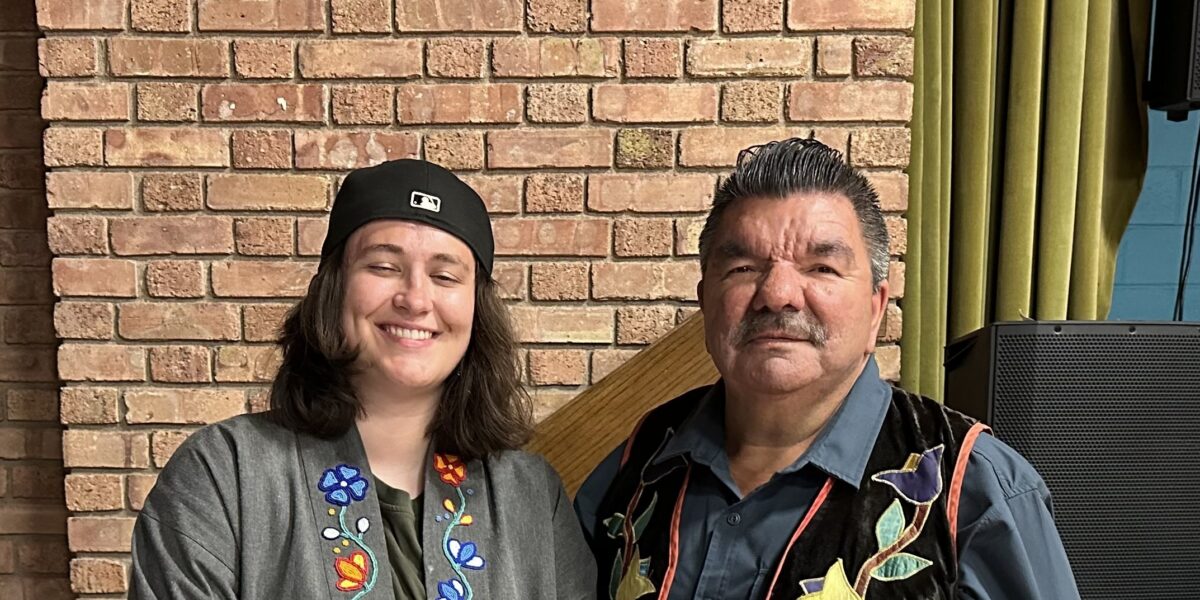 This week, we visit a Fall Feast in Duluth, and we meet the new President of Leech Lake Tribal College.
 - Tribal Flags at the Military Museum, and NativeCare Opens Dispensary in Maplewood
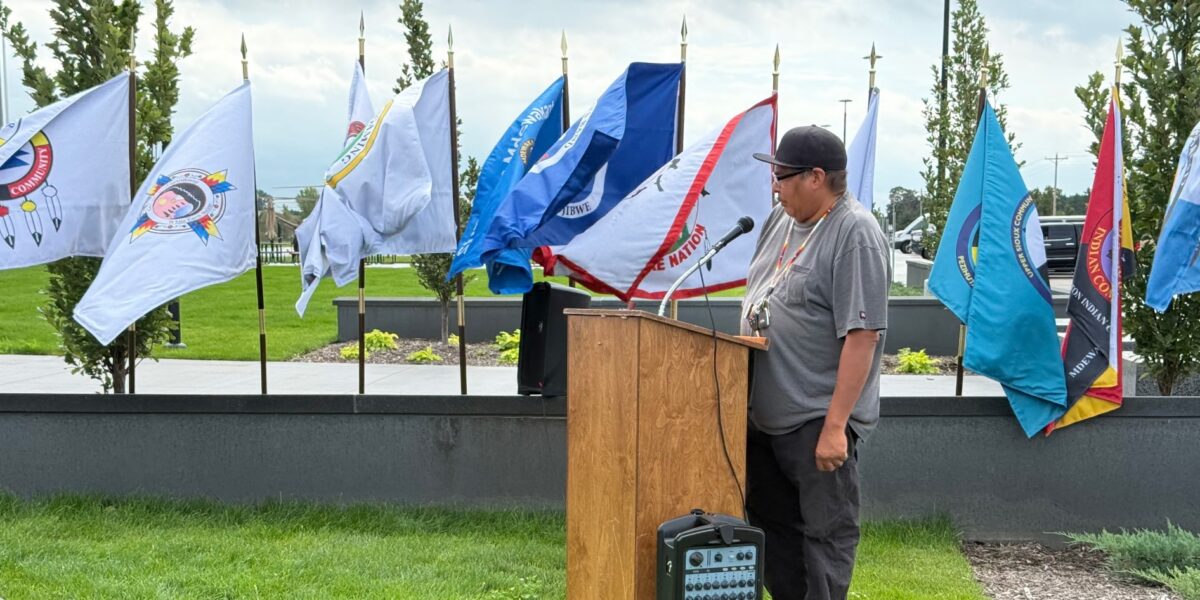 This week, a new military museum honors tribal veterans with a flag ceremony, and the state’s tribes continue to expand their cannabis initiatives.
 - MNN Extended Interview: Tom B.K. Goldtooth
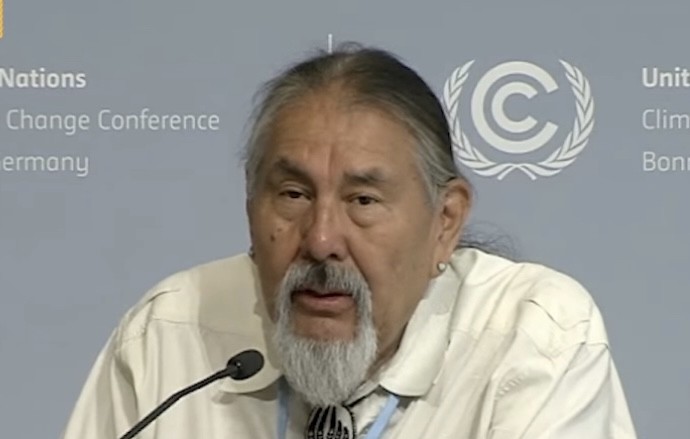 This week, we look back at Dan Ninham’s interview with Indigenous Environmental Network Executive Director Tom B.K. Goldtooth as he discusses rights for Indigenous communities advocating for a transition away from a fossil fuel economy.
Subscribe to Minnesota Native News in your favorite podcast app


 MNN Extended Interview: Shayla Budrow