


This week, Bemidji’s Tom BK Goldtooth’s reflection after attending this year’s Climate Change Conference (COP30), and how federal cuts to public broadcasting are affecting tribal radio stations.
—–
Producers: Dan Ninham, CJ Younger
Editing: CJ Younger, Emily Krumberger, Victor Palomino
Anchor: Marie Rock
Mixing & mastering: Chris Harwood
—–
For the latest episode drops and updates, follow us on social media.
Never miss a beat. Sign up for our email list to receive news, updates and content releases from AMPERS. ampers.org/about-ampers/staytuned/
This show is made possible by community support. Due to cuts in federal funding, the community radio you love is at risk. Your support is needed now more than ever. Donate now to power the community programs you love: ampers.org/fund
TRANSCRIPT
[Music: Minnesota Native News Theme]
Marie Rock: Welcome to Minnesota Native News. I’m Marie Rock. This week, we look at how federal cuts to public broadcasting are affecting tribal radio stations and a local leader’s reflection after attending this year’s Climate Change Conference.
First, after major funding cuts for public media, what’s next for tribal radio? Producer CJ Younger has more.
CJ Younger: For hyper-local tribal radio stations, the loss of funding and support from the Corporation for Public Broadcasting, or CPB, which is eliminated in July of this year, is carving away emergency services, community connection, and native representation on air.
Rema Dael: It could be that there’s a flood or a wildfire, and you can’t find your local station on the air anymore.
CJ Younger: That’s Rema Dael, CEO of the National Federation for Community Broadcasters. Often, tribal stations are the only local radio in the area on reservations or remote areas of northern Minnesota. But emergency services aren’t all that’s at risk.
Rema Dael: Tribal stations are tribal community gathering places.
[Nat sound: “You’re listening to KOJB 90.1 FM, The Eagle. For hyper-local stories and news on tribal matters, Leech Lake Band of Ojibwe has KOJB.”]
Chris Bedeau: I think it’s important that each community has a voice.
CJ Younger: That’s Chris Badeau, station manager for KOJB, which lost about 35% of its funding after CPB was eliminated.
Chris Bedeau: We’re more informative with our PSAs, our health, our jobs, you know, all that kind of thing in there, too. We’re working with folks that are underserved.
CJ Younger: KOJB’s airwaves are full of programming you just wouldn’t find on non-native stations.
[Nat Sound: “Bujoo, ginawa, Ojuwakin, dojunakaz. Ojuwak is my name, bringing you Niji Radio’s Ojibwe phrase of the day.”]
CJ Younger: KKWE is another tribal station that lost over 50% of their funding when CPB was cut. Both KOJB and KKWE are members of Ampers. Short over $200, 000, KKWE is hoping to operate on a volunteer basis to keep native programming on air. Maggie Rosu is the station manager for KKWE, a community hub for the White Earth Nation.
Maggie Rousu: We do have hope. We feel like we’re going to be able to make it. We’re going to survive one way or another. We can’t go dead air because we’re important for the healing of our people.
CJ Younger: For Minnesota Native News, I’m CJ Younger.
Marie Rock: Next, producer Dan Ninham speaks with the Indigenous Environmental Network Executive Director, Tom Goldtooth, about his time at COP30 in Brazil.
Dan Ninham: At this year’s United Nations Climate Change Conference, COP30, held in Brazil last month, Minnesotans participated in the International Indigenous People’s Forum on Climate Change. One was Tom B. K. Goldtooth, Dine and Dakota, who is Executive Director of the Bemidji-based organization Indigenous Environmental Network.
Tom Goldtooth: Reality says that we have to move away from a fossil fuel dependency. That’s what our platform has been as IEN and working with other Indigenous peoples.
Dan Ninham: A big part of demands from Indigenous people and allies at COP30 was a call for a just transition. Tom says that this originally came from the labor movement.
Tom Goldtooth: Workers were concerned about toxic chemicals. So that became known as a just transition. And as Native American Indian and Alaska Native, just transition means putting to use our traditional knowledge in a modern world, being principled and ethical in the way that we pursue economic development.
Dan Ninham: This work also involves self-determination for Indigenous communities.
Tom Goldtooth: We have a right to be able to make our own decisions as tribal sovereign nations. Tribes in Minnesota have a right to be fully informed about climate change, what’s causing Mother Earth to heat up.
Dan Ninham: Indigenous Environmental Network also is working on their own initiatives.
Tom Goldtooth: We have a food sovereignty project that we operate at our national office in Bemidji. And we have different traditional seeds, corn and squash and beans and melons and even sage.
Dan Ninham: For Minnesota Native News, this is Dan Ninham.
[Music: Minnesota Native News Theme]
Marie Rock: That’s all for this week’s episode. Join us next time for more voices and stories that inform, uplift, and shape our communities. Right here on Minnesota Native News.
Minnesota Native News is produced by AMPERS: Diverse Radio for Minnesota’s Communities. Made possibly by funding from the Minnesota Arts and Cultural Heritage Fund and the citizens of Minnesota.
More from Minnesota Native News
- MNN Extended Interview: Tom B.K. Goldtooth
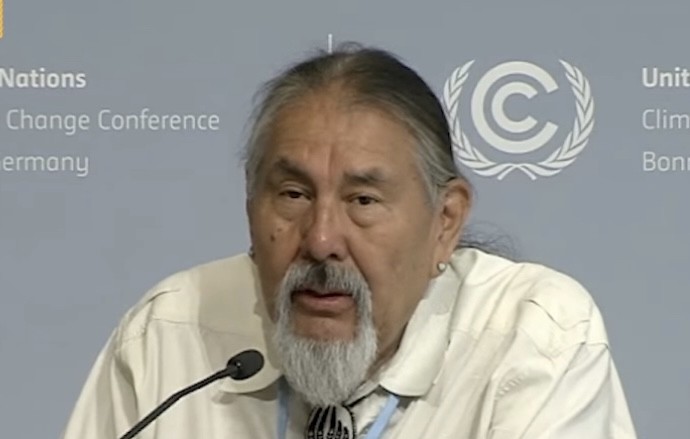 This week, we look back at Dan Ninham’s interview with Indigenous Environmental Network Executive Director Tom B.K. Goldtooth as he discusses rights for Indigenous communities advocating for a transition away from a fossil fuel economy.
 - MNN Extended Interview: Gary Farmer
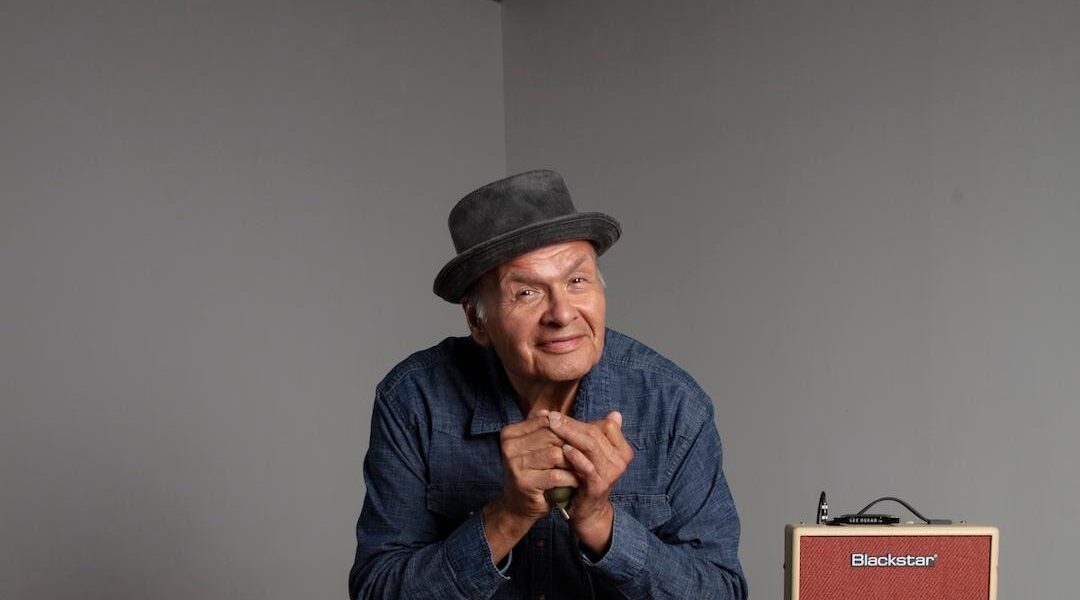 This week, we revisit reporter Deanna StandingCloud’s interview with Cayuga tribal member Gary Farmer, a First Nations actor and musician best known for his roles in Powwow Highway, Dead Man, and Smoke Signals to hear his thoughts on acting.
 - The Native American Community Clinic Moves into a New Building, and Native Running Clubs Are Growing Fast
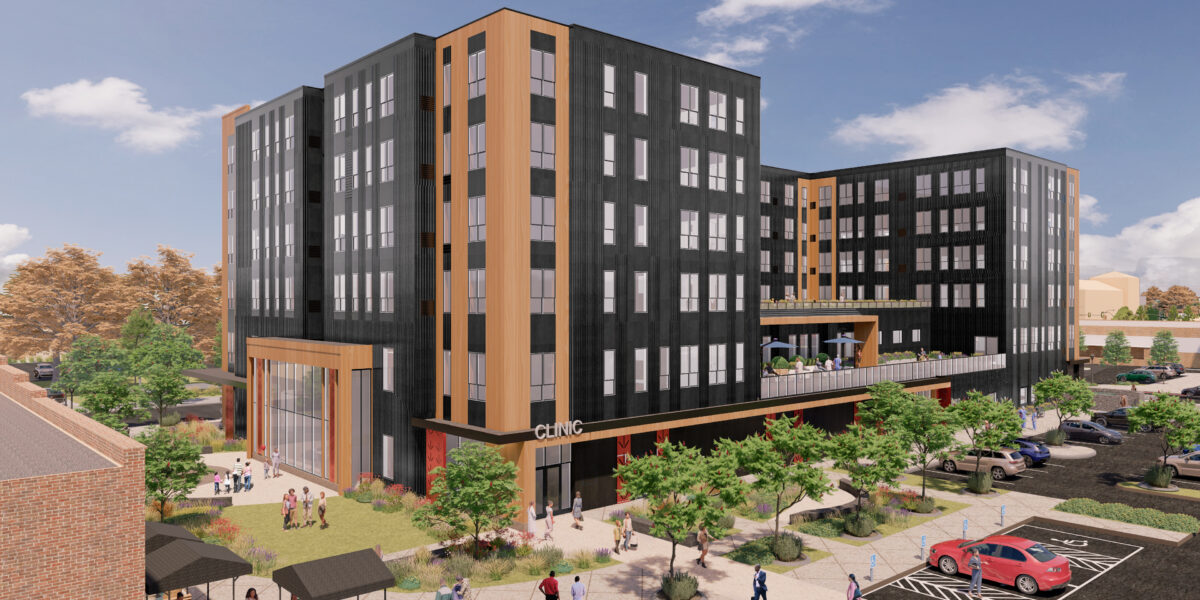 This week, a Native clinic gets ready to move into its new building, and running clubs are promoting health and healing.
Subscribe to Minnesota Native News in your favorite podcast app


 Carl Gawboy: Remembering the Fur Trade Through Art