
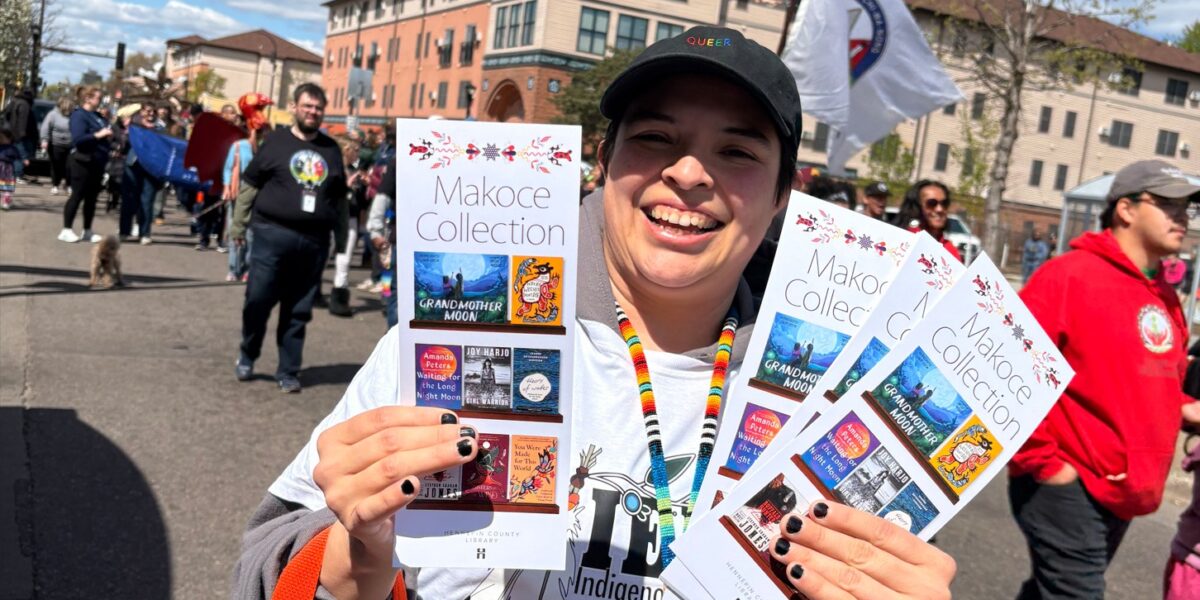
This week, we look at how a federal decision on copper mining could affect Minnesota tribal treaty territory, and a recap of last week’s American Indian Month kick-off celebration in Minneapolis.
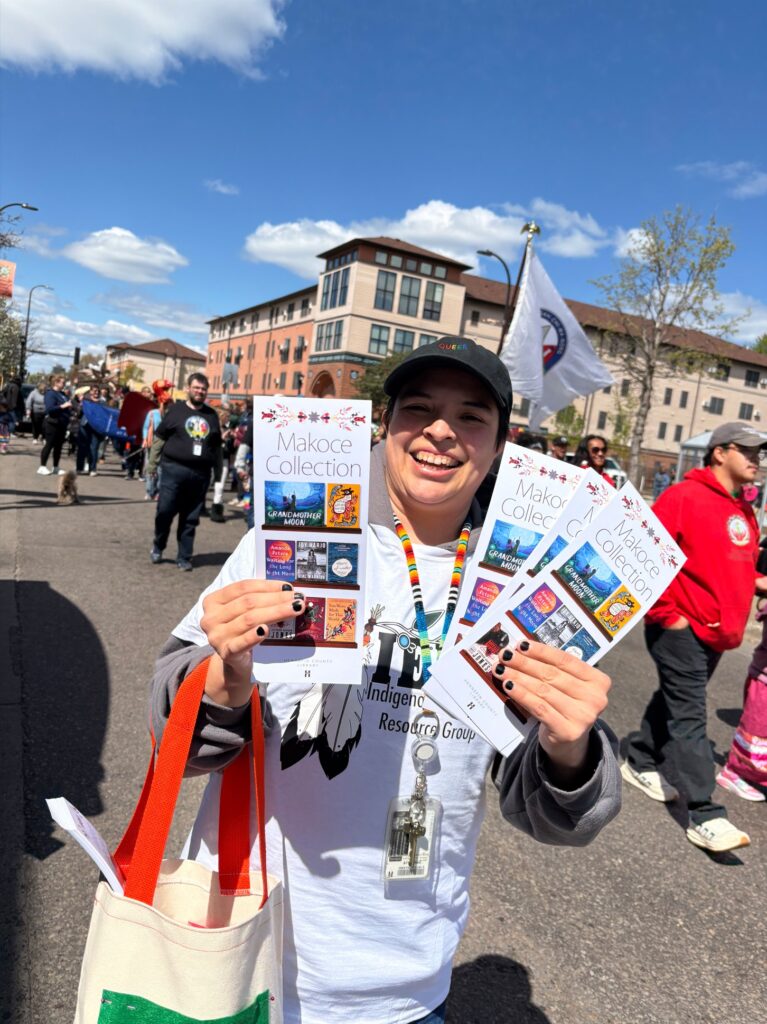
Producers: Chaz Wagner, Deanna StandingCloud
Editor: Chaz Wagner, Deanna StandingCloud
Anchor: Marie Rock
Mixing & mastering: Chris Harwood
Editorial support: Victor Palomino, Emily Krumberger
—–
For the latest episode drops and updates, follow us on social media.
Never miss a beat. Sign up for our email list to receive news, updates and content releases from AMPERS. ampers.org/about-ampers/staytuned/
This show is made possible by community support. Due to cuts in federal funding, the community radio you love is at risk. Your support is needed now more than ever. Donate now to power the community programs you love: ampers.org/fund
TRANSCRIPT
[Minnesota Native News theme]
Marie Rock: You’re listening to Minnesota Native News. I’m Murray Rock. This week, we look at how a federal decision on mining could affect Ojibwe Treaty territory and a recap of last week’s American Indian Month kickoff in Minneapolis. First, producer Chaz Wagner talks with lawmakers about concerns that the removal of a federal ban on mining could encroach on tribal lands.
Chaz Wagner: A major debate is unfolding in Washington and here in Ely, Minnesota, over the future of copper-nickel mining near the Boundary Waters canoe area within Ojibwe Tribal Treaty territory. Recently, the U. S. Senate voted narrowly overturning a 20-year ban on mining in the region. This reopened the door to drilling by Twin Metals, Minnesota, owned by a Chilean multinational mining
Sen. Tina Smith: This was a terrible mistake that the Senate made and the House made.
Chaz Wagner: Minnesota Senator Tina Smith has emerged as one of the most vocal critics of the proposal. She recently took the Senate floor, urging lawmakers to reconsider.
Sen. Tina Smith: I have been working on this issue since I first came to the Senate. I worked very closely with the U. S. Department of Agriculture to support putting the moratorium in place to begin with.
Chaz Wagner: Supporters argue that Twin Metals proposed copper mine could boost the domestic supply of minerals essential for clean energy technologies and create jobs. Opponents say the environmental and health risks are simply too high.
Scientists and environmental groups warn that sulfide mining used to extract copper and nickel can produce acid mine drainage that can leak toxic metals into waterways. The Boundary Waters lies at the center of Grand Portage, Bois Forte, and Fond du Lac Ojibwe Treaty Territory.
Sen. Tina Smith: Those treaties obligate the federal government to protect the rights of Minnesota’s tribal nations.
Shane Drift: That’s going to affect our resources, our treaty rights.
Chaz Wagner: Shane Drift is the District 1 representative for the Bois Forte Band tribe.
Shane Drift: Our casino, Fortune Bay, is close by the Boundary Waters. It’s close to Ely. Fortune Bay as a casino that relies heavily on tourism, and the Minnesota tourism is way too important to mess around with.
Chaz Wagner: Even with the ban lifted, the project must clear extensive environmental reviews before any mining begins. For Minnesota Native News, I’m Chaz Wagner.
Marie Rock: Next, producer Deanna StandingCloud tells us how supporting community is part of the celebration of this year’s American Indian Month.
Deanna StandingCloud: May 1st kicks off American Indian Month in Minnesota, a time-honored celebration since 1969.
Sierra Villebrun: I’ve been coming to the kickoff to American Indian Month parade for 15 years, as long as I’ve lived in Minneapolis, and I continue to come back because I feel like it is a great space for all of the community to gather, to mingle, to see one another, to get in those good laughs, those healing moments.
Deanna StandingCloud: Sierra Villibrin is the program coordinator for the Women of Traditional Birthing Program at the Division of Indian Work. The organization represents one of over 60 that provides services to Native families in the metro. Every year, these organizations and members of the Twin Cities Native community celebrate American Indian Month with a parade, powwow, and other activities.
Leroy Shabiash: Coming from, uh, uh, alcohol, struggling, I have, I was not connected to that. And today it is really love and learn
Deanna StandingCloud: Leroy Shabayash is from the Fond du Lac Band of Ojibwe and has turned to services from these organizations and to his community to support his journey of sobriety.
Leroy Shabiash: I’ve been in recovery for 40 years, so that has really helped me, um, on this red road. Um, praying every morning, smudging down, um, out here helping, being part of the community. Um, that’s where healing comes from.
Deanna StandingCloud: Sierra and Leroy are of over 50,000 Native people in the Twin Cities metro area, according to census data. They are a part of a Minneapolis tradition nearly 60 years old. To learn more about the ongoing American Indian Month events for 2026, follow the Metropolitan Urban Indian Director’s Facebook page. For Minnesota Native News, I’m Deanna Standing Cloud. Marie Rock: That’s all for this week’s episode. Join us next time for more voices and stories that inform, uplift and shape our communities right here on Minnesota Native News.
[Music: Minnesota Native News Theme]
Marie Rock: You can find Minnesota Native News on social media! Follow us on Facebook at Minnesota Native News and on Instagram and X at M-N Native News. Minnesota Native News is produced by AMPERS: Diverse Radio for Minnesota’s Communities. Made possible by funding from the Minnesota Arts and Cultural Heritage Fund and the citizens of Minnesota.
More from Minnesota Native News
- Day of Remembrance Honoring Boarding School Survivors, and Bowwow Powwow on Stage
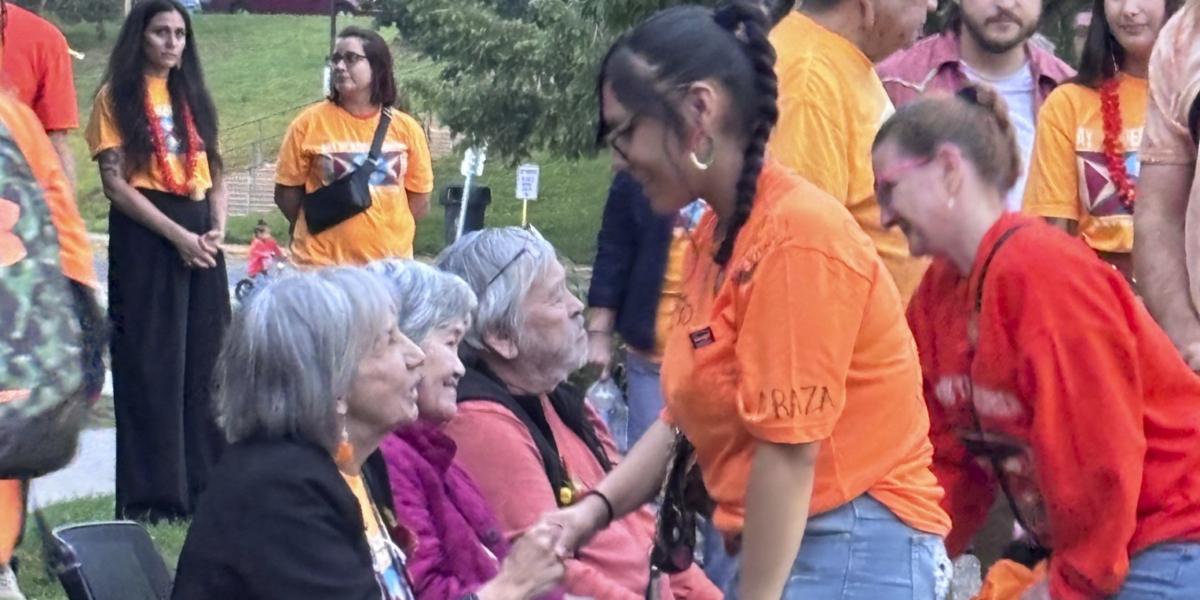 This week, the community gathers to honor boarding school survivors and a popular children’s book debuts as a play.
 - MNN Extended Interview: Bryan Bosto
 This week, we revisit producer Emma Needham’s interview with Bryan Bosto, who was recently inducted into the Minnesota Lacrosse Hall of Fame for the work he has done in growing the game in Native communities.
 - Dagwaagin Wiikonge’ (Fall Feast) at AICHO, and the New President at Leech Lake Tribal College
 This week, we visit a Fall Feast in Duluth, and we meet the new President of Leech Lake Tribal College.
Subscribe to Minnesota Native News in your favorite podcast app


 MNN Extended Interview: Red Lake Nation Mental Health Professional Lorissa White