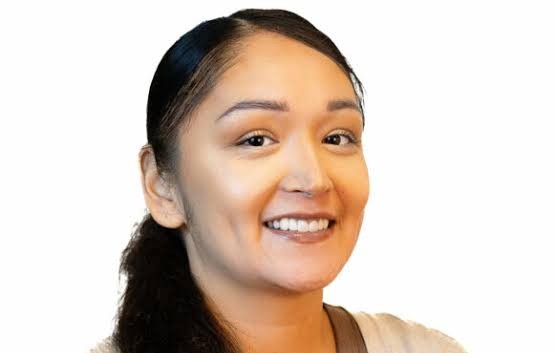
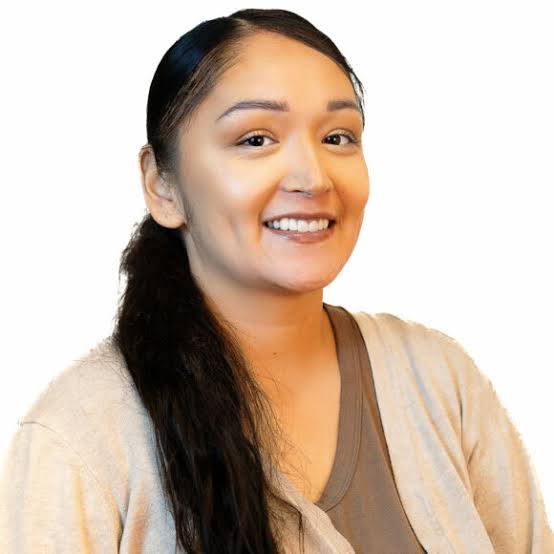
This week, Red Lake Nation mental health professional Lorissa White talks about brainspotting, an innovative approach to processing trauma and finding community healing.
Producers: Deanna StandingCloud
Editor: Victor Palomino
Anchor: Marie Rock
Mixing & mastering: Chris Harwood
—–
For the latest episode drops and updates, follow us on social media.
Never miss a beat. Sign up for our email list to receive news, updates and content releases from AMPERS. ampers.org/about-ampers/staytuned/
This show is made possible by community support. Due to cuts in federal funding, the community radio you love is at risk. Your support is needed now more than ever. Donate now to power the community programs you love: ampers.org/fund
—–
TRANSCRIPT
[Minnesota Native News theme]
Marie Rock [ANCHOR]: You’re listening to Minnesota Native News. I’m Marie Rock. This week, we go back to a conversation with Red Lake Nation mental health professional Larissa White with producer Deanna StandingCloud about brainspotting, an innovative approach to processing trauma and finding community healing.
Lorissa White: My name is Purple Butterfly Woman. That’s my Ojibwe name. I’m Bear Clan and I’m from Red Lake and my English name is Larissa White. Currently I work at the Red Lake Nation Menombo-Montazewind Wellness Clinic in Minneapolis, Minnesota. It’s in South Minneapolis. I’m a pediatric mental health therapist and the majority of the work that I do is trauma work. I knew that I wanted to provide mental health therapy for youth because, you know, like suicide is a huge thing for our youth and I almost was a victim to that. And so I wanted to be like a Native mental health therapist that can help youth on their journeys. So when I think about like mental health, it is becoming more accessible. And one of the things I noticed like in our communities, you know, the Minneapolis areas, there is more Native therapists and there’s like quite a few different options of clinics. So I think that’s the biggest thing is that we’re fulfilling a need. And so I feel like that’s one of the key pieces, you know, families accessing mental health is that like they feel comfortable and safe coming to a Native clinic knowing that they’re going to be taken care of by either Native therapists or therapists that have a lot of training and knowledge in the Native community. Just to kind of explain what brains like they’re doing. So it uses eye placement to process a trauma and it’s actually a natural phenomenon. So basically like how it works is you kind of go in like, “Oh, I’m having this problem,” and you locate where you feel it in your body. So then like you find the brain spot, like where that throat feeling is the heaviest and you’re actually processing the why. The way that we operate sometimes, like we don’t even recognize like how much we are impacted by our subconscious brain. So brain spotting, it’s a tool that can kind of help, know, integrate and like process the things that are like impacting. And so this tool allows us to process those things so we can live in a good way and so we can move through those things. The way that this can help with that historical trauma, what we do know is that it is stuck in our body. And from personal experience, like getting brain spotting done, I’ve been getting it done for about three years now, almost going on four, is that my brain is able to process things that happened to my grandparents and my parents. And I can go on and on about like what happened because it’s really beautiful to see. And what I noticed is like it provides the space to release those things that were stuck in my body because they’re in survival, you know, and it makes sense, you know, because like if you think about the things that they’ve been through, it’s way different than us, like they were being displaced, they were, you know, in boarding school, they were, you know, their language was being stolen, like there’s just all of these things that were happening. And so of course, they stored it in our body, and they unintentionally passed it down to us. So now we’re in this space of healing, like we’re that generation that’s like kind of in the middle, where we’re healing. And so brain spotting allows a tool for us to like process those things and release them in a good way. And it’s not the only way it’s not like the end all be all way of doing it. But it’s a tool that we can utilize because it does access those like stored memories that we cannot access by talking. You know, as we know, as a people like we have like the four directions and four parts of ourselves. So there’s this spiritual, mental, emotional and physical. And one of the pieces like with spiritual healing that I really hope to see is how do we integrate brain spotting with spiritual healing, you know, because like what I’m seeing in my work is that like they go hand in hand. And so our communities are impacted by, you know, so much adversity, like fentanyl, grief, houselessness, like there’s all these things. So I’m not here to promote that brain spotting is going to fix all of that. But it is a tool that, you know, we can utilize as we navigate our healing and like the most important tool that we have is our communities and ourselves. So just to always remember that, like there’s always these tools that we can use to heal. But coming together as a community is going to be the most helpful, most powerful tool that we have.
Marie Rock: That’s all for this week’s episode. Join us next time for more voices and stories that inform, uplift and shape our communities right here on Minnesota Native News.
[Music: Minnesota Native News Theme]
Marie Rock: You can find Minnesota Native News on social media! Follow us on Facebook at Minnesota Native News and on Instagram and X at M-N Native News. Minnesota Native News is produced by AMPERS: Diverse Radio for Minnesota’s Communities. Made possible by funding from the Minnesota Arts and Cultural Heritage Fund and the citizens of Minnesota.
More from Minnesota Native News
- Day of Remembrance Honoring Boarding School Survivors, and Bowwow Powwow on Stage
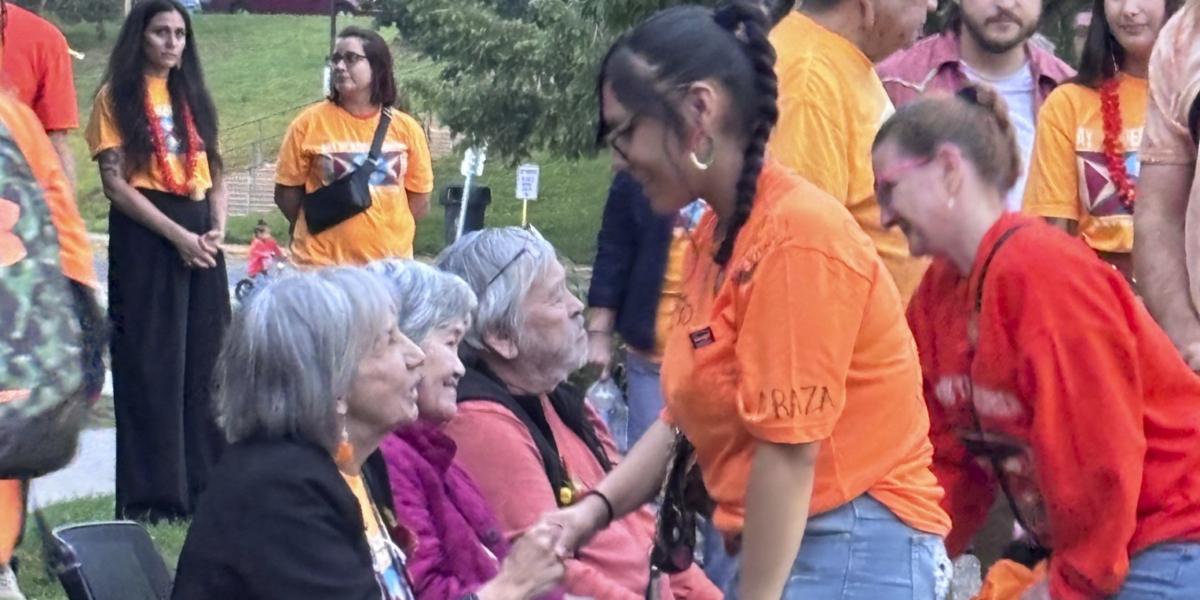 This week, the community gathers to honor boarding school survivors and a popular children’s book debuts as a play.
 - MNN Extended Interview: Bryan Bosto
 This week, we revisit producer Emma Needham’s interview with Bryan Bosto, who was recently inducted into the Minnesota Lacrosse Hall of Fame for the work he has done in growing the game in Native communities.
 - Dagwaagin Wiikonge’ (Fall Feast) at AICHO, and the New President at Leech Lake Tribal College
 This week, we visit a Fall Feast in Duluth, and we meet the new President of Leech Lake Tribal College.
Subscribe to Minnesota Native News in your favorite podcast app


 What’s Next for The Circle News, and the Zeitgeist Film Festival