
This week, an uptick of Native political candidates in Minnesota and a pipeline that is planned to cut across an important sacred site.
Executive Producer: Travis Zimmerman
Producers: Deanna StandingCloud and Chaz Wagner
Anchor: Marie Rock
Editorial support: Victor Palomino, Emily Krumberger
Mixing & mastering: Chris Harwood
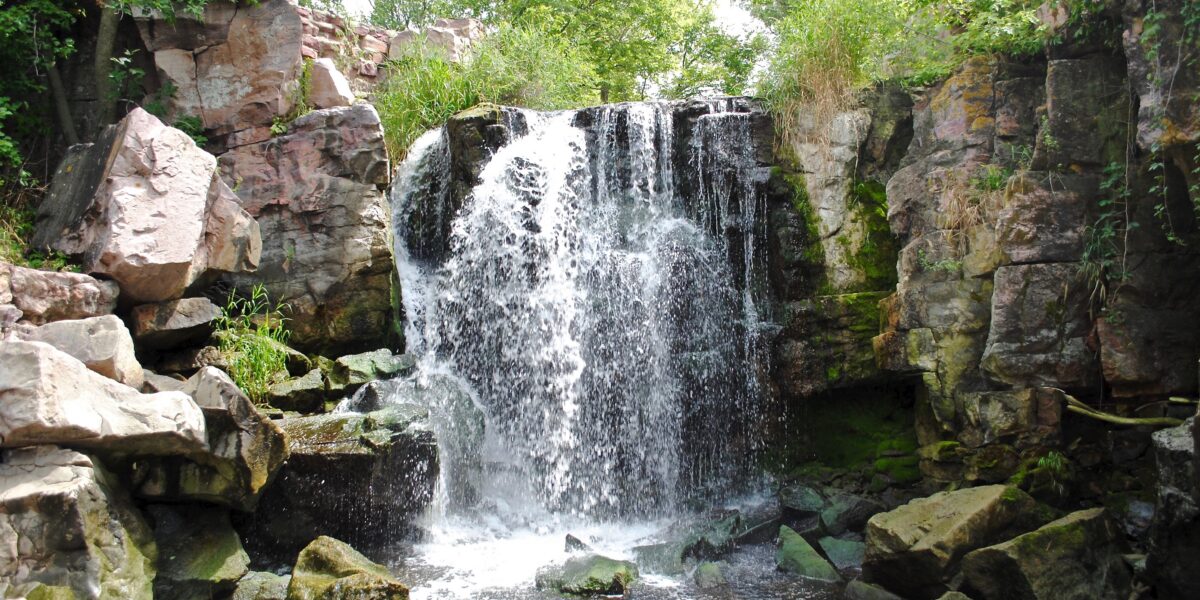
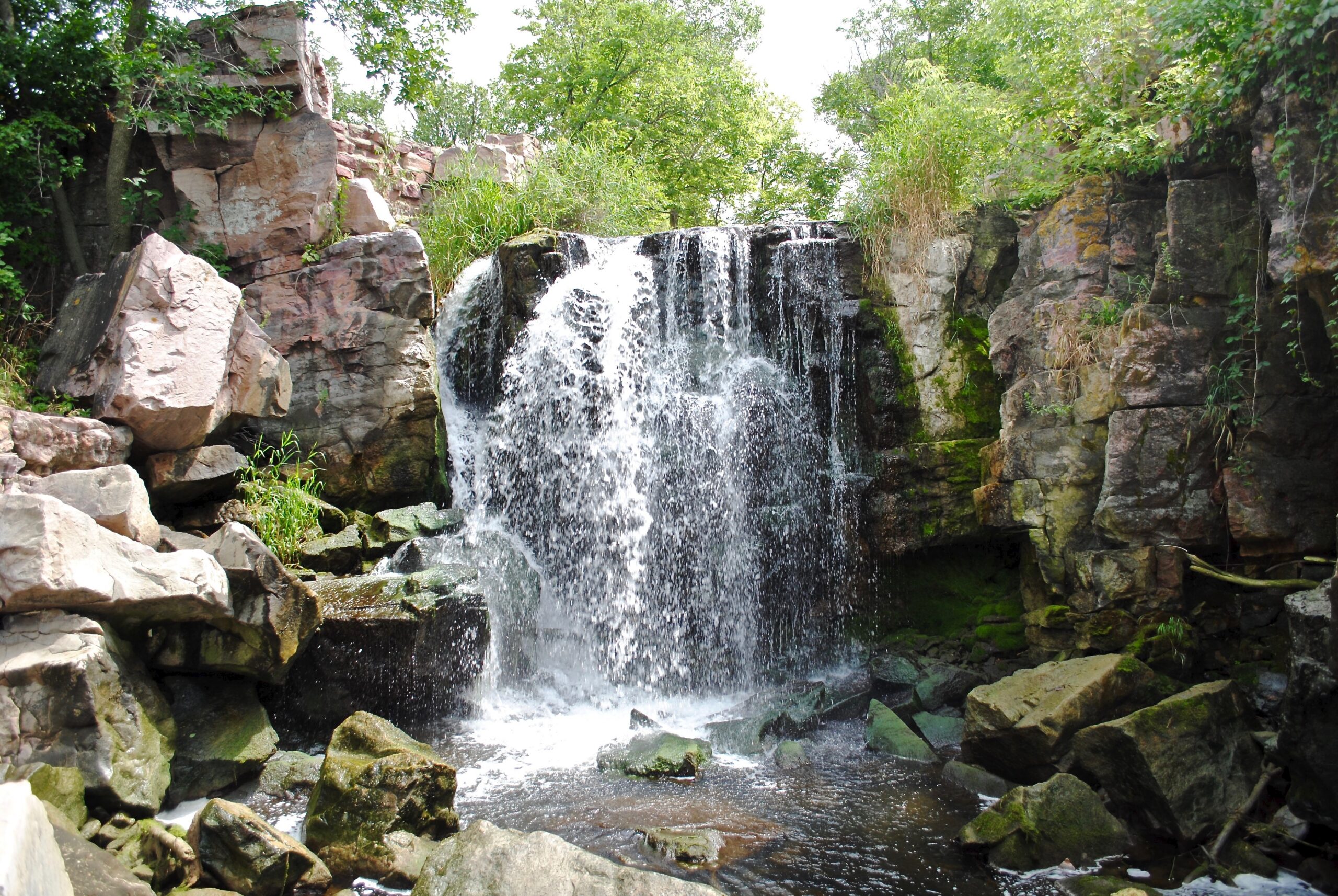
Image: Winnewissa Falls, is in Pipestone National Monument, located in southwestern Minnesota. [photo Credit: Adobe Stock]
—–
For the latest episode drops and updates, follow us on social media.
Never miss a beat. Sign up for our email list to receive news, updates and content releases from AMPERS. ampers.org/about-ampers/staytuned/
This show is made possible by community support. Due to cuts in federal funding, the community radio you love is at risk. Your support is needed now more than ever. Donate now to power the community programs you love: ampers.org/fund
TRANSCRIPT
[Minnesota Native News theme]
Marie Rock: For Minnesota Native News, I’m Marie Rock. This week, an uptick of Native political candidates in Minnesota and a pipeline that is planned to cut across an important sacred site. First, reporter Deanna StandingCloud interviews community members about the importance of Native representation in political races.
Deanna StandingCloud: Earlier this month, Citizen of the White Earth Nation and Lieutenant Governor Peggy Flanagan won the Democratic Senate primary.
Peggy Flanagan: This campaign was about the many versus the money.
Deanna StandingCloud: She joins a growing number of Native candidates across the state on the ballot this election season.
Alfred Walking Bull: The important thing about having so many Native folks run for office is that to remember that tribal nations first are sovereign nations, and the more citizens that we have running and winning elections at all levels of government is a good thing for tribes because it reinforces tribal sovereignty.
Deanna StandingCloud: Alfred Walking Bull is Sičhą́ǧu Lakóta from Rosebud, South Dakota, and currently the development director for Tending the Soil, a Twin Cities-based nonprofit. He was a delegate for Minnesota’s DFL convention in May.
Alfred Walking Bull: So I think it’s really important for Native people to be running for every level of office. It’s important for people to be voting and supporting other Native candidates.
Deanna StandingCloud: Like Alfred, Renee Belanger, a citizen of the Red Cliff Band of Lake Superior Ojibwe and owner of Creative Native Beadwork, is passionate about supporting Native voices.
Renee Belanger: It’s just been super important as we’ve seen all of the craziness that’s happening in our world right now. It’s been more important than ever to get involved. It’s of course important for Native people because again, we had been left out of the conversation for so long.
Alfred Walking Bull: I think the first thing that Native folks, young Native folks can do to feel proactive is to remember that you have a place in this process. And it is older than the government that surrounds us.
Deanna StandingCloud: To register to vote and to find your polling place ahead of the November 3rd election, visit sos.mn.gov. For Minnesota Native News, I’m Deanna Standing Cloud.
Marie Rock: Next, Chaz Wagner hears about concerns that native communities have about a pipeline proposed near sacred pipestone quarries.
Chaz Wagner: For thousands of years, indigenous people have come to what is now known as Pipestone National Monument to quarry red stone, known as Catlinite, and used for making their ceremonial pipes. Pascal Quarrella is the president for the keepers of the sacred tradition of pipe makers and member of the Cherokee Nation.
Pascal Quarrella: Pipes are one of the tools used by natives to connect the spirits, send their prayers and be used for various ceremonies.
Chaz Wagner: The Magellan Pipeline Company is seeking permission to reroute approximately 3/4 of a mile just north of Pipestone National Monument. But tribal governments and indigenous organizations say moving the pipeline outside the monument does not eliminate the threat.
Cheyanne St. John: Definitely a sacred location. There is a lot of spiritual and cultural significance associated with the Pipestone area.
Chaz Wagner: Cheyanne St. John is the tribal historic preservation officer and tribal member for the lower Sioux.
Cheyanne St. John: We share that geographic location and it’s not entirely understood how profound those risks can impact communities.
Chaz Wagner: Magellan considered permanently shutting down the pipeline. However, the United States Environmental Protection Agency recently mandated that two special grades of gasoline that are not currently accessible in Minnesota be made available. If the pipeline is not restored to service, it would cause fuel shortages and increase gasoline prices in the region.
Cheyanne St. John: It really fortifies the responsibility that we have as cultural stewards to that landscape in particular. So being so close in proximity to it really allows us to keep a closer eye on the happenings and the potential impacts on cube pipestone.
Chaz Wagner: The Minnesota Public Utilities Commission has required an additional cultural and archaeological review, including consultation with tribal historic preservation offices. For Minnesota Native News, I’m Chaz Wagner.
[Music: Minnesota Native News Theme]
Marie Rock: That’s all for this week’s episode. Join us next time for more voices and stories. Minnesota Native News is produced by AMPERS, Minnesota’s Community Radio Stations, made possible by funding from the Minnesota Arts and Cultural Heritage Fund and the citizens of Minnesota.
More from Minnesota Native News
- Dagwaagin Wiikonge’ (Fall Feast) at AICHO, and the New President at Leech Lake Tribal College
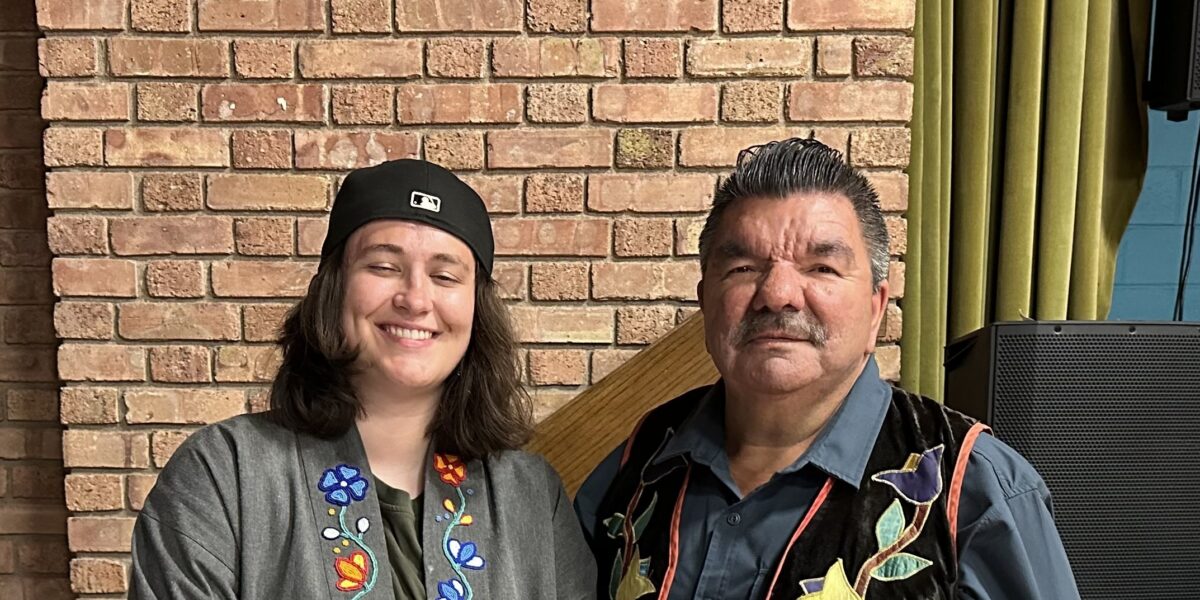 This week, we visit a Fall Feast in Duluth, and we meet the new President of Leech Lake Tribal College.
 - Tribal Flags at the Military Museum, and NativeCare Opens Dispensary in Maplewood
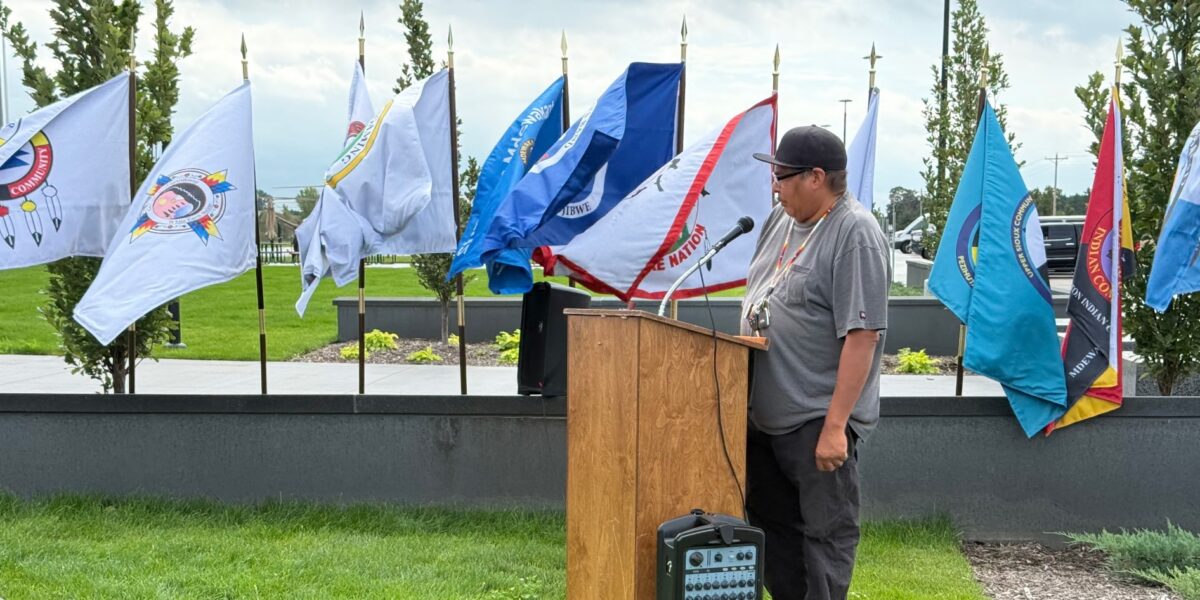 This week, a new military museum honors tribal veterans with a flag ceremony, and the state’s tribes continue to expand their cannabis initiatives.
 - MNN Extended Interview: Tom B.K. Goldtooth
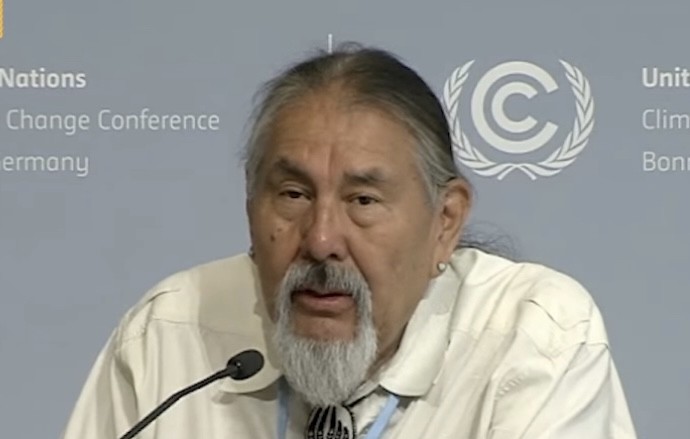 This week, we look back at Dan Ninham’s interview with Indigenous Environmental Network Executive Director Tom B.K. Goldtooth as he discusses rights for Indigenous communities advocating for a transition away from a fossil fuel economy.
Subscribe to Minnesota Native News in your favorite podcast app


 The Bush Foundation Funds Ojibwe Language Preservation, and the Shakopee Mdewakanton Sioux Community Invests in Grand Victoria Development