


This week, an extended conversation from a past segment about the traditional methods of harvesting and processing wild rice.
—–
Producer: Chandra Colvin
Editing: Britt Aamodt
Anchor: Marie Rock
Mixing & mastering: Chris Harwood
Never miss a beat. Sign up for our email list to receive news, updates and content releases from AMPERS. ampers.org/about-ampers/staytuned/
This show is made possible by community support. Due to cuts in federal funding, the community radio you love is at risk. Your support is needed now more than ever. Donate now to power the community programs you love: ampers.org/fund
TRANSCRIPT
[Music: Minnesota Native News Theme]
Marie Rock [ANCHOR]: Welcome to Minnesota Native News. I’m Marie Brock. This week, we hear an extended conversation from a past segment. Robert Rice, White Earth Nation citizen and owner of Powwow Grounds talks to producer Chandra Colvin about the traditional methods to harvest and process wild rice.
Robert Rice: My name is Robert Rice, I’m from the White Earth Nation. I am the owner of Powwow Grounds. Well, I started the copy shop in 2011. Most Minnesotans probably know about wild rice. They probably don’t know what it takes to harvest and finish all the rice and how much work it is. I started when I was 12. This year was my 50th year. I go with my family and cousins, it’s one of the ways that we keep in touch.
We rice in a large area depending on where the rice is. You know, some years rice won’t be in certain areas or it’ll be there, but you won’t get a good harvest out of it. So we look for areas like they’ll be a bountiful amount. Now, there are differences between White Earth and Leech Lake and Boy’s Fort, and some will be a little more muddy, some will be longer grain, so there are some differences there. There are some that you can pop, and what I mean by popping is that just like popcorn, people pop the wild rice and then put it on a salad.
Wild rice is several different genetic mutations that grow together, and some years it’ll grow good because of this strain, you know, so there’s different strains that will grow. Now, what the University of Minnesota did back in the ’70s, I believe it was probably the ’70s, is they found a particular strain. They didn’t genetically modify it, but they found a particular strain that would grow in just about any type of weather, so you could actually plant it to farm it. They began doing that, and pretty soon the price dropped out of the wild rice, and all of the money that we would earn for school clothing and stuff like that kind of went away. You couldn’t get much for it, but we were getting it for ourselves anyway, so we weren’t selling it. We were getting it for our own food. And anyway, the difference that I see is the flavor of the rice cooking time. You know, I’d rather get good hand-harvested wild rice, and you can tell the difference. So if you see wild rice in the store, they usually say cultivated, and it’s like just black. And that to me isn’t wild rice.
This year we brought up my sister and my cousin and brought them ricing. There’s usually two people to a team, and you have a canoe, about a 17, 18-foot-long pole, and 30-inch cedar poles or knockers or flails, if you want to call them that. One person stands up in the back of the canoe and pushes you through the rice, whereas the other person knocks the rice into the canoe. Some lakes, they have different times, but it’s usually 9 to 3. So you work that six hours and you’re going to get up early, get out on a lake, knock the rice, clean the rice, bag it up, bring it back, lay it out, dry it for three days. We do the parching, the dancing, but we don’t dance. We have a machine that we made to knock the hull out of the kernel of rice, and then we put in another machine that takes out the hull, the dust, basically. I can’t think of a year that I haven’t had wild rice that we’ve picked. Unfortunately, I was blessed with the name “Rice” for a last name, so I guess I’m stuck with it.
Marie Rock: That’s all for this week’s episode. Join us next time for more voices and stories that inform, uplift, and shape our communities, right here on Minnesota Native News.
[Music: Minnesota Native News Theme]
Marie Rock: Minnesota Native News is produced by AMPERS: Diverse Radio for Minnesota’s Communities. Made possibly by funding from the Minnesota Arts and Cultural Heritage Fund and the citizens of Minnesota.
More from Minnesota Native News
- Dagwaagin Wiikonge’ (Fall Feast) at AICHO, and the New President at Leech Lake Tribal College
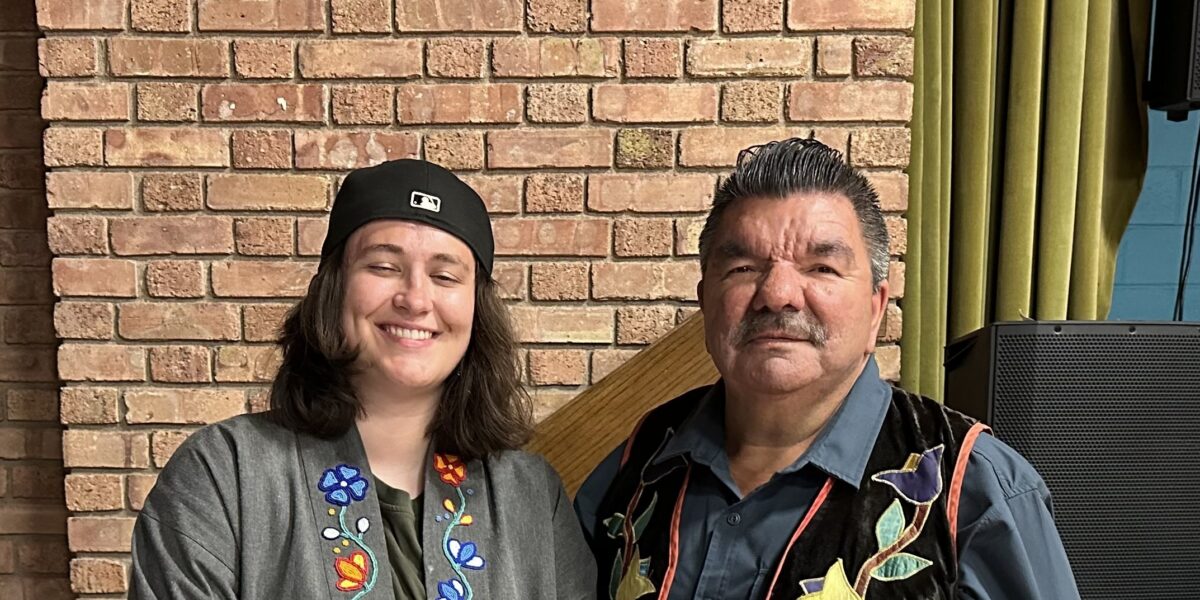 This week, we visit a Fall Feast in Duluth, and we meet the new President of Leech Lake Tribal College.
 - Tribal Flags at the Military Museum, and NativeCare Opens Dispensary in Maplewood
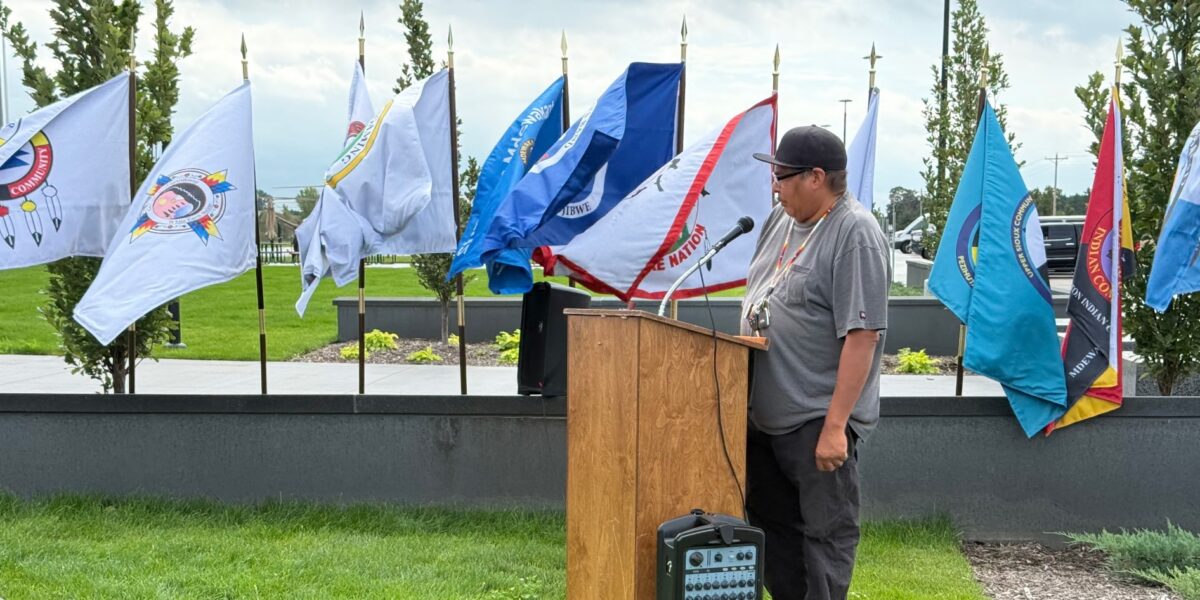 This week, a new military museum honors tribal veterans with a flag ceremony, and the state’s tribes continue to expand their cannabis initiatives.
 - MNN Extended Interview: Tom B.K. Goldtooth
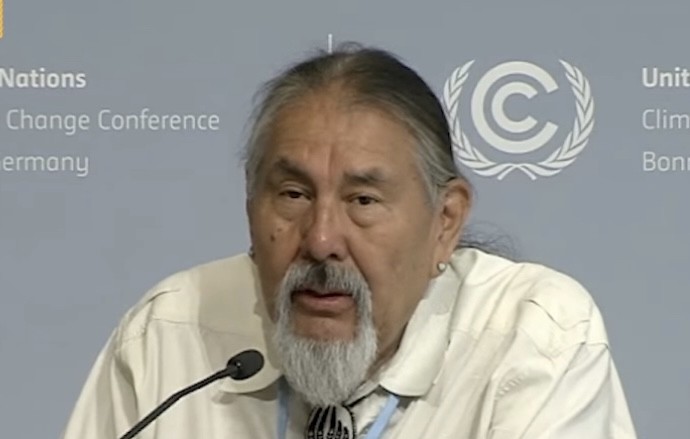 This week, we look back at Dan Ninham’s interview with Indigenous Environmental Network Executive Director Tom B.K. Goldtooth as he discusses rights for Indigenous communities advocating for a transition away from a fossil fuel economy.
Subscribe to Minnesota Native News in your favorite podcast app


 Corey Medina & Brothers Play New Years Eve & Release New Music. Plus, an Extended Interview with Lisa Bellanger