
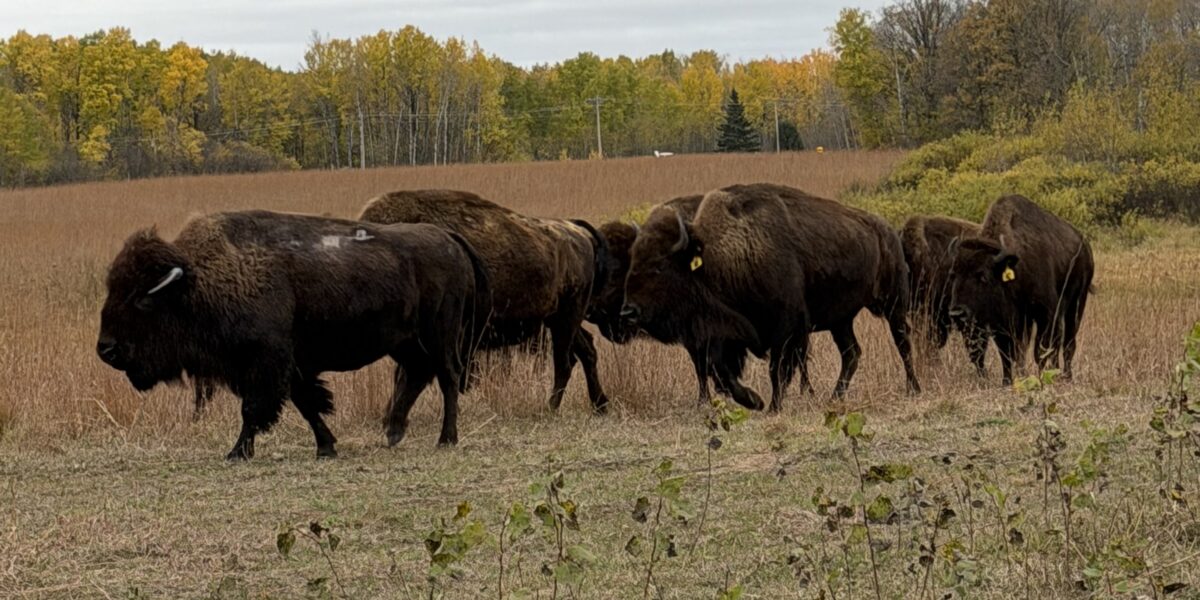
This week, Red Lake Nation’s efforts to transfer back public portions of Upper Red Lake garners support at the Minnesota DFL Convention, and White Earth Nation expands the harvest from its bison herd.
Producers: Chaz Wagner, CJ Younger
Editor: Chaz Wagner, CJ Younger
Anchor: Marie Rock
Editorial support: Victor Palomino, Emily Krumberger
Mixing & mastering: Chris Harwood
—–
For the latest episode drops and updates, follow us on social media.
Never miss a beat. Sign up for our email list to receive news, updates and content releases from AMPERS. ampers.org/about-ampers/staytuned/
This show is made possible by community support. Due to cuts in federal funding, the community radio you love is at risk. Your support is needed now more than ever. Donate now to power the community programs you love: ampers.org/fund
TRANSCRIPT
[Minnesota Native News theme]
Marie Rock: You’re listening to Minnesota Native News. I’m Marie Rock. This week, a debate on an 1889 agreement involving Upper Red Lake sees a new update at the recent Minnesota DFL convention. And the White Earth Nation is harvesting meat from its bison. First, producer Chaz Wagner talked to a tribal leader and state official about the future of the waters of Upper Red Lake.
Chaz Wagner: The waters of Upper Red Lake have long been home to the Red Lake Band of Ojibwe. At last month’s Minnesota Democratic Farmer Labor, or DFL convention, delegates from around the state passed a resolution affirming treaty rights. The resolution specifically names returning the eastern half of Upper Red Lake and the Red Lake State Forest to the tribe.
Sen. Mary Kunesh: This is not a new request or demand from the tribe, the Red Lake Band. And it came to the legislature two years ago.
Chaz Wagner: Senator Mary Kunish represents parts of Ramsey, Hennepin, and Anoka counties. Red Lake Nation petitioned and worked with her to propose the And
Sen. Mary Kunesh: The gist of that bill was to require the Minnesota Department of Natural Resources to transfer state lands, not private lands, that are within a one-mile buffer around the Upper Red Lake and inside the Red Lake State Forest back to the band.
Chaz Wagner: Opponents say the proposal raises major concerns about public access to hunting and fishing.
Joe Plumer: Non-native fishermen will still be able to access the portion of the Upper Lake that they are able to get to now. This only pertains to the state-owned lands.
Chaz Wagner: Joe Plumer is legal counsel for the Red Lake Nation. He says that the dispute about Upper Red Lake goes back to 1889.
Joe Plumer: Well, it was the 1889 agreement that was made between the chiefs and what’s known as the Chippewa Commission. And in order that they wouldn’t be misunderstood, the chiefs literally drew what they were reserving as the reservation. And it included both lakes and the lands around it.
Chaz Wagner: While delegates at this year’s DFL convention supported the return of public sections of Upper Red Lake, Senator Kunish is cautiously optimistic that the state legislature will hear a similar bill again when it returns to session in January. For Minnesota Native News, I’m Chaz Wagner.
Marie Rock: Next, White Earth Nation is solving a food crisis with an ancestral tradition. Producer C. J. Younger has the story.
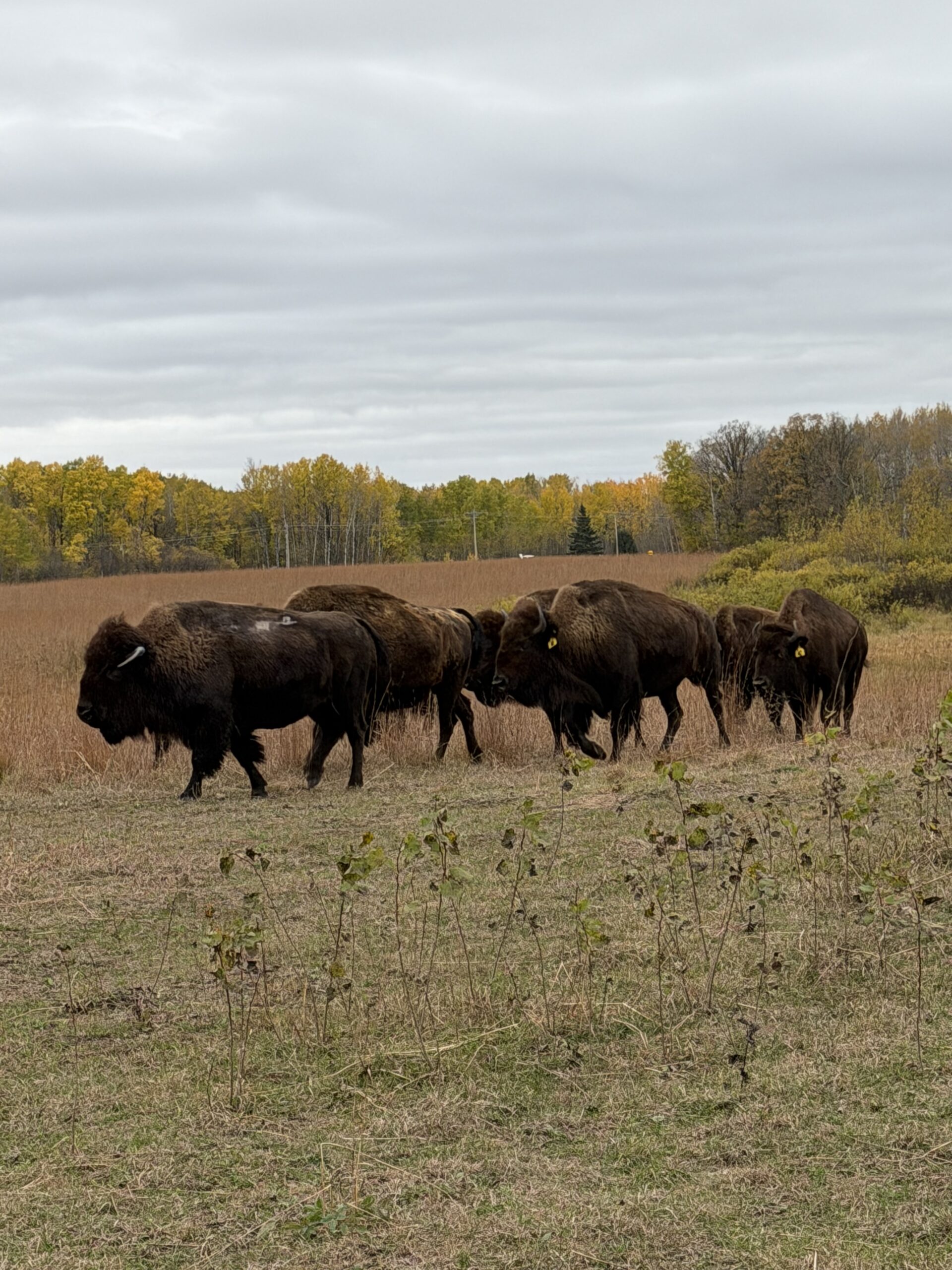
CJ Younger: In just two years, the White Earth Nation’s bison program has grown from 4 to 55 bison. They welcomed 45 new bison last year from the Inter-Tribal Buffalo Council’s annual surplus program, including 16 harvest animals. And in April, they began harvesting meat from 2 bison a month.
Jack Heisler: The vast majority is right now going elder nutrition program.
CJ Younger: That’s Jack Heisler, White Earth’s bison foreman and White Earth Nation first-generation descendant.
Jack Heisler: That meat is very nutritious. Some of the intentions are to provide a healthier protein source for people, possibly reducing some diabetes numbers.
CJ Younger: The meat is processed at B&T Meats in Waban. Some of the meat is reserved for powwows and ceremonies. A community harvest is in the works for later this year after the success of last year’s event.
Jack Heisler: Everybody participated. Nearly everything from that animal was used, from medicinal uses, traditional different uses. There was nothing left at the end of that day.
CJ Younger: The program was a dream for many years and began to take shape after challenges faced during the pandemic.
Jack Heisler: We need to start doing more sustainable food sources right here within our own boundaries and food sovereignty and security.
CJ Younger: With 55 bison and more calves being born, the available pastures and resources are close to capacity, sparking conversations around expanding the program. White Earth is also working closely with the United States Department of Agriculture’s Natural Resources Conservation Service to gather data on the impacts of returning bison, a key species in prairie ecosystems, a key species in prairie ecosystems to their native prairies.
Jack Heisler: They’re a resilient, very resilient animal and often referred to in native country as our relative. Native people are resilient people.
CJ Younger: For Minnesota Native News, I’m CJ Younger. Marie Rock: That’s all for this week’s episode. Join us next time for more voices and stories that inform, uplift and shape our communities right here on Minnesota Native News.
[Music: Minnesota Native News Theme]
Marie Rock: Minnesota Native News is produced by AMPERS: Diverse Radio for Minnesota’s Communities. Made possible by funding from the Minnesota Arts and Cultural Heritage Fund and the citizens of Minnesota.
More from Minnesota Native News
- MNN Extended Interview: Matthew RantanenThis week we look back at an interview producer Emma Needham did with Matthew Rantanen, descendant of the Cree Nation, about the work he is doing to bridge the digital divide in tribal lands.
- Day of Remembrance Honoring Boarding School Survivors, and Bowwow Powwow on Stage
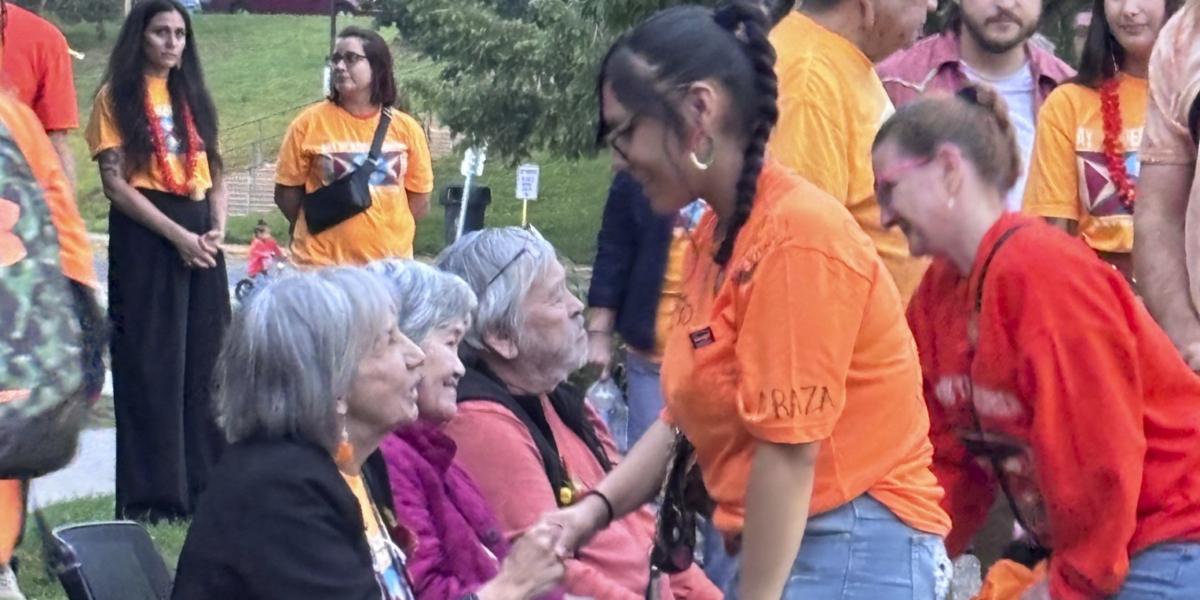 This week, the community gathers to honor boarding school survivors and a popular children’s book debuts as a play.
 - MNN Extended Interview: Bryan Bosto
 This week, we revisit producer Emma Needham’s interview with Bryan Bosto, who was recently inducted into the Minnesota Lacrosse Hall of Fame for the work he has done in growing the game in Native communities.
Subscribe to Minnesota Native News in your favorite podcast app


 Alleged Harassment of Native Lacrosse Player Sparks a Look into Sports Culture; The Mille Lacs Indian Museum & Trading Post Celebrates 30 Years