
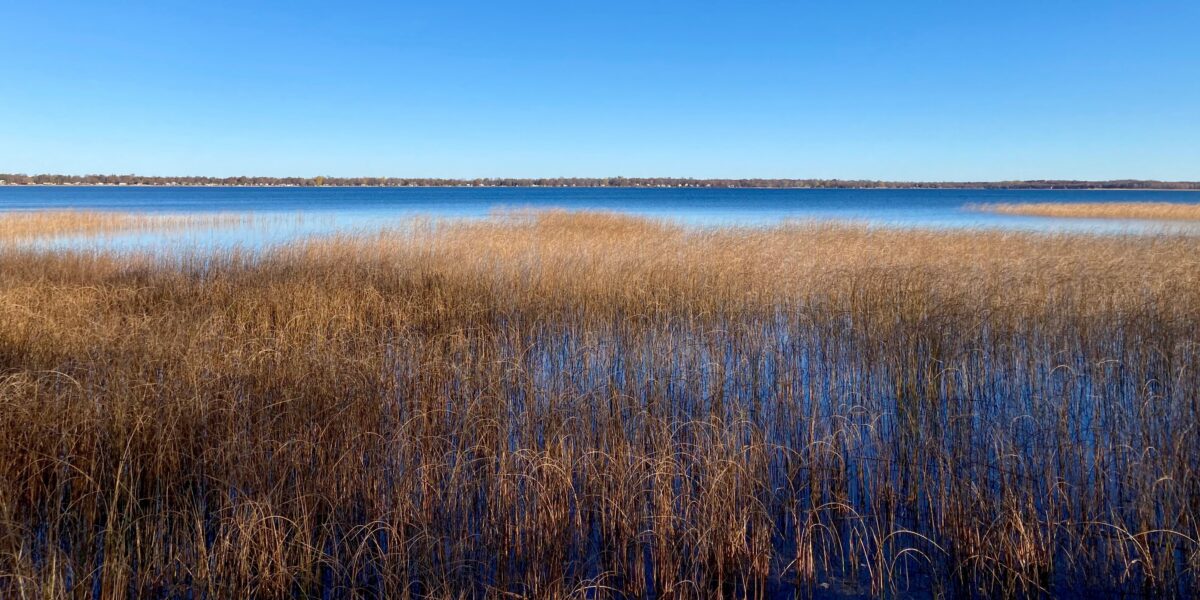
This week, we revisit reporter CJ Younger’s interview with Minnesota State Senator Mary Kunesh about why she is trying to pass legislation to protect the Minnesota state grain, wild rice.
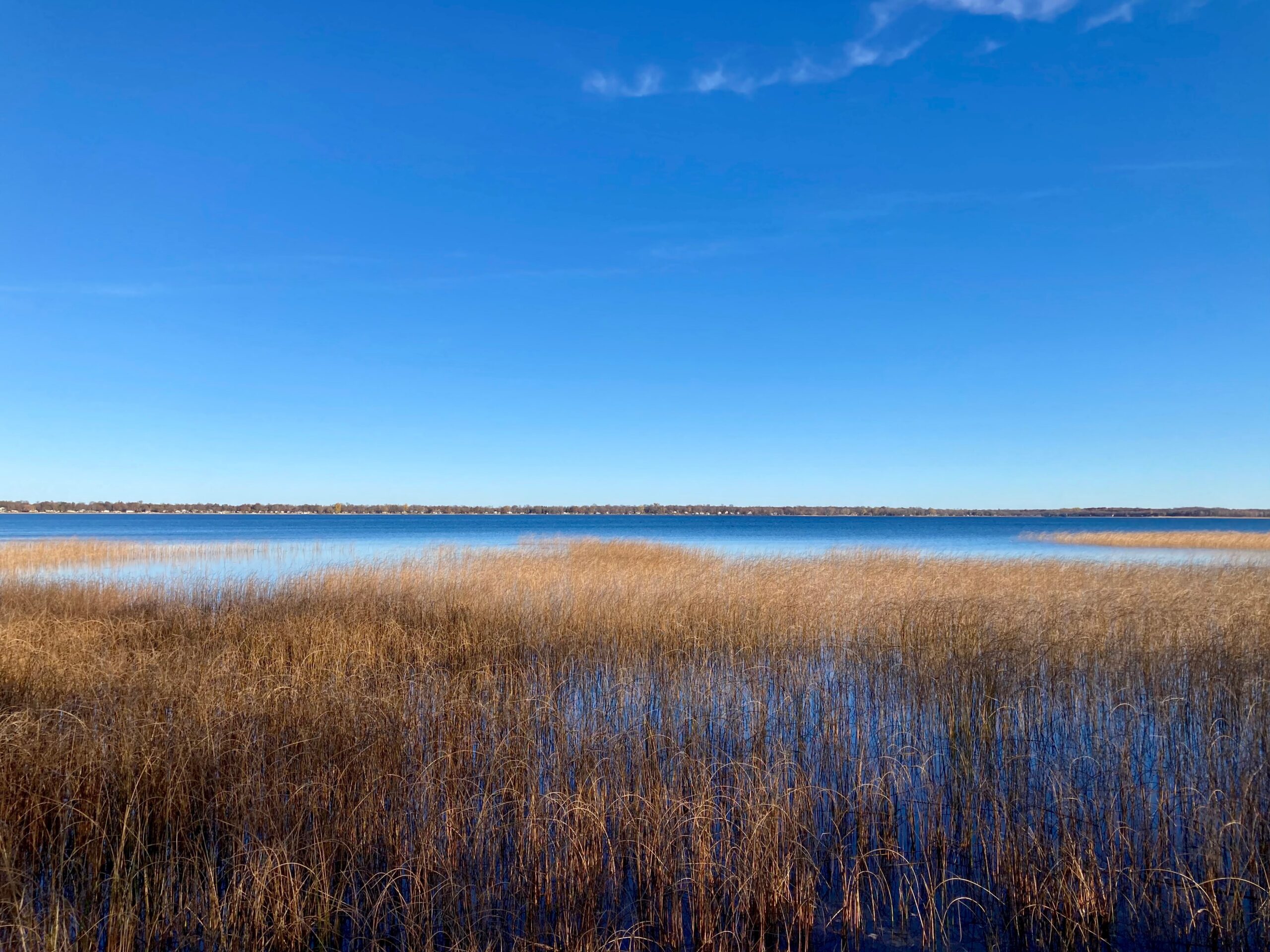
Image caption: Lake Landscape in Minnesota [Image Credit: Adobe Stock]
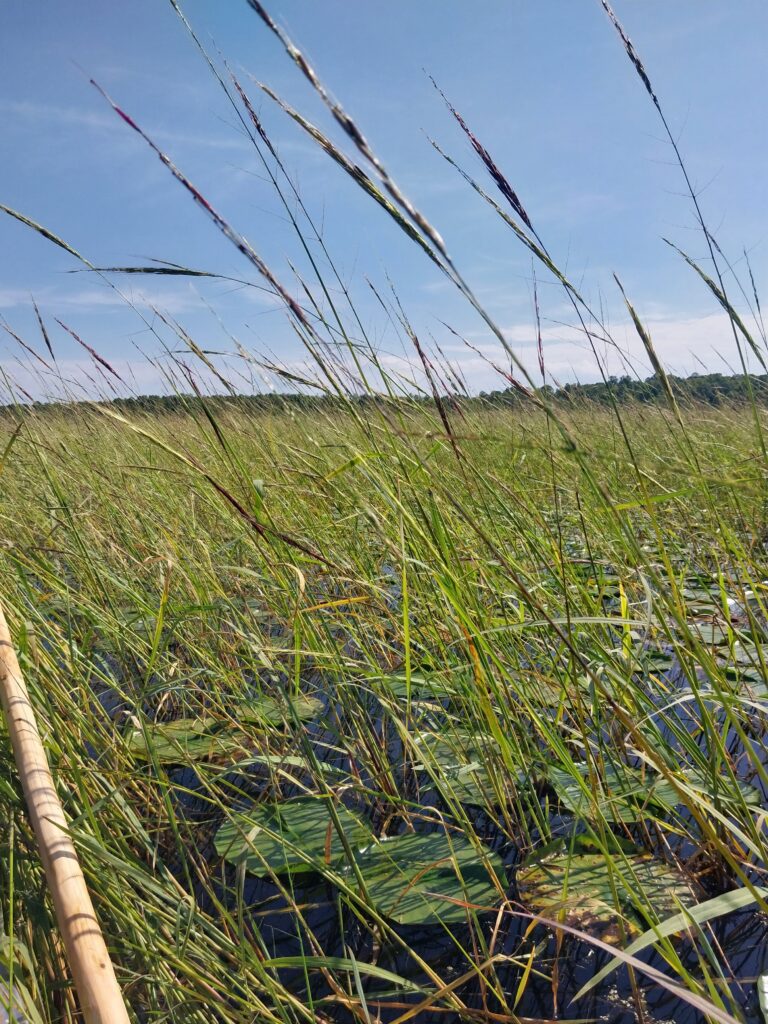
Image caption: manoomin beds [Image Credit: annonymous]
Executive Producer: Travis Zimmerman
Producer: CJ Younger
Anchor: Marie Rock
Editorial support: Victor Palomino
Mixing & mastering: Chris Harwood
—–
For the latest episode drops and updates, follow us on social media.
Never miss a beat. Sign up for our email list to receive news, updates and content releases from AMPERS. ampers.org/about-ampers/staytuned/
This show is made possible by community support. Due to cuts in federal funding, the community radio you love is at risk. Your support is needed now more than ever. Donate now to power the community programs you love: ampers.org/fund
TRANSCRIPT
[Minnesota Native News theme]
Marie Rock: For Minnesota Native News, I’m Marie Rock. This week, we revisit reporter C.J. Younger’s interview with Senator Mary Kunesh about why she is trying to pass legislation to protect the Minnesota state grain, wild rice.
CJ Younger: Can you share more about the relationship that Native people have with wild rice?
Senator Mary Kunesh: Well, wild rice has a very unique relationship or I should say the indigenous communities, and Indian country has a very unique relationship with wild rice, recognizing that it is not only a super grain, but it also has very strong sacred spiritual and physical connections to the indigenous people of Minnesota and in other areas. It is the item that drew the Ojibwe and the Anishinaabe to Minnesota, that those folks were originally East Coasters. had an inspiration of sorts to move to where the food grows on the water. And as the Anishinaabe migrated from the east to the west, they happened upon the Great Lakes and the beautiful place that we now call Minnesota and found wild rice here and settled here and therefore recognize it as not only a substance that feeds their bodies but also recognize it as a spiritual entity into itself and is in need of great protection.
CJ Younger: There is just that divide of indigenous people who have this relationship with wild rice and as you’re saying, like understand its importance and people who aren’t indigenous who just see it as a plant. What steps are you taking to kind of try and bridge that divide and show them that this is more than a plant?
Senator Mary Kunesh: I believe it’s really important that we recognize the role that wild rice plays in our indigenous, our native community. You know, it’s hard to explain why it is so important and why we would champion a plant, you know, an ancient plant, a sacred plant. But if you don’t understand it in the way that through that indigenous lens, it’s really hard to recognize why a person would champion this or fight for this. But I just feel to my core that this is the proper thing to do. And of course, I have the indigenous community that is asking me as a state legislator to do this work. And so I will continue to educate, to discuss, to look for ways to incorporate this inherent right of our wild rice. not just because I’ve been asked to do, but because I think it’s really the right thing to do.
There are plenty of people that want to understand it, but just again, don’t understand the context of why it’s so important to establish that legal standing for wild rice. They understand the need to protect it from pollution, from climate impact, but They don’t have that sort of emotional, spiritual connection to it. They want to. There’s a lot of people out there that want to because they know it is the right thing for many different reasons. And so, when you ask what I’m doing about it is answering questions, reaching out to legislators to try to help them understand it better, to recognize, help them recognize why this proposed legislation really looks to create that relationship with wild rice as a living relative, which again is really hard for folks that haven’t been raised in it, who haven’t had this as their ancestral history.
Marie Rock: That’s all for this week’s episode. Join us next time for more voices and stories that inform, uplift, and shape our communities right here on Minnesota Native News.
[Music: Minnesota Native News Theme]Marie Rock: Minnesota Native News is produced by AMPERS, Minnesota’s Community Radio Stations, made possible by funding from the Minnesota Arts and Cultural Heritage Fund and the citizens of Minnesota.
More from Minnesota Native News
- Day of Remembrance Honoring Boarding School Survivors, and Bowwow Powwow on Stage
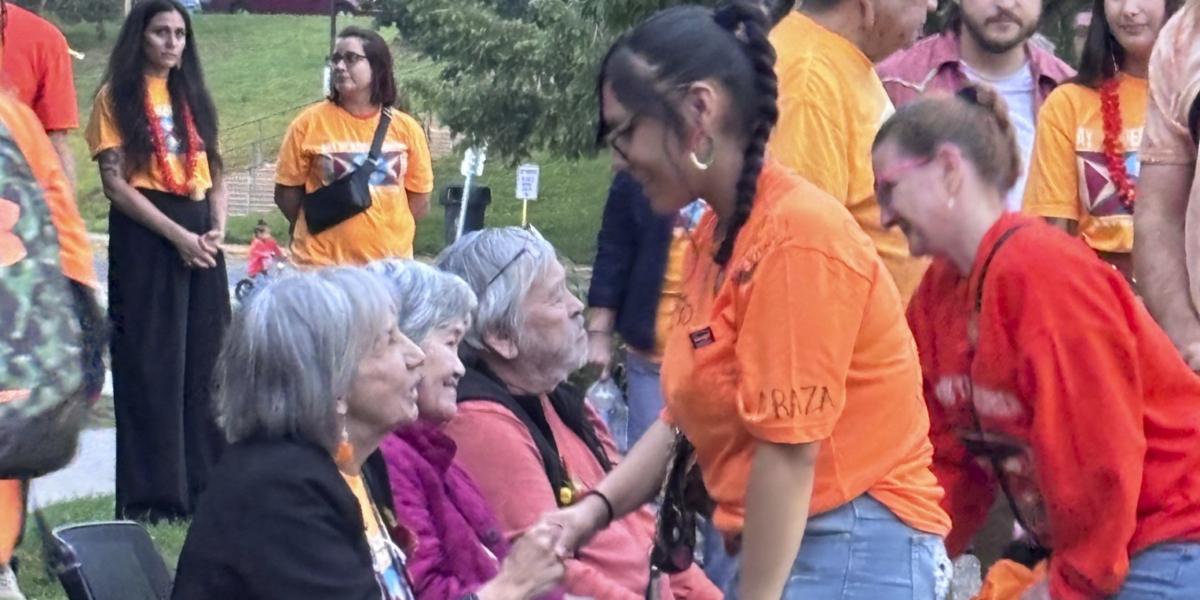 This week, the community gathers to honor boarding school survivors and a popular children’s book debuts as a play.
 - MNN Extended Interview: Bryan Bosto
 This week, we revisit producer Emma Needham’s interview with Bryan Bosto, who was recently inducted into the Minnesota Lacrosse Hall of Fame for the work he has done in growing the game in Native communities.
 - Dagwaagin Wiikonge’ (Fall Feast) at AICHO, and the New President at Leech Lake Tribal College
 This week, we visit a Fall Feast in Duluth, and we meet the new President of Leech Lake Tribal College.
Subscribe to Minnesota Native News in your favorite podcast app


 Rafael Gonzalez, aka, Tufawon: How a Minneapolis Rap Artist Learned How to Sing and Make a Difference