
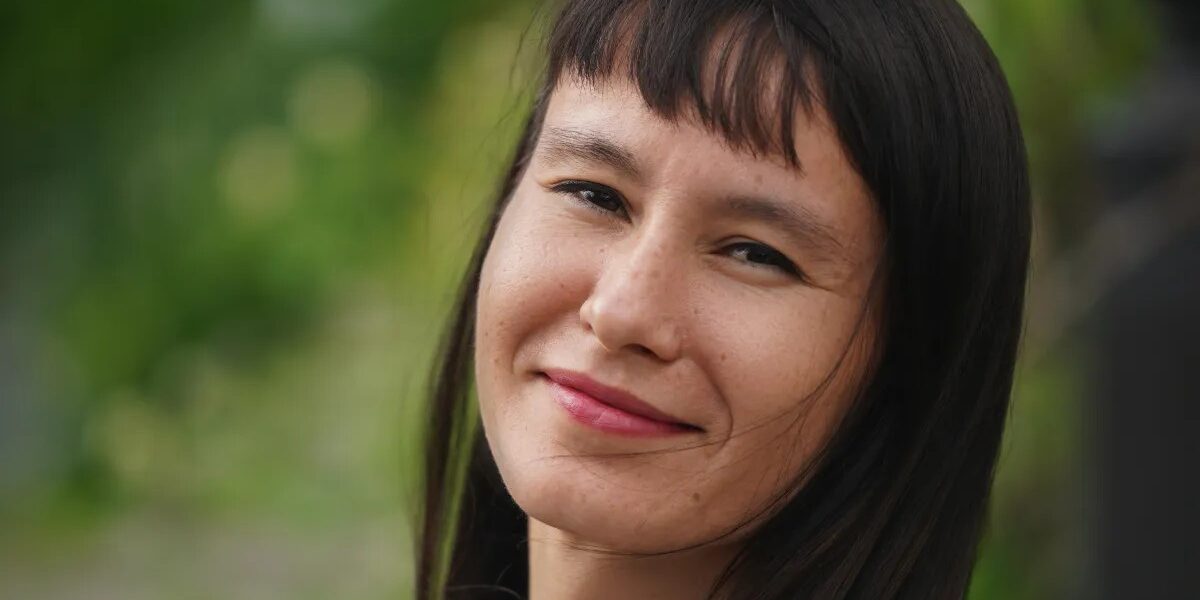
This week, a conversation with Red Lake Nation artist Tashia Hart about her work in last year’s exhibition Once Upon a Shore, an all-Indigenous exhibit at the Minnesota Marine Art Museum, the influence of tradition on her artistic process, and what it means to be an artist.
Producer: Dan Ninham
Editor: Victor Palomino
Anchor: Marie Rock
Mixing & mastering: Chris Harwood
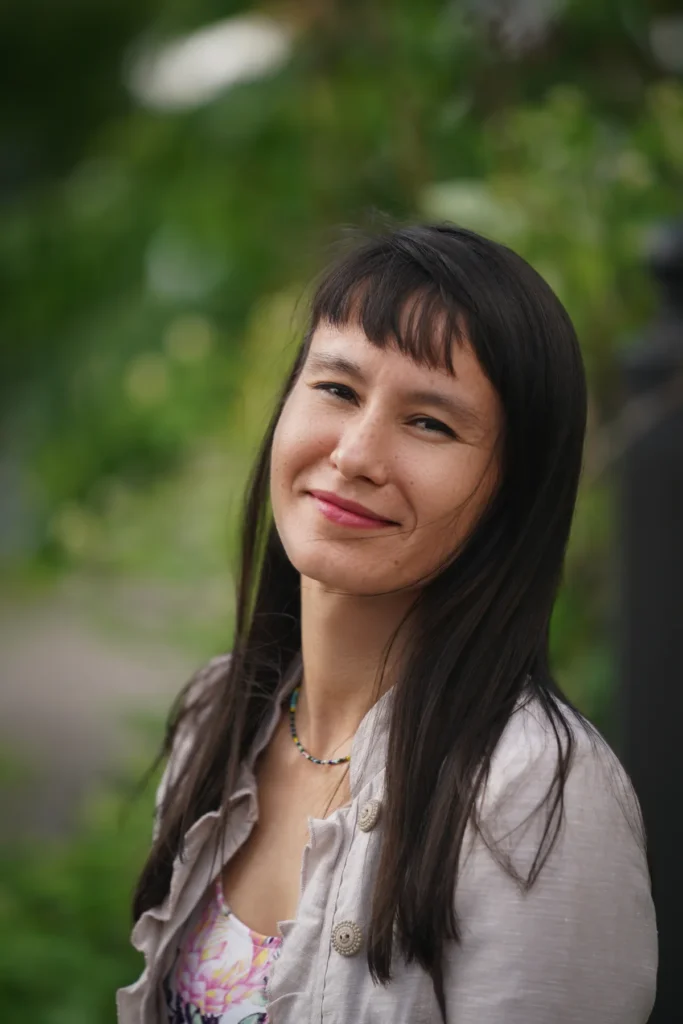
Image: Tashia Hart [credit: Tashia Hart]
—–
For the latest episode drops and updates, follow us on social media.
Never miss a beat. Sign up for our email list to receive news, updates and content releases from AMPERS. ampers.org/about-ampers/staytuned/
This show is made possible by community support. Due to cuts in federal funding, the community radio you love is at risk. Your support is needed now more than ever. Donate now to power the community programs you love: ampers.org/fund
TRANSCRIPT
[Minnesota Native News theme]
Marie Rock: You’re listening to Minnesota Native News. I’m Marie Rock. This week, we look back at producer Dan Ninham’s conversation with artist Tashia Hart about her work and last year’s exhibition, Once Upon a Shore, an all-Indigenous exhibit at the Minnesota Marine Art Museum, the influence of tradition on her artistic process, and what it means to be an artist.
Tashia Hart: My name is Tashia Hart. I’m a Red Lake Nation citizen living currently in Duluth, Minnesota. And I am a writer and artist, and a mom.
Dan Ninham: Can you walk us through the creative process for your pieces featured in the Once Upon a Shore art exhibition?
Tashia Hart: The pieces that are of mine that are included in there are three books. Those processes, you know, took the span of like five years or so. The Goodberry Cookbook, Gidji and the Wolves, and Native Love Jams. I have also a, it’s about a 12 by 12 inch beaded piece called Minuminake Gisus. And then I also have some photography of plants.
Dan Ninham: I’m thinking of the video short. Maybe talk a little bit more about that.
Tashia Hart: So that was the one piece that I created really specifically for that show. And I was very excited about it. And I had been working on this story for a while, Clay Woman Falls in Love with the Lake. And that inspiration for Clay Woman Falls in Love with the Lake came from living on the shore and going through all the emotions of what it’s like to, you know, be a human being and, you know, take in the energy and the sights and the life that is on the shore there. I love to combine the love and emotion with nature because that’s where I feel my own emotions most heightened is when I’m in nature and especially by lakes. I had been working on the short story for a while and I edited it and then I did the voiceover. When I proposed that piece to Hyde, I was saying, you know, I have this piece that I’ve been working on that is a short story, but it’s sort of, it’s like a mild erotica. She was all for it. Hyde’s not scared. That was very exciting for me to be able to merge my storytelling, which is, you know, part of the heritage, Anishinaabe heritage storytelling. And I kind of take it in my own route with that, but I’m definitely, you know, inspired and influenced by all the stories that I’ve heard growing up. I feel like good art, you know, for me, like, if it doesn’t make me a little nervous to have other people see it, then what am I doing it for, I guess?
Dan Ninham: Explain how your specific traditions or symbols you are revitalizing or reinterpreting in a modern context through your work.
Tashia Hart: The inspiration for the clay woman who falls in love with the lake, that’s heavily influenced by stories of Wayne Abujoo. That’s one of the traditions, the oral telling traditions that I wanted to bring into the medium of the video. I call it like a video tale. So it’s like bringing in an oral storytelling and then pairing it with images of the natural world.
Dan Ninham: What are the rewards and challenges of being an indigenous artist in the current art world?
Tashia Hart: Well, the reward is that it’s deeply gratifying. It’s also healing to medicine. All my art forms have a different kind of healing and that they bring into my life. Bead work is very calming. And when I need to expand my mind with writing, that’s when I do some writing. Being a self-employed creative is definitely a hustle. And sometimes it gets scary, you know, because you don’t know if you’re going to be able to pay your bill. Which another reward is that, you know, if you keep at it like you do, and that’s rewarding to be able to, you know, live, put food on your table and, you by doing what you love. I’m excited to make more video tales for one thing. And I have a few books in the works, a sci-fi rom-com and a paranormal rom-com. Also stories from the shore of Lake Superior. Right now, one of the projects that I’m working on is called Kid Epicurious. And it’s a wild food adventure comic picture book that should be done by the end of the year.
Marie Rock: That’s all for this week’s episode. Join us next time for more voices and stories that inform, uplift, and shape our communities right here on Minnesota Native News.
[Music: Minnesota Native News Theme]
Marie Rock: You can find Minnesota Native News on social media! Follow us on Facebook at Minnesota Native News and on Instagram and X at M-N Native News. Minnesota Native News is produced by AMPERS: Diverse Radio for Minnesota’s Communities. Made possible by funding from the Minnesota Arts and Cultural Heritage Fund and the citizens of Minnesota.
More from Minnesota Native News
- MNN Extended Interview: Ashley Cornforth
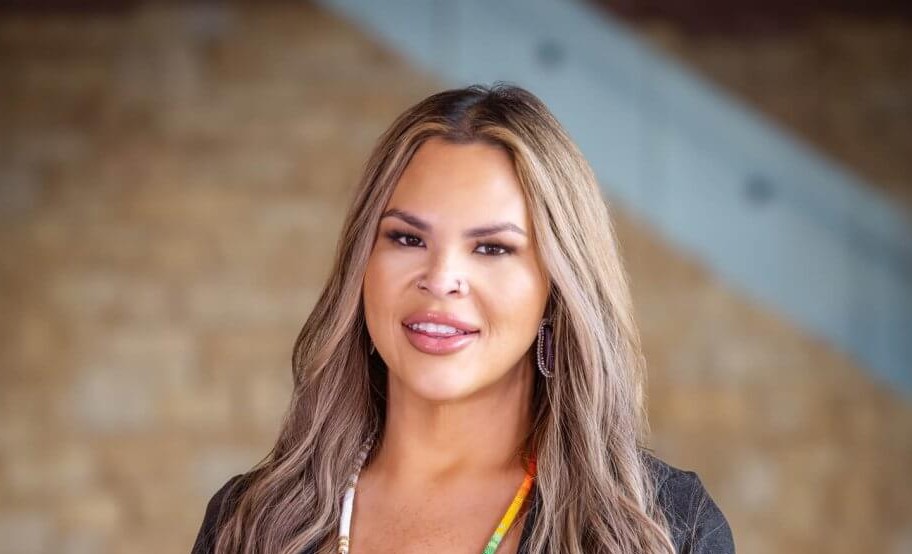 Ashley Cornforth, Secretary Treasurer for the Shakopee Mdewakanton Sioux Community, discusses the goals of the IndigeFit Kids Campaign, the coaching academy that was put on in partnership with the Notah Begay III Foundation, and upcoming events and programs.
 - An Update to Red Lake Nation’s Push to Transfer Back Upper Red Lake Public Lands, and White Earth Nation Expands Its Bison Harvest
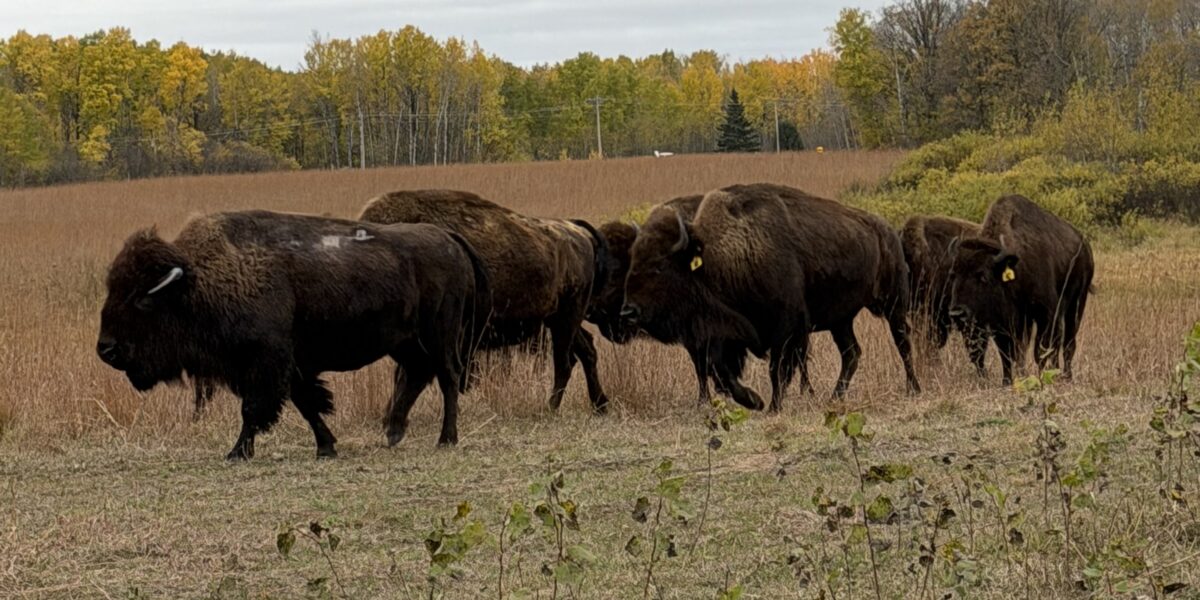 This week, Red Lake Nation’s efforts to transfer back public portions of Upper Red Lake garners support at the Minnesota DFL Convention, and White Earth Nation expands the harvest from its bison herd.
 - Alleged Harassment of Native Lacrosse Player Sparks a Look into Sports Culture; The Mille Lacs Indian Museum & Trading Post Celebrates 30 Years
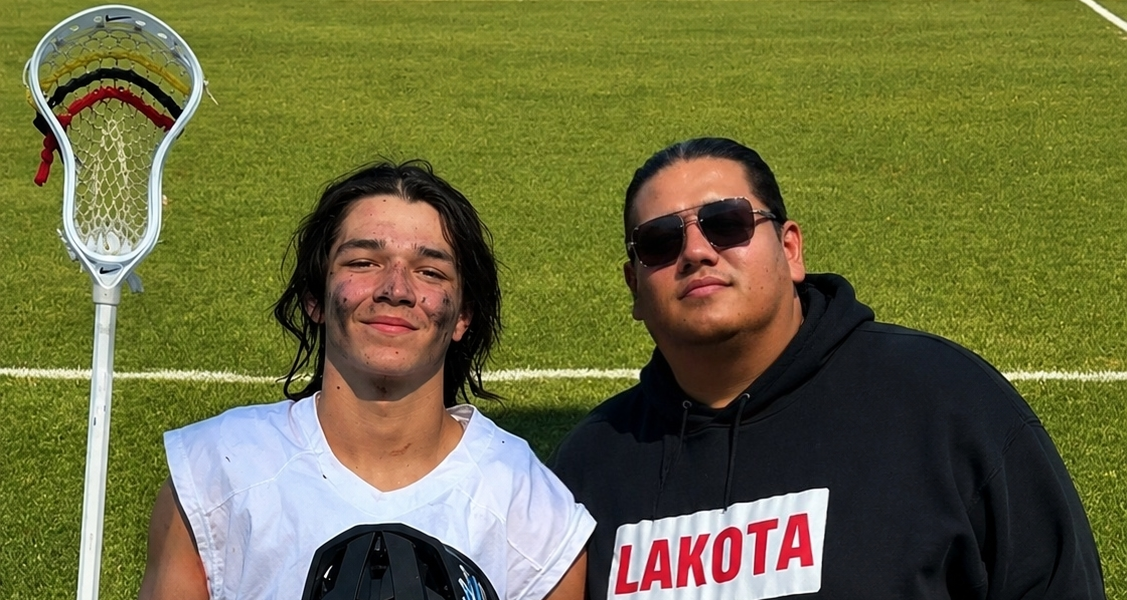 This week, an incident on a Minneapolis lacrosse field is raising questions about safety and respect in youth sports. And in Onamia, the Mille Lacs Indian Museum and Trading Post is marking 30 years with a community celebration.
Subscribe to Minnesota Native News in your favorite podcast app


 How the Boundary Waters Mining Ban Reversal Impacts Tribes, and This Year’s American Indian Month Kickoff in Minneapolis