

This week, a new state bill asks lawmakers to recognize the inherent right of wild rice to exist in Minnesota, and the Red Lake Urban Cultural Wellness Center, a space for health and fitness.
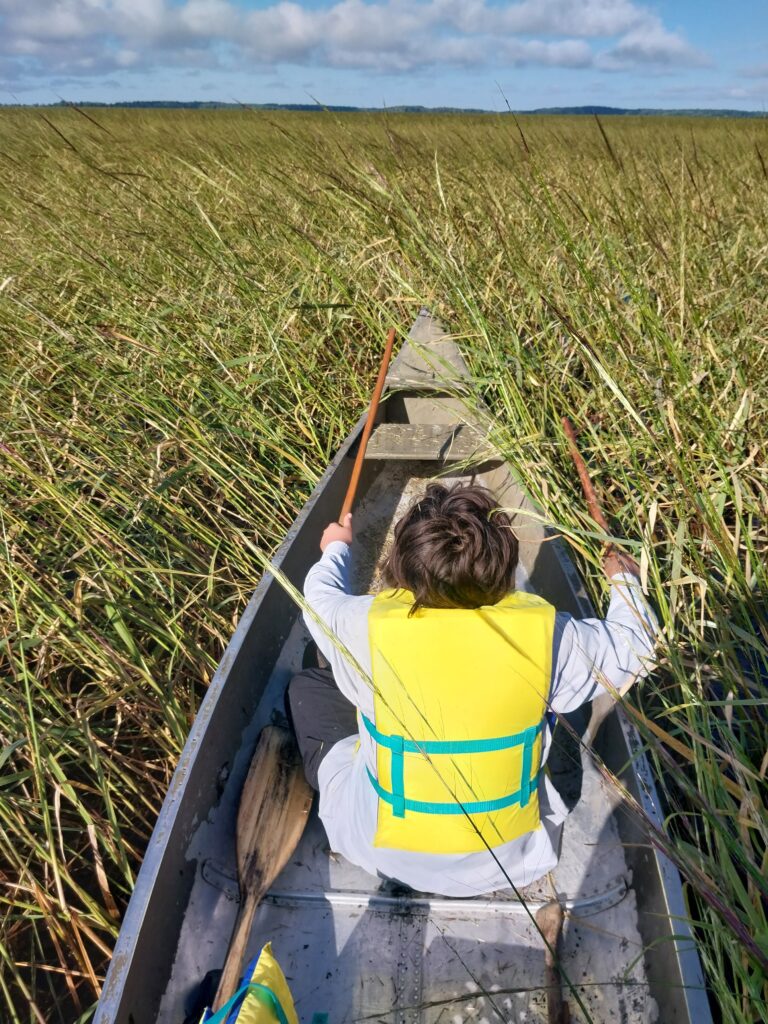
Producers: CJ Younger, Deanna StandingCloud
Additional editing: Victor Palomino
Anchor: Marie Rock
Mixing & mastering: Chris Harwood
Editorial support: Emily Krumberger, Victor Palomino
—–
For the latest episode drops and updates, follow us on social media.
Never miss a beat. Sign up for our email list to receive news, updates and content releases from AMPERS. ampers.org/about-ampers/staytuned/
This show is made possible by community support. Due to cuts in federal funding, the community radio you love is at risk. Your support is needed now more than ever. Donate now to power the community programs you love: ampers.org/fund
—–
TRANSCRIPT
[Minnesota Native News theme]
Marie Rock [ANCHOR]: You’re listening to Minnesota Native News. I’m Marie Rock.
This week, a new state bill asks lawmakers to recognize the inherent right of wild rice to exist in Minnesota, and we visit the Red Lake Urban Cultural Wellness Center, a space for health and fitness.
First, reporter C. J. Younger examines how language shapes the process of wild rice legislation.
CJ Younger: Proposed wild rice protections are back on the Senate floor this year, pieces of a larger bill from last year. One amendment would recognize the inherent right of wild rice to exist in Minnesota.
Sen Kunesh: By recognizing this, the state of Minnesota is stepping into a reciprocal relationship with the plant that has been our state grain for nearly 50 years.
CJ Younger: Senator Mary Kunesh proposed the amendment. She is a descendant of the Standing Rock Sioux tribe and the first indigenous woman to serve as a senator in Minnesota.
Sen Kunesh: Minnesota is already legally required by treaties to consider minumen and the waters it depends on, and this is just ensuring that this takes place going forward.
CJ Younger: At the hearing, Leech Lake Band of Ojibwe citizen Leanna Goose spoke in favor of the
Leanna Goose: Wild rice cares for us, and so we must care for wild rice. And that’s what this is about.
CJ Younger: The use of “inherent right to exist” for wild rice raised concerns at the hearing, especially from the government agencies most involved with wild rice management.
Tom Johnson: This could massively complicate agency decision-making.
CJ Younger: Tom Johnson is the government relations director for the Minnesota Pollution Control Agency.
Tom Johnson: It’s unclear how we would navigate the right of wild rice to exist and thrive, or what our obligation exactly would be.
CJ Younger: The term “inherent right” is not normally used in legislature to describe anything but people. Some senators questioned if recognizing the inherent right of wild rice would open the door for other species as well.
Jessica Intermill: Very few species actually show up in treaty languages.
CJ Younger: Jessica Intermil is a treaty rights attorney who helped draft the amendment rights attorney who helped draft the amendment language.
Jessica Intermill: Jessica Intermil is a treaty rights attorney who helped draft the amendment language. The only one that I know of in Minnesota is the 1837 treaty with the Chippewa that says that it guarantees the Ojibwe the right to gather the wild rice. Jessica Intermil is a treaty rights attorney . Jessica Intermil is a treaty rights attorney. Jessica Intermil is a treaty rights attorney, I can tell you that there’s a very clear species protection in a treaty that underlies the land of the state.
CJ Younger: The amendment will be considered for inclusion in a future bill this session. Jessica Intermil is a treaty rights attorney I can tell you that there is a very clear species protection in a treaty that underlies the land of this state. The amendment will be considered for Visit RiseAndRepair. org/Platform to track the different wild rice bills this session, which ends on May 18th. For Minnesota Native News, I’m CJ Younger.
Marie Rock: Next, reporter Deanna Standing Cloud takes us to an urban center focused on spiritual and physical healing.
[sound element: Powwow Drum]
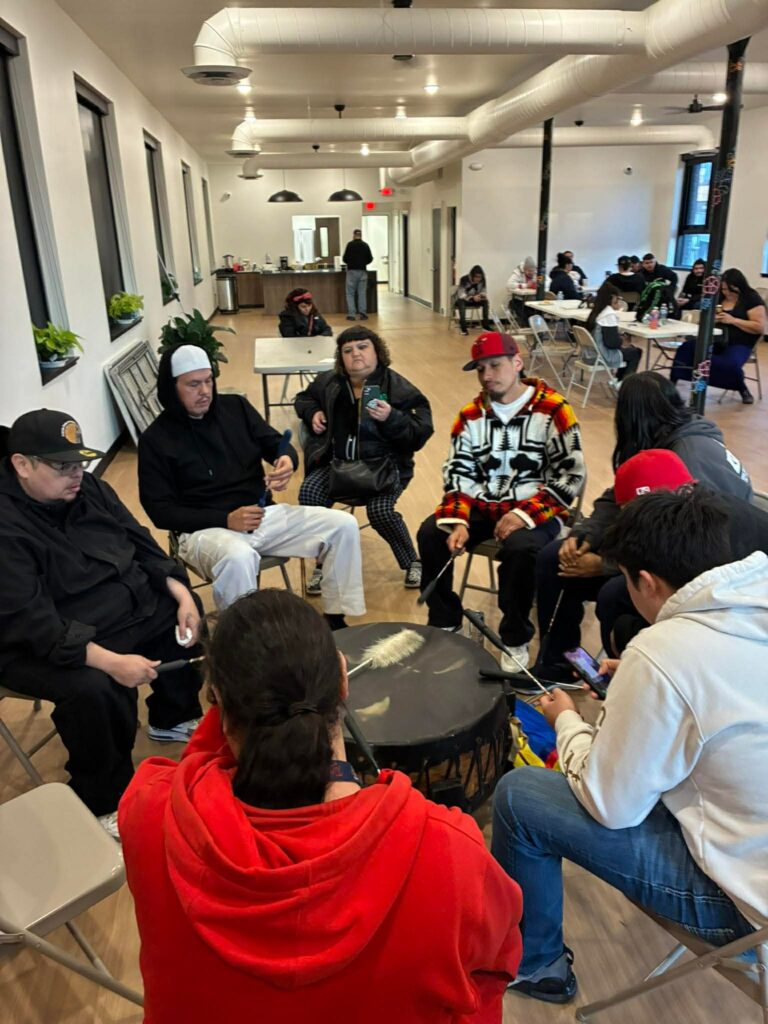
Deanna StandingCloud: A familiar aroma of Native soul food travels through the air. Young and seasoned men alike sit around a large drum as they prepare for Tuesday evening drum and dance at a
new wellness center in south Minneapolis.
Sarah Carlson: Just to go into the new space, it’s so open. It’s so just beautiful, even the artwork.
Deanna StandingCloud: Sarah Carlson, a Red Lake Nation citizen, is speaking about the newly renovated building in South Minneapolis, Ombimindwaa Gidinawemaaganinaadog, or “uplifting our relatives” in the Ojibwe language. Red Lake Nation’s wellness center offers traditional healing to the urban community.
Sarah Carlson: I really appreciate all the services that Red Lake has to offer down here, mental health,
housing, the college, the cultural space. It’s cool to watch our tribe grow and expand and be able to provide a lot of these things to our urban members.
Deanna StandingCloud: Sarah participates in the center’s cultural programming to support her journey of sobriety.
Sarah Carlson: There’s other people in recovery there. It’s pretty cool to see like the guys come from, you know, treatment places come and get to be around the drum and sing the songs and utilize the drum for their healing and their journey.
[sound element: Powwow Drum]
Liberty Greene: My parents, they did struggle a lot of substance issues growing up, and like I know a lot
of our families do.
Deanna StandingCloud: Liberty Greene is a proud citizen of the Red Lake Nation and currently is the Director of the Boys and Girls Club at the Minneapolis American Indian Center.
[sound element: Children Laughing]
Deanna StandingCloud: According to the Minnesota Department of Health, Native people are seven times more likely to die of an overdose than their white counterparts. This has prompted the Red Lake Nation to offer more cultural connections to the community.
Liberty Greene: I feel like it’s so important because its just like instilling that sense of pride, that sense of
belonging in our community that I feel like is very much needed. If you know who you are and where you come from, like you have that foundation.
Deanna StandingCloud: Drum and Dance nights happen on Tuesday evenings for the community. There is also a space for sweat lodge ceremonies and a fitness center available. To learn more, visit the Red Lake Nation Facebook page for more information. For Minnesota Native News, I’m Deanna StandingCloud.
[sound element: Minnesota Native News theme]
Marie Rock: Minnesota Native News is produced by AMPERS, Diverse Radio for Minnesota’s Communities, made possible by funding from the Minnesota Arts and Cultural Heritage Fund and the citizens of Minnesota.
More from Minnesota Native News
- MNN Extended Interview: Matthew RantanenThis week we look back at an interview producer Emma Needham did with Matthew Rantanen, descendant of the Cree Nation, about the work he is doing to bridge the digital divide in tribal lands.
- Day of Remembrance Honoring Boarding School Survivors, and Bowwow Powwow on Stage
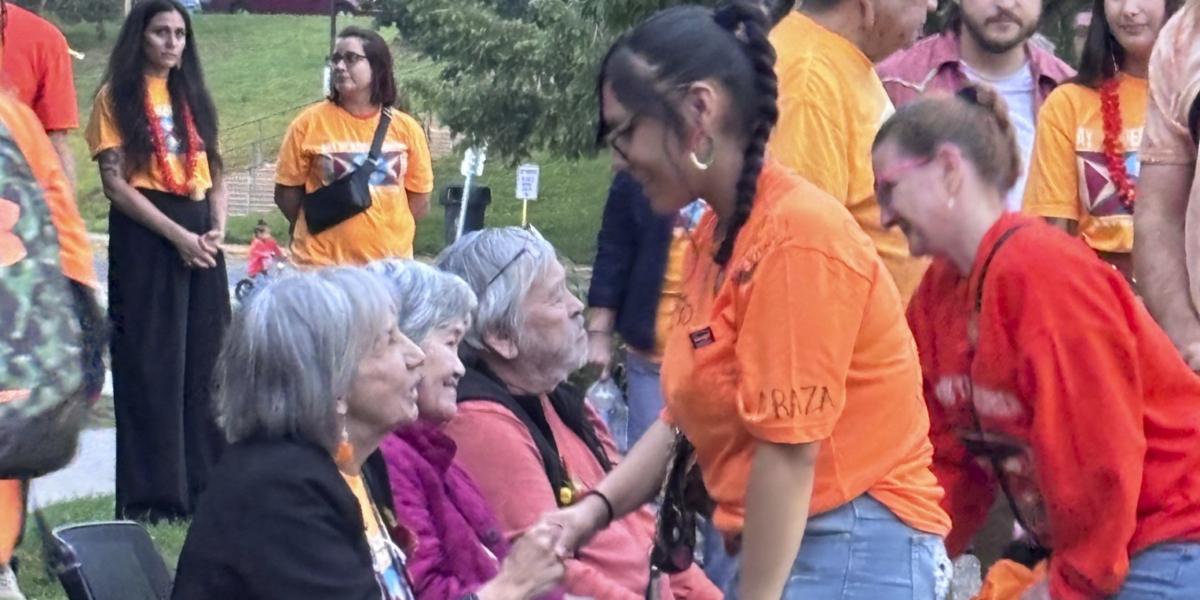 This week, the community gathers to honor boarding school survivors and a popular children’s book debuts as a play.
 - MNN Extended Interview: Bryan Bosto
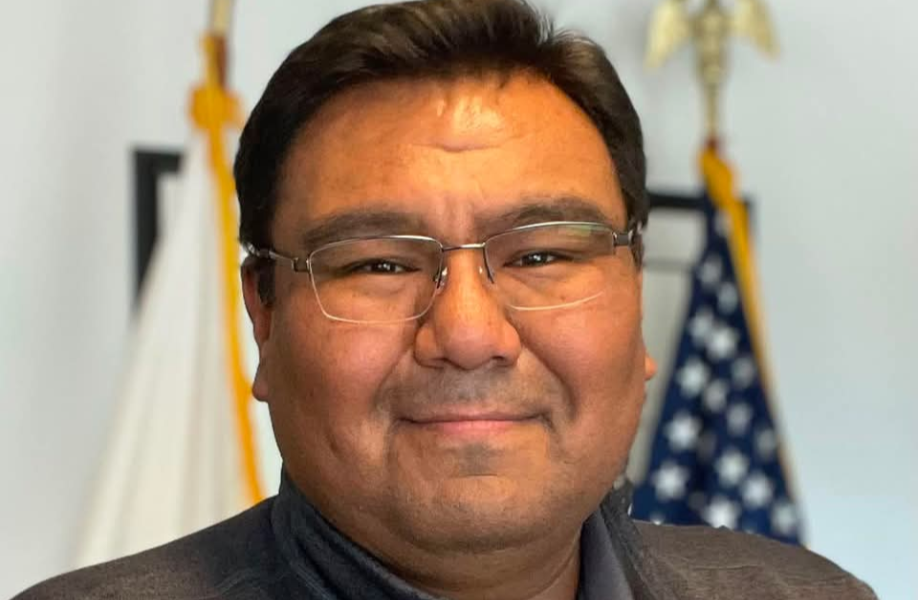 This week, we revisit producer Emma Needham’s interview with Bryan Bosto, who was recently inducted into the Minnesota Lacrosse Hall of Fame for the work he has done in growing the game in Native communities.
Subscribe to Minnesota Native News in your favorite podcast app


 MNN Extended Interview: Matt Dannenberg & Chéri Smith of Alliance for Tribal Clean Energy