


This week on Minnesota Native News, how Leech Lake Band of Ojibwe officials’ recent approval of the Grand Rapids School District request for an exemption from the state’s mascot ban impacts communities. Plus, a look at how Indigenous fire stewardship is influencing Minnesota’s response to wildfires.
—–
Script editing: Emily Krumberger, Emma Needham
Anchor: Marie Rock
Producer: Chaz Wagner, CJ Younger Interviewing support: Emma Needham
Mixing & mastering: Chris Harwood
TRANSCRIPT
[Music: Minnesota Native News Theme]
Anchor Marie Rock: I’m Marie Rock, and this is Minnesota Native News. This week, a look at how Leech Lake Band of Ojibwe officials’ recent approval of the Grand Rapids School District request for an exemption from the state’s mascot ban impacts communities. Plus, a look at how Indigenous fire stewardship is influencing Minnesota’s response to wildfires. First, let’s hear from Chaz Wagner.
Chaz Wagner: Native American School Mascots haven’t always carried the negative stereotypes with people often associate with them today. Some communities and even
students felt a sense of Indigenous pride and identity with Indian mascots when mainstream representation didn’t exist.
Jerome Whiteman: what they’re doing is playing, paying homage to the Native American, not an Indian. They say, “Oh, look at that Indian.” Well, they’re not talking about me because I’m not. I’m not an Indian. I’m a first American
Chaz Wagner: Jerome Whiteman is a Veteran and citizen of the Bois Forte Band of Chippewa. For him, mascots often honor:
Jerome Whiteman: the fight fighting spirit of him. He was fighting for his land. Many, many years. We’re still around. A lot of us served this great country and are proud of that. I, for one, did.
Chaz Wagner: In 1988, the Minnesota High School League joined the larger movement against harmful Indian Mascots and pressured such schools like the: Warroad Warriors, Benson Braves, and the Sleepy Eyes Indians – to stop using them. In 1995, Grand Rapids schools also made a change.
Matt Grose: In 1995 the Grand Rapids School district changed the mascot from the Indians to the Thunderhawks after a process that involved the community and students and staff.
Chaz Wagner: That’s Grand Rapids School Superintendent Matt Grose. The Grand Rapids School district is yet again facing another potential Thunderhawk mascot change. In 2023, Gov. Tim Walz signed a measure banning public schools from using a name, symbol, or image associated with an American Indian Tribe with a compliance deadline of September 1st 2025.
Matt Grose: Our students were concerned and confused about losing the Thunderhawk
mascot- it was never designed or intended to represent an American Indian person. We also solicited the input of our American Indian Parent Advisory Committee and they’ve been supportive of the mascot since the beginning.
Chaz Wagner: Recent amendments allow districts to seek exemption from the nearest tribe.
Matt Grose: In June, we had the opportunity to present our request to keep the Thunderhawk mascot and logo to the Leech Lake Band of Ojibwe and we received unanimous and immediate support and that was very rewarding.
Chaz Wagner: While Jerome Whiteman believes that mascots can pay homage to Indigenous people, he also states that some schools…
Jerome Whiteman: …they go a little too far. Yes, they go a little too far, like some of these high school teams that I know. If we call these teams, those white guys, the Minnesota white guys, what that sound like?
Chaz Wagner: For Minnesota Native News, I’m Chaz Wagner.
Anchor Marie Rock: Next, natural resources researchers are partnering with Indigenous communities to understand how Indigenous fire stewardship shaped the Great Lakes region. CJ Younger has more.
Bazile Minogiizhigabo Panek: it is scary when we’re seeing highly intense wildfires happening in the state of Minnesota. These forests haven’t seen fires for generations, and that has caused some great increases in burnable materials.
CJ Younger: That’s Bazile Minogiizhigaabo Panek from the Red Cliff Band of Ojibwe. He’s the coordinator of the Fire-Plan Project, a regional group working closely with communities and state agencies in and around Minnesota. They are working to share Indigenous knowledge about fire’s relationship to land.
[SFX: Bird wings flapping, Crow caw]
Panek: Our origin story speaks about Crow giving us the gift of fire. The crow taught us how to use fire, to take care of the land. In turn, the land would take care of us.”
Younger: University of Wisconsin researchers found a connection between the decline of fires and the separation of Indigenous tribes from their land, suggesting that Indigenous people were actively stewarding the land with controlled burns.
Panek: We have used fire as a land stewardship tool, but also have just had this a spiritual relationship with Ishkode, or fire, as a being and as a spirit.
[SFX: Nature sounds, birds, trees rustling]
Younger: Partnering with tribal communities in Minnesota, Wisconsin, and Michigan, Panek’s team hosts Fireside Conversations to discuss current relationships, and their ancestors’ relationships fire.
[SFX: Laughter around campfire]
Panek: A lot of people do actively have memories of their parents or their grandparents using fire. They remember picking blueberries in recently burned areas, and then sometimes the people cleaning the landscapes with fire around their homes, or around the blueberry patch.
Younger: The current “hands off” method of forest management is rooted in the idea that the US was an “untouched wilderness” when settlers arrived here. The team hopes these conversations will lead to more active land management practices involving controlled burns to strengthen ecosystems and red pine populations in the Great Lakes region.Younger: You can learn more about the Fire-Plan Project at their website, I S H K O D E dot ORG. For Minnesota Native News, I’m CJ Younger.
Marie Rock: Minnesota Native News is produced by AMPERS: Diverse Radio for Minnesota’s Communities. Made possibly by funding from the Minnesota Arts and Cultural Heritage Fund and the citizens of Minnesota.
More from Minnesota Native News
- Minnesota’s Native Political Candidates, and the Pipestone Pipeline
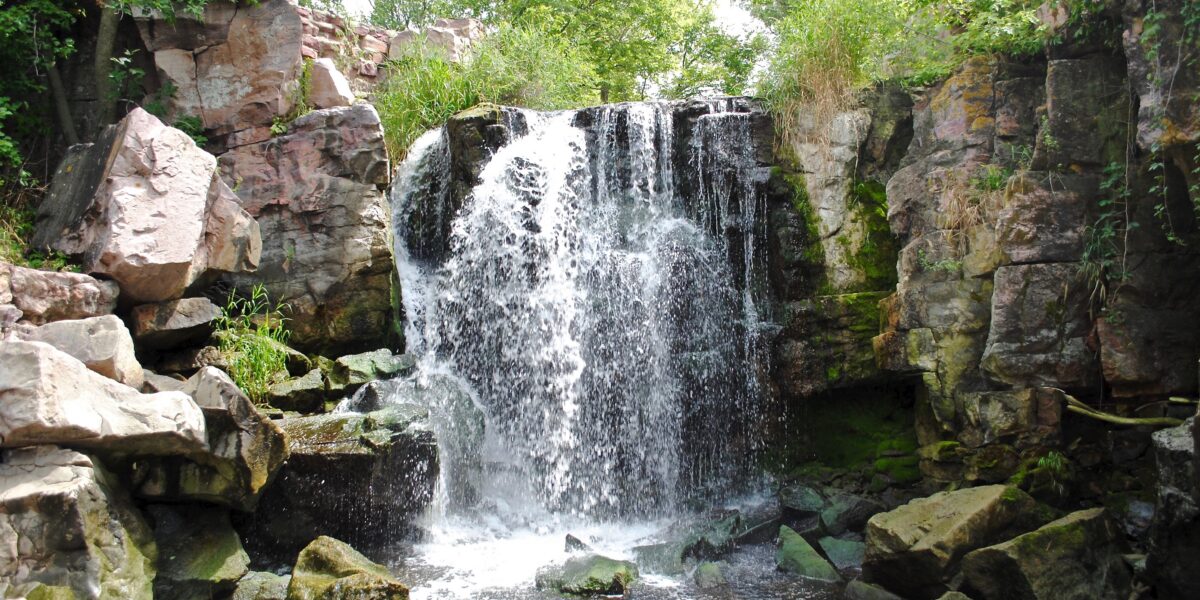 This week, an uptick of Native political candidates in Minnesota and a pipeline that is planned to cut across an important sacred site
 - The Bush Foundation Funds Ojibwe Language Preservation, and the Shakopee Mdewakanton Sioux Community Invests in Grand Victoria Development
 A grant is helping revitalize the Ojibwe language and the Shakopee Mdewakanton Sioux Community is part of a new development in St. Paul.
 - MNN Extended Interview: Bazile Minogiizhigabo Panek
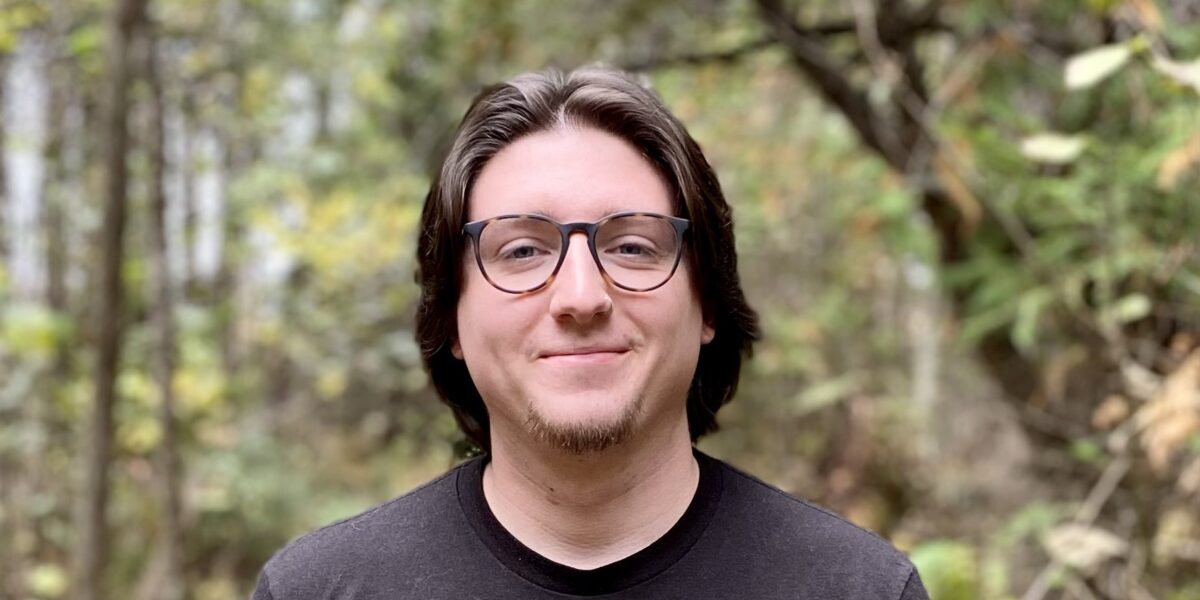 This week, we revisit Producer Emma Needham’s interview with Bazile Panek to learn more about his relationship to fire and what he thinks are the causes behind Minnesota’s increasing risk for devastating wildfires.
Subscribe to Minnesota Native News in your favorite podcast app


 Penny Kagigebi: Reclaiming Two Spirit Culture Through Art