


[Image Credit: NATIFS]
This week, a special extended interview from a past segment. Travis Zimmerman interviews award-winning author, activist, and Chef Sean Sherman.
—–
Producer: Travis Zimmerman
Editing: Britt Aamodt
Anchor: Marie Rock
Mixing & mastering: Chris Harwood
For the latest episode drops and updates, follow us on social media.
Never miss a beat. Sign up for our email list to receive news, updates and content releases from AMPERS. ampers.org/about-ampers/staytuned/
This show is made possible by community support. Due to cuts in federal funding, the community radio you love is at risk. Your support is needed now more than ever. Donate now to power the community programs you love: ampers.org/fund
TRANSCRIPT
[Music: Minnesota Native News Theme]
Marie Rock [ANCHOR]: Welcome to Minnesota native news. I’m Marie Rock this week a special extended interview from a past segment. Travis Zimmerman interviews award-winning author, activist, and Chef Sean Sherman about releasing a new cookbook this month and opening a new restaurant in the spring of 2026.
Sean Sherman: My name is Sean Sherman. I am the executive director at NATIFS, which is North American Traditional Indigenous Food Systems. In Minneapolis, NATIFS has the Indigenous Food Lab, which has the market space, a classroom, studio, production kitchen. My restaurant in Owamni is also a part of the nonprofit, so it’s under NATIFS also. And I also founded the Sioux Chef in 2014. I’ve done a lot of work there. And I’m from Pine Ridge, South Dakota. I’m enrolled with the Oglala Lakota.
Travis Zimmerman: So I saw you out in Palm Springs here a couple weeks ago, and it was good to see you. You got an award from the Association of Tribal Archives, Libraries and Museums, otherwise known as ATALM. Can you tell us a little bit about what that award was?
Sean Sherman: Yeah, I mean, it’s Trailblazer Awards, just for a lot of the work that we’ve been doing of really just trying to bring Indigenous food ways into the larger conversation, just trying to be role models of what we can do. And I feel very lucky that we get this kind of attention, because it just helps us broaden our platform to be able to have a louder voice. There’s been a lot of nods to this work, I should say, you know, but again, for me, like this work was never about myself. Personally, it’s great that I get these awards. I feel like it just helps open up the doors for other people. And you know, that’s all I want to do is just, you know, leave this world a better place down the road.
Travis Zimmerman: Why don’t you share what’s next for NATIFS?
Sean Sherman: Well, I’m working on a new restaurant concept that would open up in Minnesota this next year, in Minneapolis. And so that, if it works out, that brings around a new restaurant concept for people to try out. So something a little bit different, a little bit lower price point than Owamni. I think it’ll be a lot of fun. But we’re also just moving forward with creating institutional food support, meaning making the formats that schools and hospitals utilize so that we can give them options. So a lot of our schools and hospitals, of course, you know, just utilize a lot of these food products from Ciscos and Aramarks and US Foods and these kinds of big box trucks, you know, Sodexo and stuff like that. And so we want to start creating healthy Indigenous foods, making sure that we’re making recipes with Indigenous ingredients that we purchase from tribal communities or individuals or entities, whatever it might be. So we’re just trying to figure out ways to get food out there, which is why we’re moving into this institutional food support of making foods for schools and hospitals and penitentiaries or whoever else is using large format food service. The same time, just, you know, creating a way to distribute these products and move them around, whether it’s in retail form or wholesale form, because we can move big bags of stuff around too. And our goal is to start to work with all the tribes so we can eventually start sending this food out all across the state. And then that goal is to just continue to grow that and then we’ll probably start doing that same program up in Montana. The restaurant here in Minnesota is part of the nonprofit, because we use that for primarily job creation, because we have 100 employees at Owamni, and about 70% of our staff identifies as Indigenous, which is a pretty big number for a city like Minneapolis. And to set up a lot of the same models that we built here with the Indigenous Food Lab, and we’re able to move nearly a million dollars a year directly to Indigenous food producers because of our purchasing power. So like, we have a lot of fun things that we’re just trying to create and grow. And, you know, we’re just hoping. Because we want to help other people create concepts. We can help tribes create Indigenous food service concepts for their casinos and communities. You know, we can always be here to train and develop anybody who wants to move into food production, and whether it’s like a community center or a museum, and it can be hard. So we just want to try to figure out ways to get, you know, food product directly into communities like that, especially, you know, in places like where I grew up, on Pine Ridge, where we just have, you know, we’re dotted with a few gas stations, or nowadays, there’s a couple of fast food restaurants. But, you know, there’s not a lot of healthy nutritional food access, especially in the form of Native foods. There’s a big book that comes out next year. So my second cookbook will be out next year. I did that with Kate Nelson here in Minnesota, who’s a Native journalist and writer, also Kristin Donnelly, who lives out east. But we put together this massive book that’ll be basically focused on Turtle Island. So it looks at North America, Mexico through Alaska and all of the Indigenous diversity that’s out there, but doing it through a cookbook form.
Travis Zimmerman: That’s awesome. Wow, man, keep it up and hope to see you around here soon.
Sean Sherman: Absolutely. Well, appreciate that.
Marie Rock: That’s all we for this week’s episode. Join us next time for more voices and stories that inform, uplift, and shape our communities, right here on Minnesota Native News.
[Music: Minnesota Native News Theme]
Marie Rock: Minnesota Native News is produced by AMPERS: Diverse Radio for Minnesota’s Communities. Made possibly by funding from the Minnesota Arts and Cultural Heritage Fund and the citizens of Minnesota.
More from Minnesota Native News
- Day of Remembrance Honoring Boarding School Survivors, and Bowwow Powwow on Stage
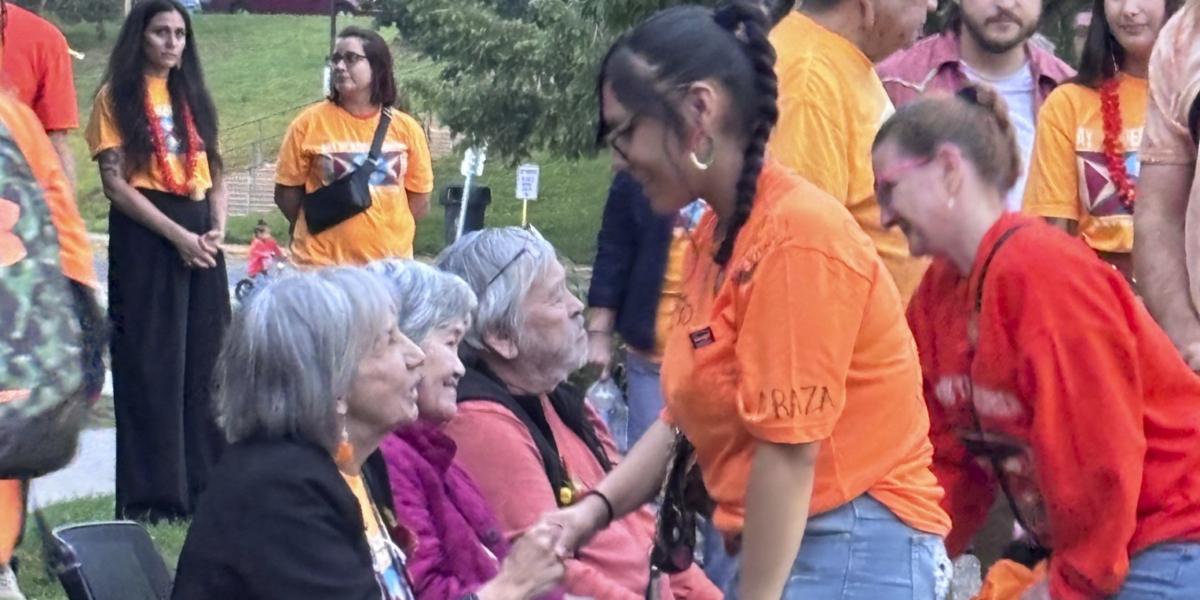 This week, the community gathers to honor boarding school survivors and a popular children’s book debuts as a play.
 - MNN Extended Interview: Bryan Bosto
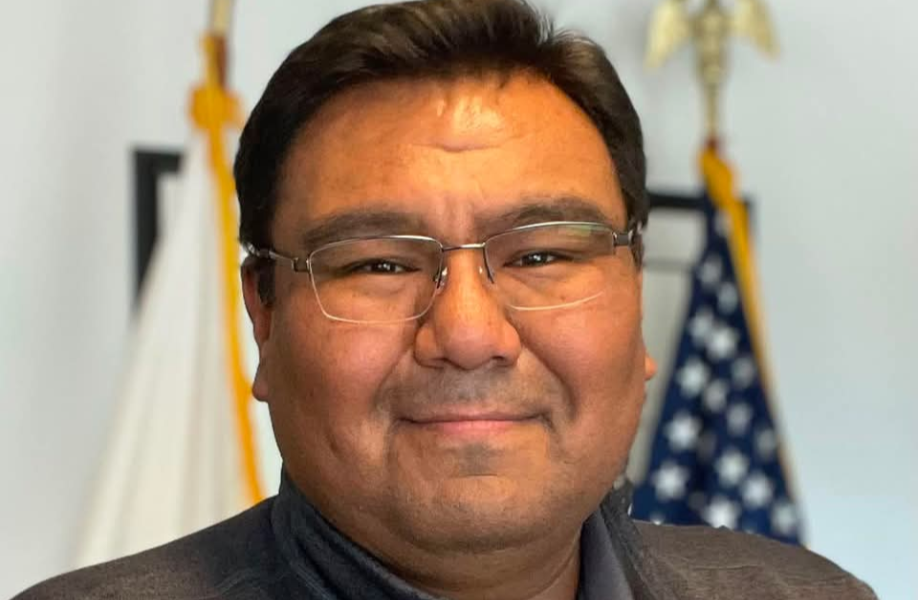 This week, we revisit producer Emma Needham’s interview with Bryan Bosto, who was recently inducted into the Minnesota Lacrosse Hall of Fame for the work he has done in growing the game in Native communities.
 - Dagwaagin Wiikonge’ (Fall Feast) at AICHO, and the New President at Leech Lake Tribal College
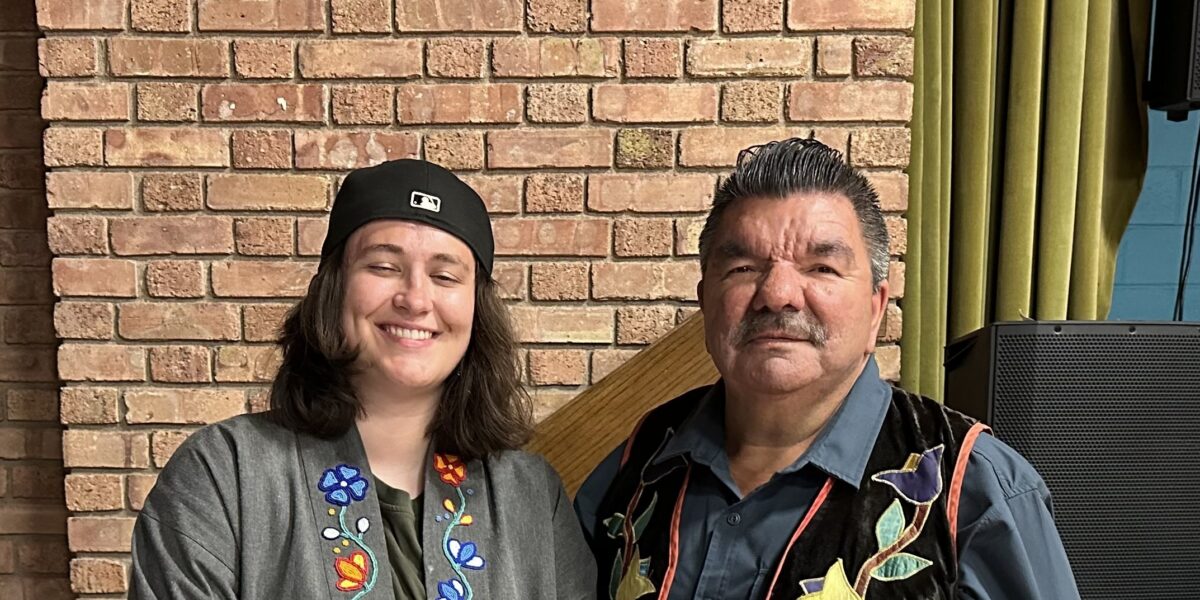 This week, we visit a Fall Feast in Duluth, and we meet the new President of Leech Lake Tribal College.
Subscribe to Minnesota Native News in your favorite podcast app


 MNN Extended Interview: Marcie R. Rendon