
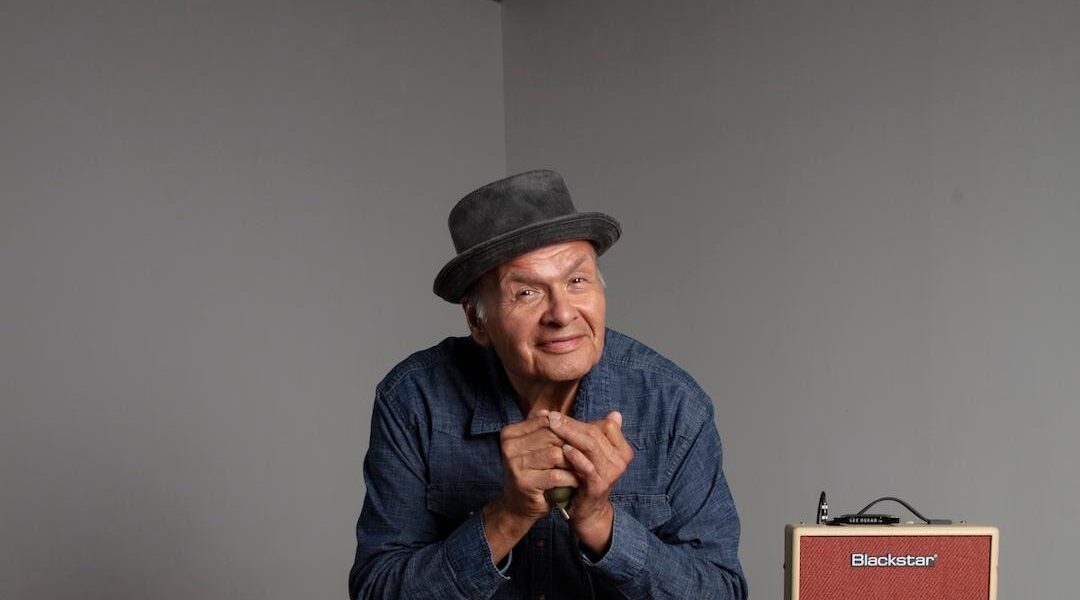
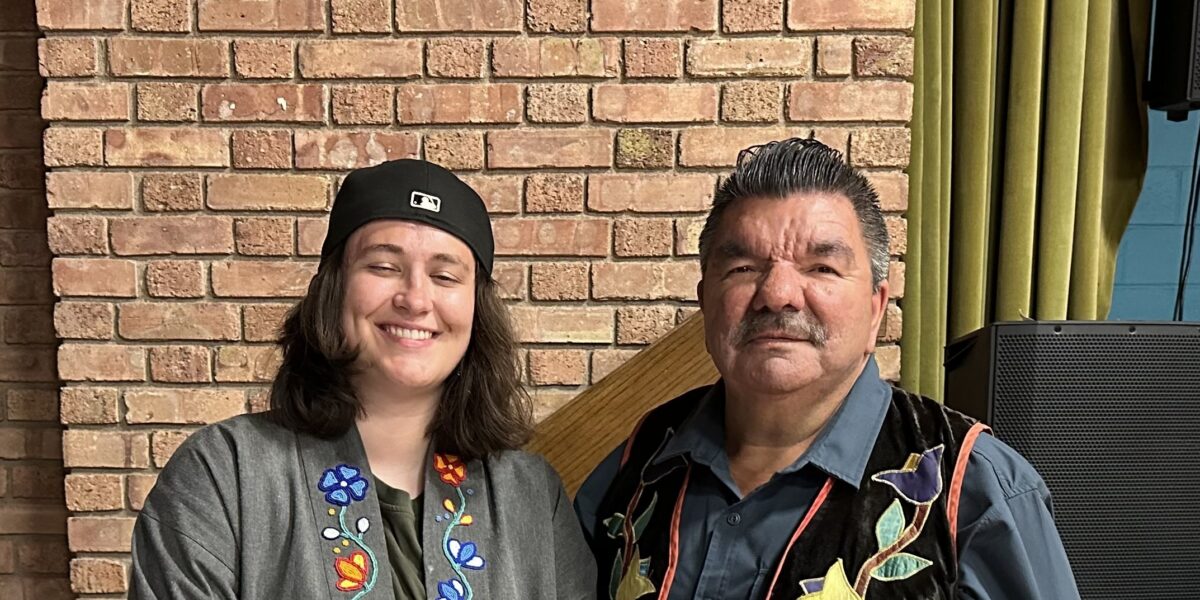
This week, we revisit reporter Deanna StandingCloud’s interview with Cayuga tribal member Gary Farmer, a First Nations actor and musician best known for his roles in Powwow Highway, Dead Man, and Smoke Signals to hear his thoughts on acting.
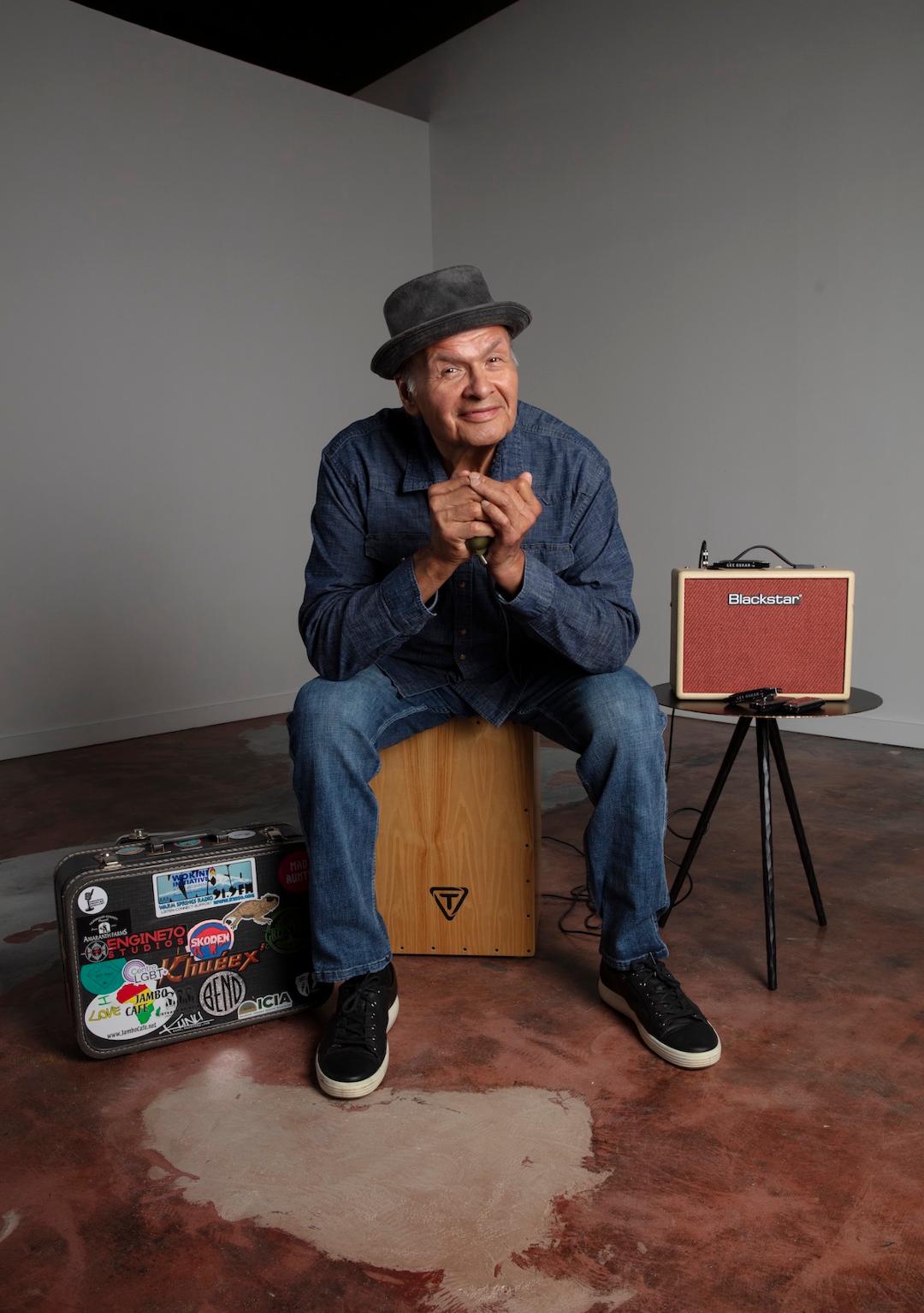
Image caption: Gary Farmer [Image Credit: Cara Romero Photography]
Executive Producer: Travis Zimmerman
Producer: Deanna StandingCloud
Anchor: Marie Rock
Editorial support: Victor Palomino
Mixing & mastering: Chris Harwood
—–
For the latest episode drops and updates, follow us on social media.
Never miss a beat. Sign up for our email list to receive news, updates and content releases from AMPERS. ampers.org/about-ampers/staytuned/
This show is made possible by community support. Due to cuts in federal funding, the community radio you love is at risk. Your support is needed now more than ever. Donate now to power the community programs you love: ampers.org/fund
TRANSCRIPT
[Minnesota Native News theme]
Marie Rock: This is Minnesota Native News. I’m Marie Rock. This week, we revisit reporter Deanna Standing Cloud’s interview with Cayuga tribal member Gary Farmer, a First Nations actor and musician best known for his roles in Powwow Highway, Dead Man, and Smoke Signals to hear his thoughts on acting.
Deanna StandingCloud: What’s your favorite part of acting?
Gary Farmer: My favorite part of it is just getting a job, of course, but then, you know, you got to work with the script that you’re giving. And by that time, by the time I get it, it’s pretty well, you know, there are going to be some changes if it’s a smart writer director. So, it’s just trying to understand the movement as a piece of music, which I’m very participant in. and nurture it and understand it and grow with it and then perform it. And then, you know, stand by because it’s really not in your hands ever. It’s an editor’s medium, you know, film and TV and a director’s medium and a producer’s medium. They have control over the script, and they can mess up a script or they can make it better.
So, you know, you don’t have a lot of control as a performer. You just try to understand the story, understand what you as an actor, what do you need, what do you want from the other characters in the story, and what motivates you to do what you do within the story. It’s a process and it can, sometimes the work a week before, especially with commercial television, you get an episode of this or that, you get the script and all of a sudden, you’re flying off to somewhere and you got to perform within a few days of getting a job. So you don’t have a lot of time to process.
Deanna StandingCloud: Is there, is there anything special you want to say to our listeners, specifically Minnesotans, why it’s important for Native people to be on screen or any really wise words?
Gary Farmer: Well, we have to participate. It’s the medium that everyone is tuned into. Film, television, entertainment. You know, it’s hard to hold a non-Native audience for some of our stories because they feel, some of them feel guilty, some of them don’t care. You know, that’s old history, it’s moved on. We’ve gone beyond that. So, it’s been really hard to sell our creative content in a modern world, there still is today. It’s challenging, though there’s more opportunities than ever in some ways, because there’s so much media now. You know, cable television is dead almost. You know, it’s all gone to streaming. That’s changed the whole environment of making cinema.
So, you know, especially in the native playwriting world when I first started, you know, there wasn’t a lot of writers to start but, nor directors, nor other actors and so the plays were really hard. The ones that first came because the stories were so sad and so it was hard to be able to tell them to an audience and hold an audience attention. I could work exclusively these days for Native directors, Native filmmakers. There’s that much upheaval in our communities that are really actively making cinema or television or theater.
We’ve really got to continue to inspire our youth to take over my place and to take over storytelling, like to bring it back within our community. any way we can. It doesn’t have to be on a professional level, but we need to carry on these stories for our own survival. So that’s where we’re facing. That’s the battle of the modern age for the young people. And that’s, you know, I’ve lived my life. Like I said, I’ve lived my life. So now my job is to instill in the youth some discipline that allows them to take it even further than I was able to in my life.
Marie Rock: That’s all for this week’s episode. Join us next time for more voices and stories that inform, uplift and shape our communities right here on Minnesota Native News.
[Music: Minnesota Native News Theme]
Marie Rock: Minnesota Native News is produced by AMPERS. radio stations made possible by funding from the Minnesota Arts and Cultural Heritage Fund and the citizens of Minnesota.
More from Minnesota Native News
- Day of Remembrance Honoring Boarding School Survivors, and Bowwow Powwow on Stage
 This week, the community gathers to honor boarding school survivors and a popular children’s book debuts as a play.
 - MNN Extended Interview: Bryan Bosto
 This week, we revisit producer Emma Needham’s interview with Bryan Bosto, who was recently inducted into the Minnesota Lacrosse Hall of Fame for the work he has done in growing the game in Native communities.
 - Dagwaagin Wiikonge’ (Fall Feast) at AICHO, and the New President at Leech Lake Tribal College
 This week, we visit a Fall Feast in Duluth, and we meet the new President of Leech Lake Tribal College.
Subscribe to Minnesota Native News in your favorite podcast app


 The Native American Community Clinic Moves into a New Building, and Native Running Clubs Are Growing Fast