
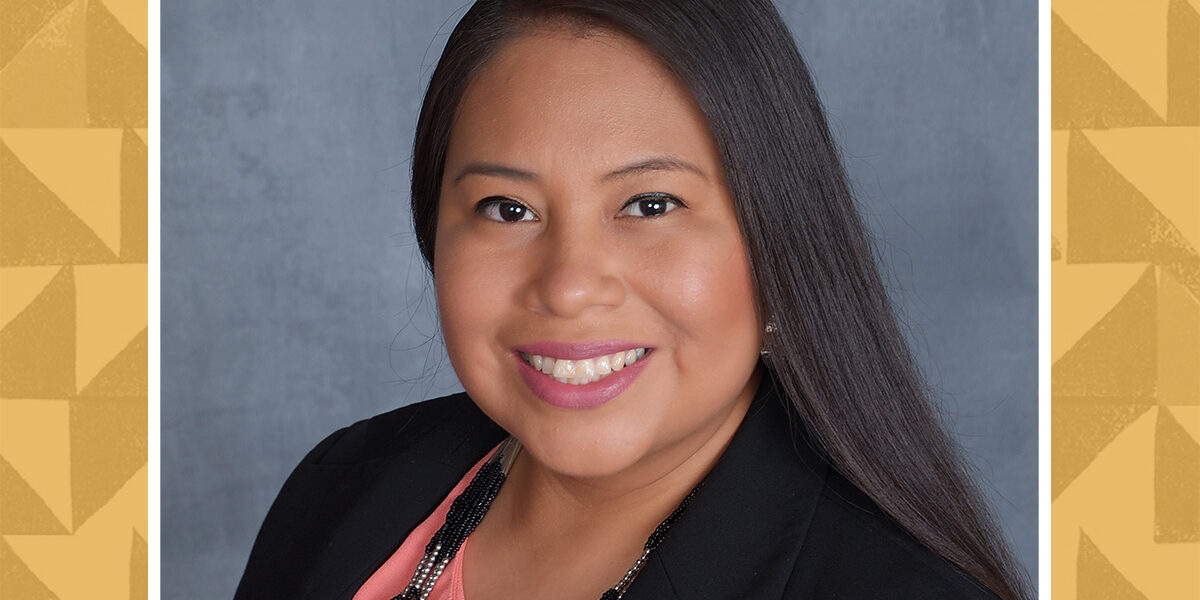
Native Lights is a weekly, half-hour radio program hosted by Mille Lacs Band of Ojibwe members and siblings, Leah Lemm and Cole Premo. Native Lights is a space for people in Native communities around Mni Sota Mkoce — a.k.a. Minnesota — to tell their stories about finding their gifts and sharing them with the community.
On today’s show, we talk with Leya Hale (Sisseton Wahpeton Dakota and Diné Nations), a producer for Twin Cities PBS, who is known for her feature documentary, The People’s Protectors, a Vision Maker Media grant production, and winner of the 2019 Upper Midwest Emmy Award for Outstanding Cultural Documentary.
In 2020, Leya was awarded the Sundance Institute Merata Mita Fellowship for Indigenous Artists and attended the 2020 Berlinale European Film Market as a NATIVe Fellow.
Most recently, Leya Hale completed her second feature, Bring Her Home, a powerful and hopeful documentary that highlights the stories of three women fighting to vindicate and honor their missing and murdered relatives, while shining a light on this growing epidemic across Indian country.
We loved hearing how Leya carved her path to becoming a Director/Producer, how she uncovered her unique voice and vision, and how she shares her gifts by encouraging and mentoring other young Indigenous filmmakers.
Bring Her Home premiered at the 2022 Big Sky Documentary Film Festival and is now being distributed nationally by PBS. Find out how you can watch the film here: https://www.tpt.org/bring-her-home/video/bring-her-home-hf8spa/
Native Lights: Where Indigenous Voices Shine is produced by Minnesota Native News and Ampers, Diverse Radio for Minnesota’s Communities with support from the Minnesota Arts and Cultural Heritage fund.
Subscribe to Native Lights wherever you get your podcasts


More from Native Lights
- Budd Parker & Tim “Pete” Fairbanks: Restoring the Legacy of White Earth’s Forgotten Veterans
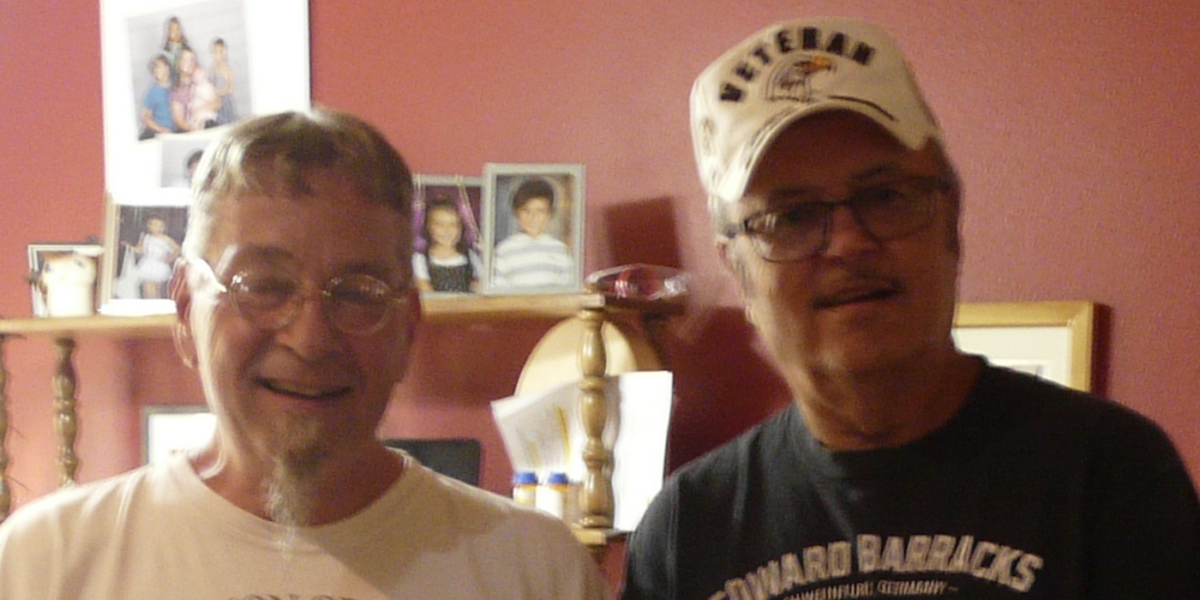 Today we’re joined by Budd Parker and Tim “Pete” Fairbanks. Budd is a Navy veteran and descendant of the White Earth Nation. He lives in Osage and was raised by grandparents who knew Civil War soldiers. He and his crew, including cousin Pete Fairbanks, dig through records. They clear forgotten cemeteries and set corrected headstones so families can hear their ancestors’ names again. Pete is also from the White Earth Nation, and he works with Budd to restore headstones and graveyards.
 - Alex Kmett: Culture as Curriculum, Language as Medium
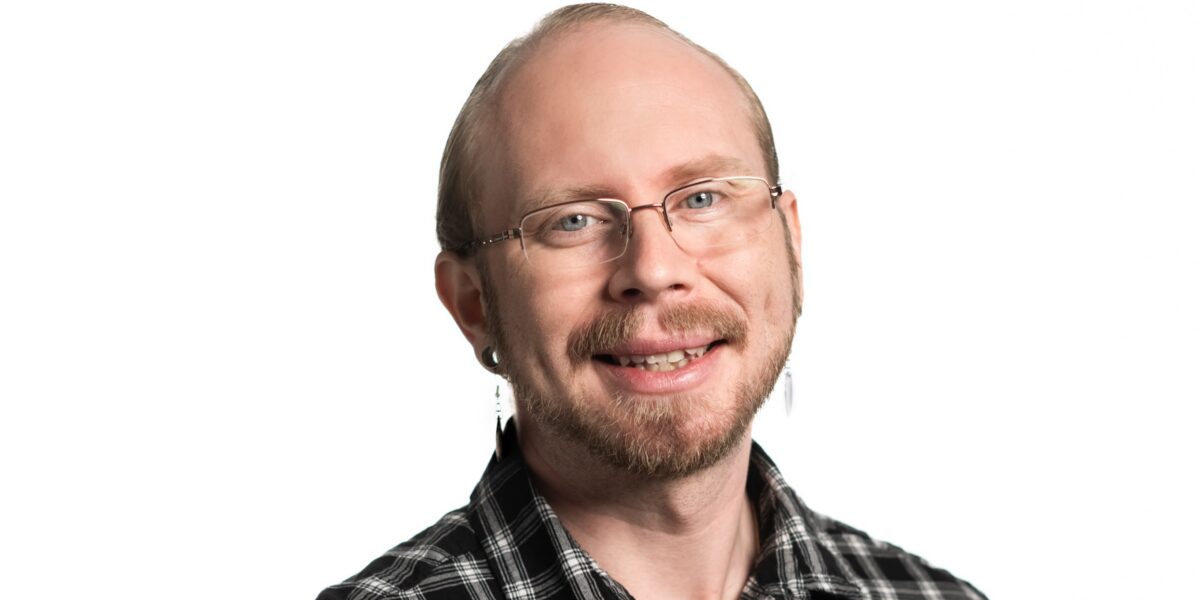 Today, we’re speaking with language revitalization leader and cultural educator Alex Kmett. Alex is a citizen of the Red Lake Nation and a descendant of the Leech Lake Band of Ojibwe. He’s a 2026 Bush Fellow and a co-founder of a charter school in Red Lake Nation.
 - Ryan Dixon: Making Friends with the Dakota Language
 Today, we’re speaking with Ryan Dixon. Ryan is an enrolled member of the Oglala Lakota Tribe from Pine Ridge in South Dakota and has spent over two decades immersed in the Lower Sioux community in southern Minnesota. He trained under First Language Dakota speakers, and he now teaches Dakota. An educator and Indigenous language activist, he co-founded a Dakota Immersion Head Start programming and works to keep the language alive for future generations.
 - Michael Kurtz: Tales of a Wildlife Photographer
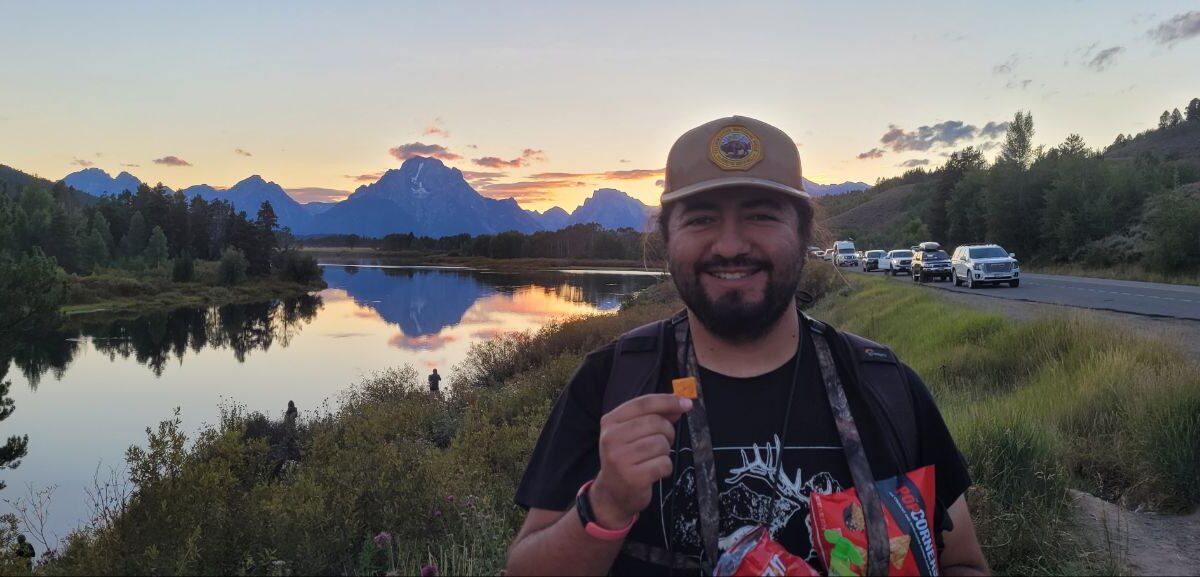 Our guest today is a photographer who takes some stunning photos of wildlife. We’re very excited to speak with Michael Kurtz (Tasunka Opi). He’s Sicangu Lakota, enrolled in the Lower Brule Sioux Tribe. He runs Lakota Photography, blending wildlife photography, tracking, and cultural education. He’s also a naturalist and has volunteered with groups like the National Park Service and Project Coyote. He has spent countless hours across the Dakotas, Minnesota, and beyond, capturing wildlife in its natural habitat. Currently, he’s supervisor of programming and interpretation with Hoċokata Ṫi Cultural Center at the Shakopee Mdewakanton Sioux community.
 - Kent Estey: The Art of Survival
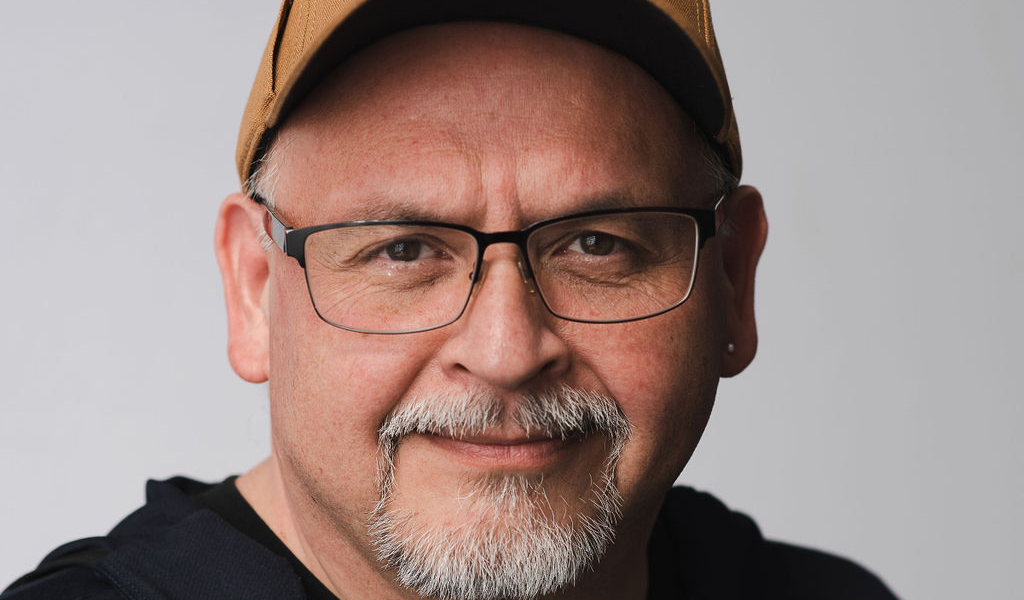 On this episode, we speak with contemporary artist and White Earth Nation citizen Kent Estey. Kent paints at his home studio in Naytahwaush, in the heart of the White Earth Reservation. He’s known for really bold abstract landscapes, acrylic, oil, ink, and metal. He’s also an author. In 2025, he released the children’s book Picking Sweetgrass. His latest exhibit, “Mino-Bimaadiziwin: The Good Life” runs through Labor Day weekend in Detroit Lakes.
 Renowned Anishinaabe Artist George Morrison Honored By US Postal Service