
This week, how an organization is advancing Indigenous cultural education across the state, plus: college application deadlines are right around the corner! Hear experiences and information from the Native American College Fair.
Transcript:
ANCHOR: This is Minnesota Native News. I’m Marie Rock. This week, we hear about an organization advancing Indigenous cultural education across the state. Then, with college application deadlines right around the corner, experiences and information from the Native American College Fair. First, reporter Chandra Colvin has more about Indigenous cultural education.
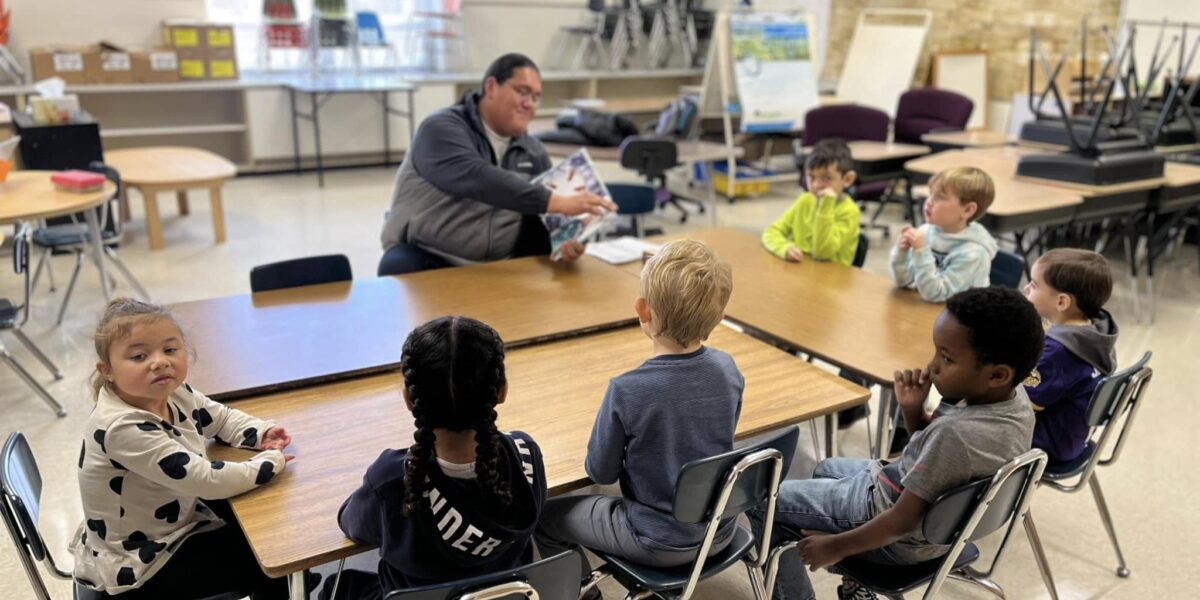
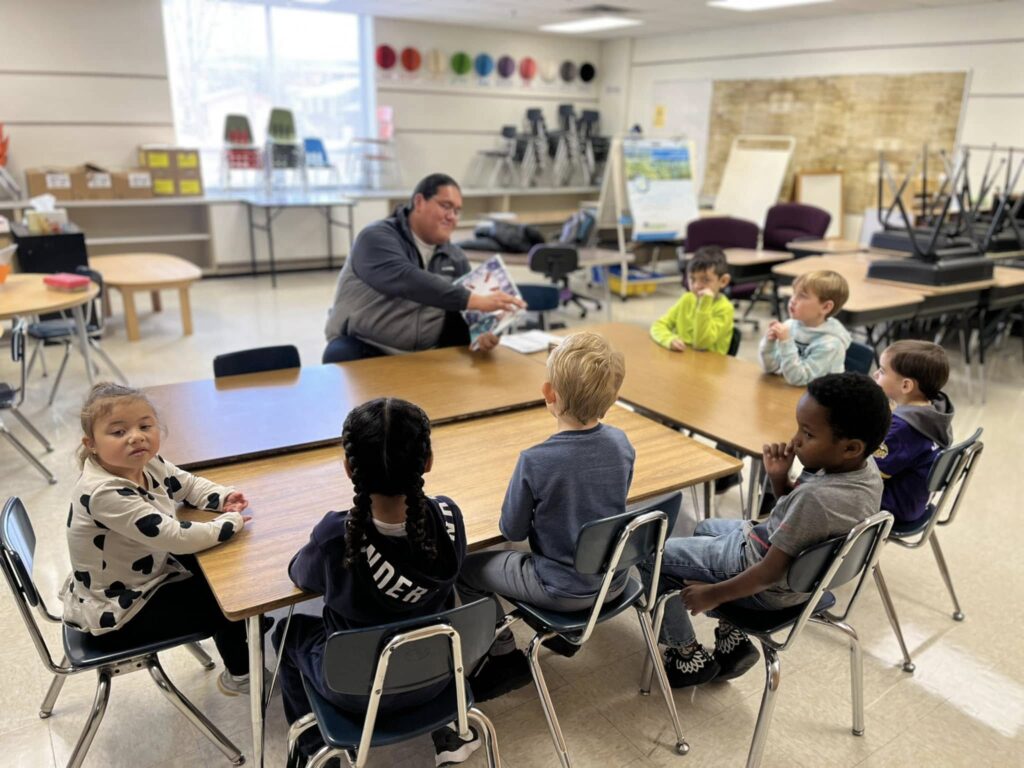
Chandra Colvin: In 2024, the state of Minnesota revised the K through 12 curriculum, signing into law that schools must include the cultural, historical, and contemporary contributions of Ojibwe and Dakota nations. It’s known as “Indigenous Education for All.”
Theo Marcil, a Metro Area Indigenous educator, has brought traditional teachings into the classrooms through the organization he co-founded, Mashkiki Studios LLC.
Theo Marcil: Every class from chemistry, biology, life sciences. There’s a big involvement with that. And that’s actually been very fun.
Chandra Colvin: Mashkiki Studios is a Black Indigenous, and people of color-owned business that focuses on curriculum and professional development.
They offer a variety of education and community workshops, some working with birch bark, or wiigwaas, in Ojibwe.
Theo Marcil: You can boil water and birch bark like bowls and baskets that you can make. Another really cool thing with birch bark is being able to do birch bark biting while you can actually start to peel off more of the layers on that.
Chandra Colvin: He says wiigwaas has always been there for the Ojibwe people.
Theo Marcil: The passion that I feel for being able to work within these schools and being in the community, it all stems from what I didn’t have access to when I was younger. And to me, there’s so much power behind learning about who we are as Indigenous people. And in Ojibwe, there’s a whole phrase, uh, Mashkawiziimagad’iimaa anishinaabe bimaadiiziiwin.
And what that means is that there’s strength in the good life of the original beings.
Chandra Colvin: Mashkiki Studios plans to hold workshops at the Minnesota Indian Education Association Conference in April.
Theo Marcil: If there are any community partners out there who would love to work with us and collaborate, feel free to reach out.
For Minnesota Native News, I’m Chandra Colvin.
ANCHOR: Next, experiences from the Native American College Fair with reporter Joley Kelzer.
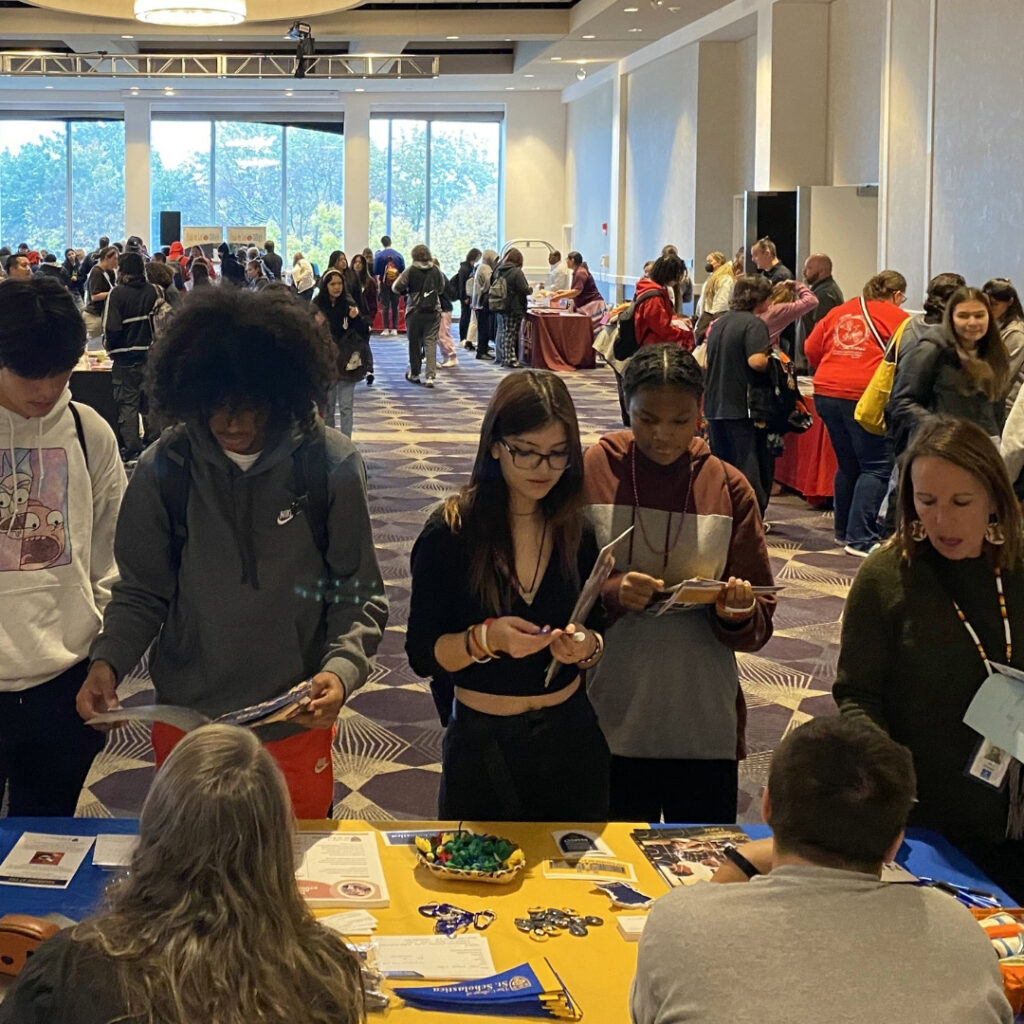
Joely Kelzer: The Native American college fair hosted its 12th successful year at Minnesota History Center in St. Paul. Run by Kerrie Troseth, St. Paul Public Schools Indian Education Counselor, and Elizabeth Mckenna, Indigenous Education Advocate, it works to ease students’ anxieties about higher education and show them pathways to culturally significant higher education programs.
Kerrie Troseth: There’s a new initiative called the American Indian Scholars Program through the Office of Higher Education, which supports students who are enrolled in a federally recognized tribe. Any MNSCU school, that’s a state school or Community Technical College, and the University of Minnesota System schools will now provide student first dollar financial aid to our students.
Joely Kelzer: This initiative supports Native American students seeking higher education and was enacted as part of the One Minnesota bill, which began offering tuition assistance to all Minnesota students in fall of 2024.
[Sound element: Student speaks about college –“College is something I’ve always thought about, just because of how my parents brought me up. They told me that it’s a privilege and an honor that I get to go to college, especially with all the scholarships for Native people.”]
Joely Kelzer: With the help of the annual Native American College Fair, students like Central High student Autumn White Eagle feel empowered and excited to pursue higher education in Minnesota.
Autumn White Eagle: My parents didn’t go to college. And, if I go to college, then I would be the first generation to go to college for my family… It’s exciting getting to know that you have so many opportunities to go, like, wherever you want to.
Joely Kelzer: For Minnesota Native News, this is Joely Kelzer.
[Social Media Reader:ANCHOR: You can find Minnesota Native News online anytime at minnesotanativenews. org. Listen to us on Apple Podcasts, Spotify, PRX, and Podchaser. You can also follow us on social media. Search us on Facebook at Minnesota Native News and Instagram and X at MN Native News. ] [Music]
More from Minnesota Native News
- MNN Extended Interview: Shayla Budrow
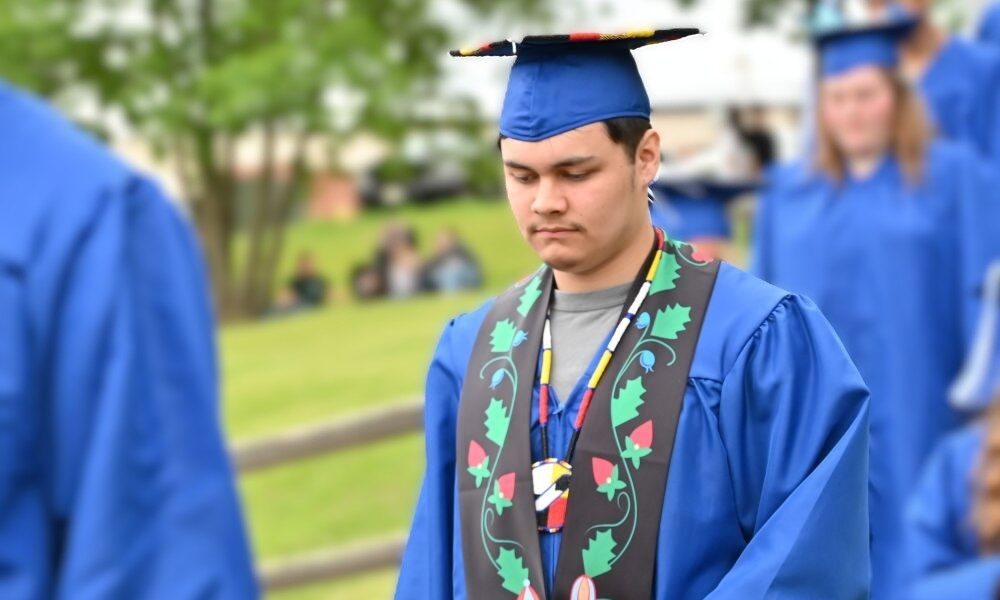 This week, producer Emma Needham’s extended interview with Shayla Budrow, the Indigenous Education Coordinator at Brainerd Public Schools, about how Native graduations represent a generational victory. Producer: Emma Needham Editor: Victor Palomino Anchor: Marie Rock Mixing & mastering: Chris Harwood —– For the latest episode drops and updates, follow us on social media. instagram.com/ampersradio/ instagram.com/mnnativenews/ …
 - MNN Extended Interview: Tashia Hart
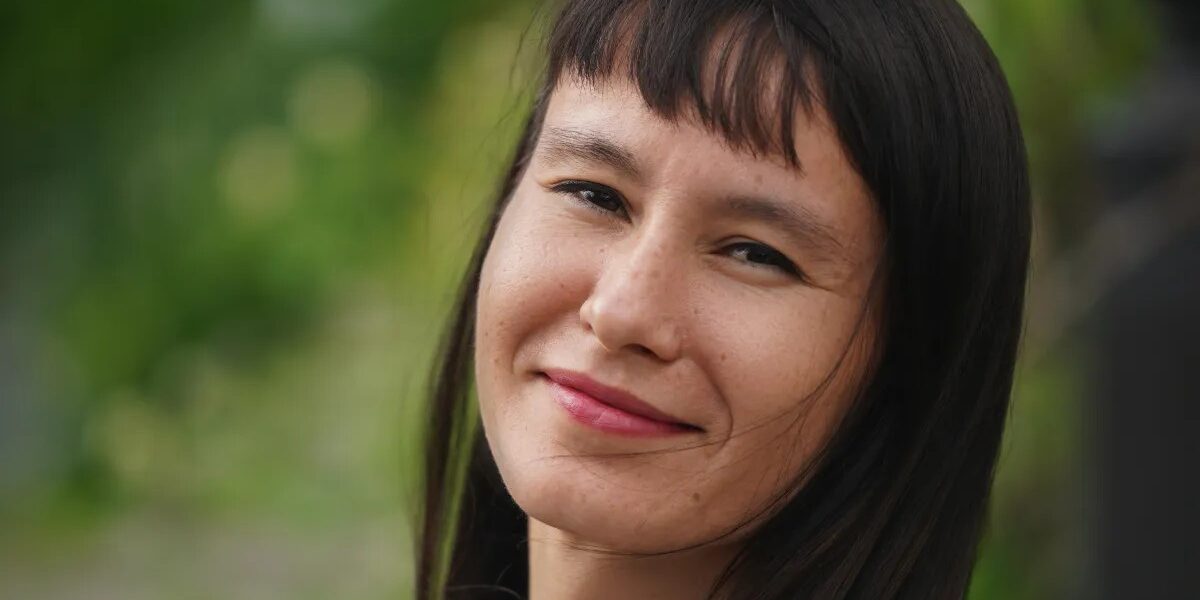 This week, a conversation with Red Lake Nation artist Tashia Hart about her work in last year’s exhibition Once Upon a Shore, an all-Indigenous exhibit at the Minnesota Marine Art Museum, the influence of tradition on her artistic process, and what it means to be an artist.
 - How the Boundary Waters Mining Ban Reversal Impacts Tribes, and This Year’s American Indian Month Kickoff in Minneapolis
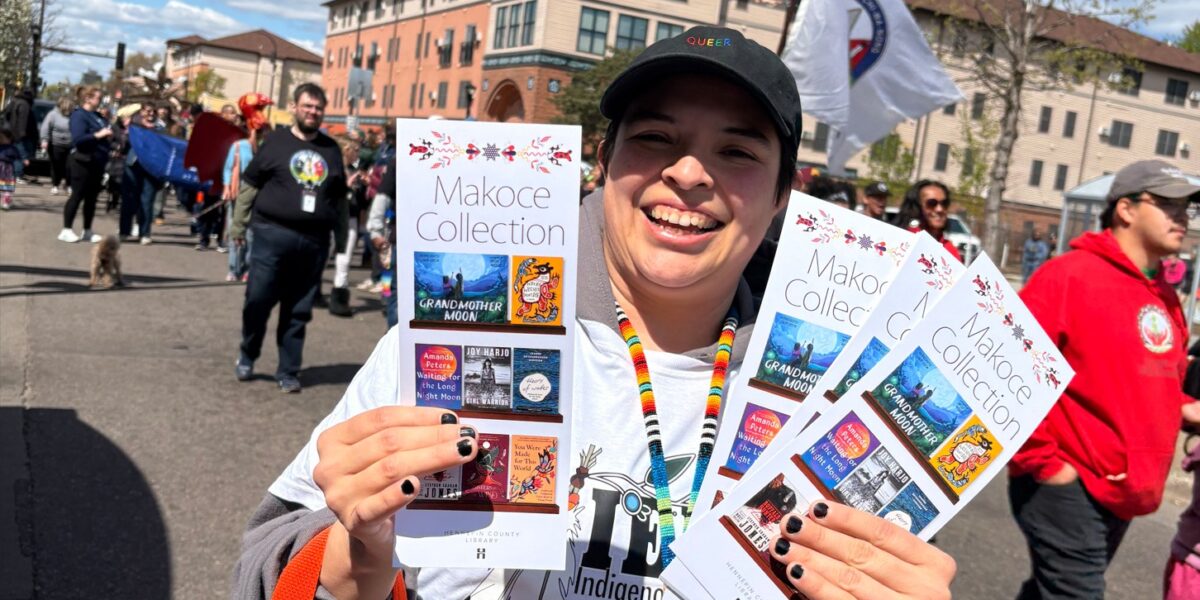 This week, we look at how a federal decision on copper mining could affect Minnesota tribal treaty territory, and a recap of last week’s American Indian Month kick-off celebration in Minneapolis.
Subscribe to Minnesota Native News in your favorite podcast app


 Mattie Harper DeCarlo on Making Change in Indian Country Through Philanthropy