
The Mitchell Hamline School of Law seeks to address systemic racism in Minnesota’s criminal justice system…
And a new scholarship program wants to help descendants of Indian Boarding Schools… Plus, do you or someone you know have an Indigenous story of strength to showcase? Online nominations are open! Reporter Leah Lemm has these stories…
STORY #1: TRUTH AND ACTION
The project is called Truth and Action: Addressing Systemic Racism in the Criminal Justice System in Minnesota. Its aim is to draw on Individual stories from people who have experienced disparate treatment while interacting with the criminal justice system in Minnesota… plus data… to show a fuller picture of the system’s current state.
Dr Jennifer Waltman highlights that after the murder of George Floyd in Minneapolis, the need to address systemic racism became apparent.
Dr Jennifer Waltman: The Dispute Resolution Institute at Mitchell-Hamline along with community partners collaborated to embark on a transitional justice project that combines a grassroots approach to recording the stories of victims and working with community leaders to have the outcome of implementing change throughout the criminal justice system.
Reporter: Dr Waltman says the initiative needs to be community led and community driven. Open conversations in environments that are respectful and safe for telling these stories…. is critical to the foundation of the project.
Dr Jennifer Waltman: We do know that there are patterns that exist across different communities. So what might happen to someone within our Indigenous community and a Native person’s interaction with law enforcement. They’re very similar stories that we hear in the black community, in the Hmong community. So what are those patterns? But at the same time, there are unique experiences for each community.
Reporter: The project will identify patterns of racial disparities and then seeks to take the necessary steps to create systemic change.
More information is on the Mitchell Hamline website.
STORY #2: INDIAN BOARDING SCHOOL HEALING SCHOLARSHIP AND FELLOWSHIP PROGRAM
The National Native American Boarding School Healing Coalition has announced the Indian Boarding School Healing Scholarship and Fellowship Program.
The program aligns with the organization’s mission to address the ongoing trauma caused by the U.S. Indian Boarding School policy and effects on Indian education.
Christine Diindiisi McCleave: is Chief Executive Officer.
Christine Diindiisi McCleave: : I think it’s really exciting that we’re able to offer this scholarship and fellowship program because it’s around education and it was the boarding schools and how education was used as a weapon against us. Whereas now, a lot of Indian education programs promote language, promote culture, are all about resilience and revitalization.
Reporter: The scholarship program is aimed at descendants of Indian Boarding School Survivors. Additionally, a 2 year fellowship opportunity supports American Indians and Alaska Natives graduate student research.
Christine Diindiisi McCleave: We need people with a connection to that history, to our culture, to our values, our worldview, to be the ones interpreting the data and doing the research it’s imperative at this point.
FInd out more details and eligibility online at BoardingSchoolHealing.Org
And next…
STORY #3: INDIGENOUS STORIES OF STRENGTH
Reporter: Indigenous Stories of Strength is a virtual showcase of stories shared in response to the COVID 19 pandemic.
Melissa Walls is… the Director of the Great Lakes Hub for the Johns Hopkins Center for American Indian Health.
It’s called a virtual showcase where we are inviting anyone. Who’s a member of an Indigenous community that could be urban, rural, on-Rez, off-Rez, to go to our website. So it’s IndigenousStrengths.com by June 1st. And they can submit nominations to just have a platform to share these really positive, energizing stories of how we’ve led through this pandemic.
Reporter: Each finalist will receive a stipend and be premiered and showcased on the website, starting in the fall.
Melissa Walls: We’ve heard about all of these really horrific, sad stories of loss, and we acknowledge those. And there are some pretty cool stories of strength and survival and leadership happening, especially I think in American Indian and Alaska Native communities.
Reporter: More information about the virtual story sharing initiative and story nomination can be found online at IndigenousStrengths.com.
For MN Native News, I’m Leah Lemm.
Subscribe to A Mile in My Moccasins


More from Native Lights
- Budd Parker & Tim “Pete” Fairbanks: Restoring the Legacy of White Earth’s Forgotten Veterans
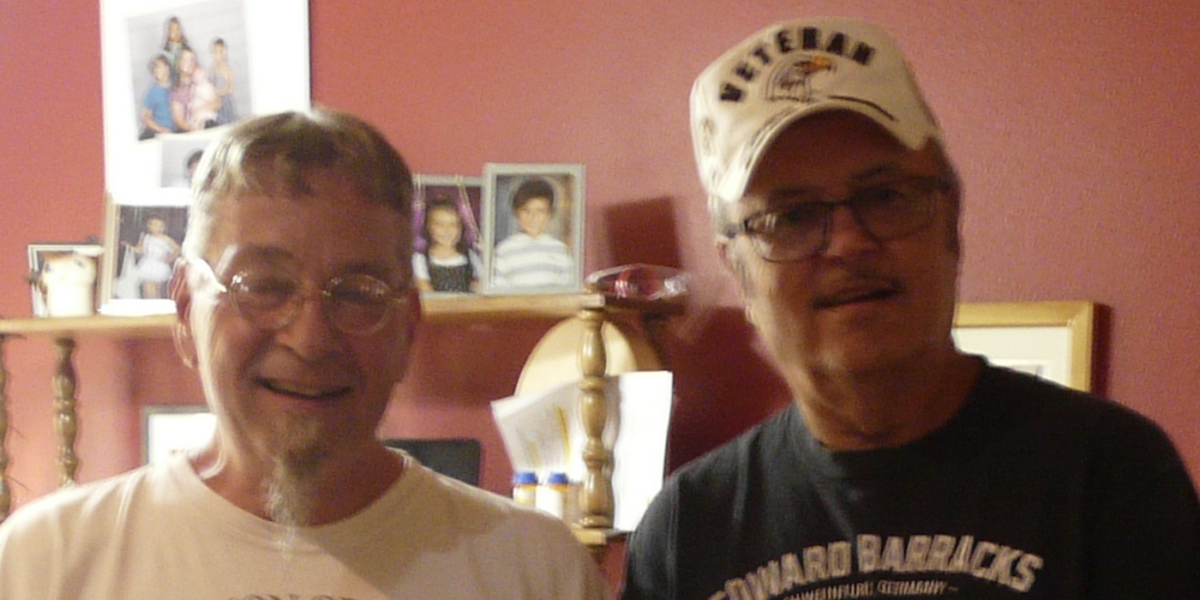 Today we’re joined by Budd Parker and Tim “Pete” Fairbanks. Budd is a Navy veteran and descendant of the White Earth Nation. He lives in Osage and was raised by grandparents who knew Civil War soldiers. He and his crew, including cousin Pete Fairbanks, dig through records. They clear forgotten cemeteries and set corrected headstones so families can hear their ancestors’ names again. Pete is also from the White Earth Nation, and he works with Budd to restore headstones and graveyards.
 - Alex Kmett: Culture as Curriculum, Language as Medium
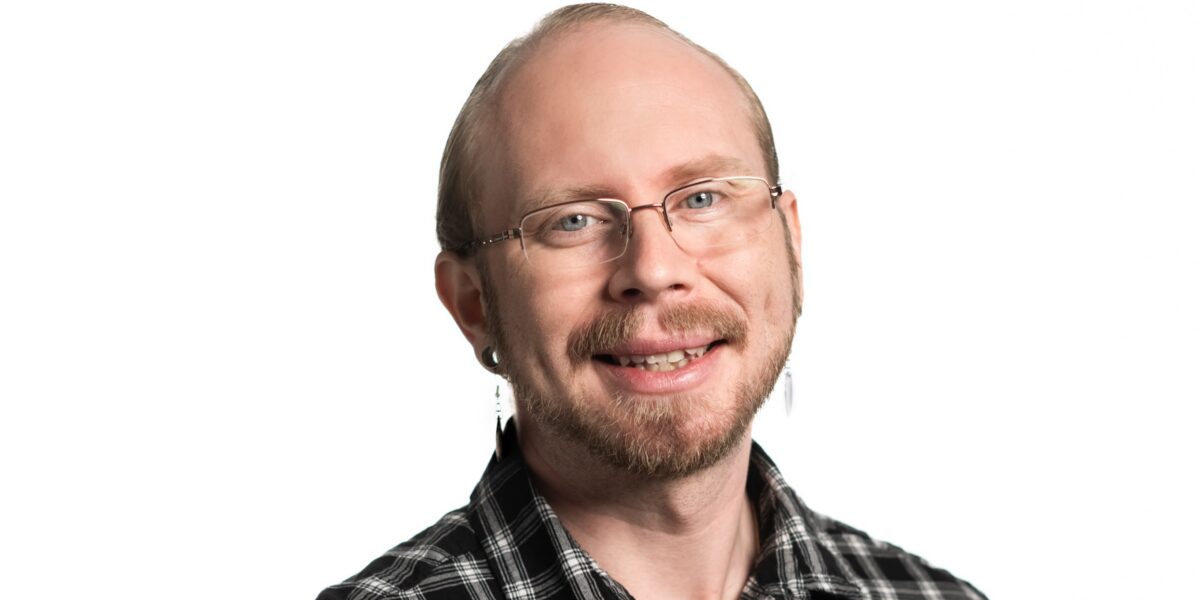 Today, we’re speaking with language revitalization leader and cultural educator Alex Kmett. Alex is a citizen of the Red Lake Nation and a descendant of the Leech Lake Band of Ojibwe. He’s a 2026 Bush Fellow and a co-founder of a charter school in Red Lake Nation.
 - Ryan Dixon: Making Friends with the Dakota Language
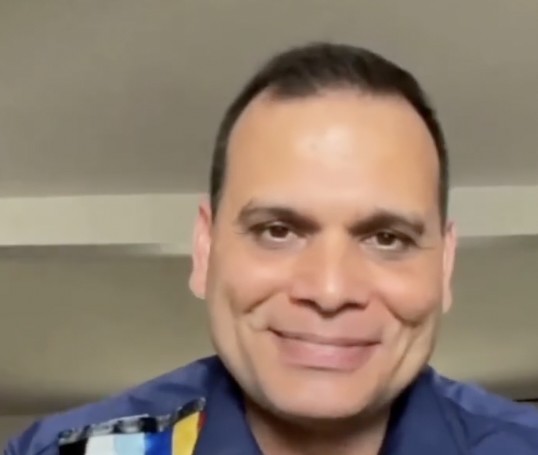 Today, we’re speaking with Ryan Dixon. Ryan is an enrolled member of the Oglala Lakota Tribe from Pine Ridge in South Dakota and has spent over two decades immersed in the Lower Sioux community in southern Minnesota. He trained under First Language Dakota speakers, and he now teaches Dakota. An educator and Indigenous language activist, he co-founded a Dakota Immersion Head Start programming and works to keep the language alive for future generations.
 - Michael Kurtz: Tales of a Wildlife Photographer
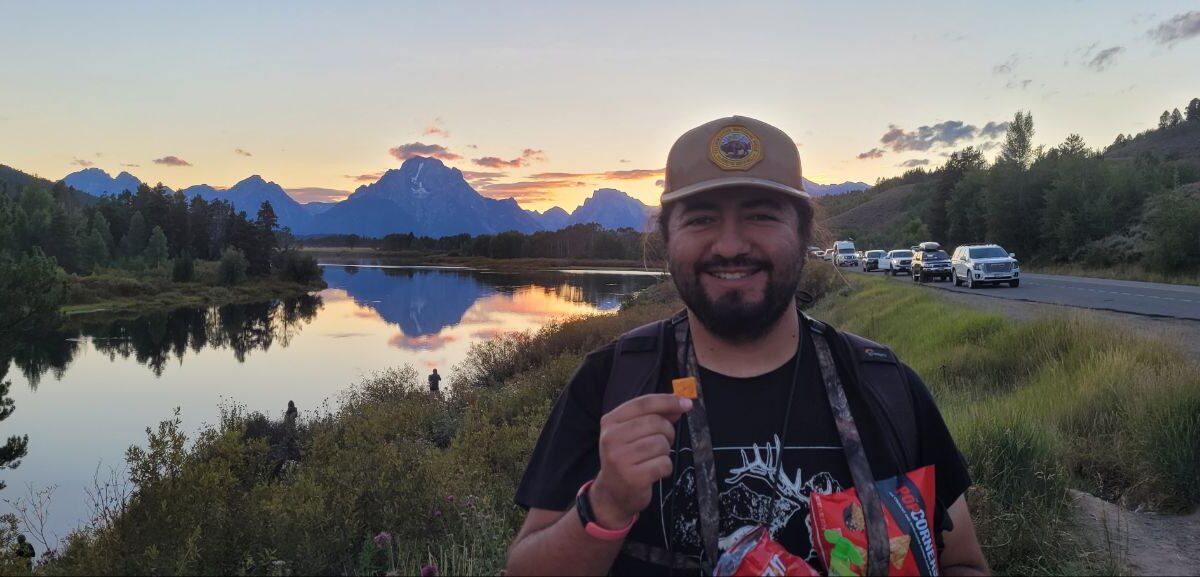 Our guest today is a photographer who takes some stunning photos of wildlife. We’re very excited to speak with Michael Kurtz (Tasunka Opi). He’s Sicangu Lakota, enrolled in the Lower Brule Sioux Tribe. He runs Lakota Photography, blending wildlife photography, tracking, and cultural education. He’s also a naturalist and has volunteered with groups like the National Park Service and Project Coyote. He has spent countless hours across the Dakotas, Minnesota, and beyond, capturing wildlife in its natural habitat. Currently, he’s supervisor of programming and interpretation with Hoċokata Ṫi Cultural Center at the Shakopee Mdewakanton Sioux community.
 - Kent Estey: The Art of Survival
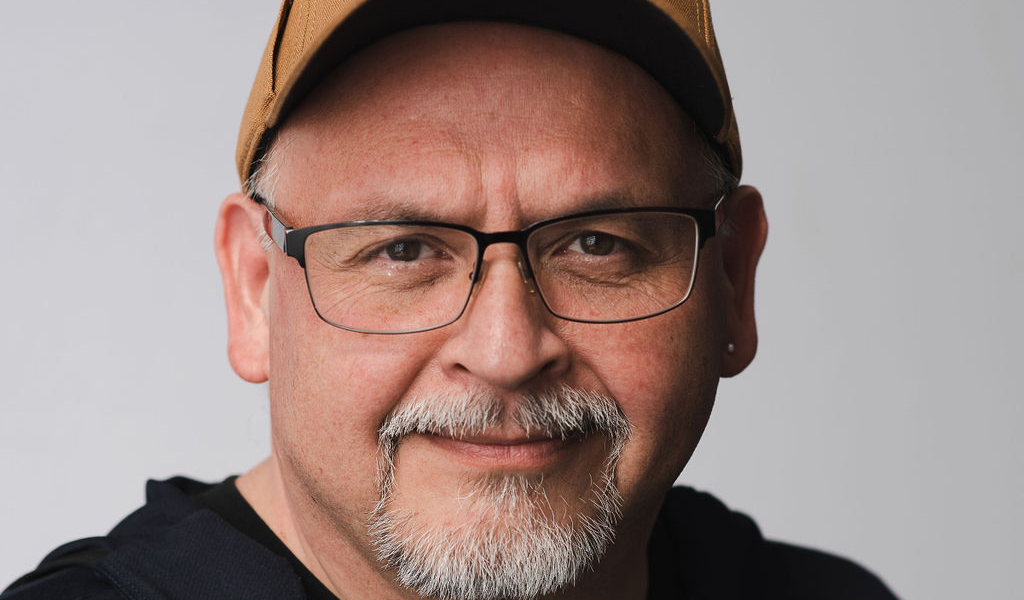 On this episode, we speak with contemporary artist and White Earth Nation citizen Kent Estey. Kent paints at his home studio in Naytahwaush, in the heart of the White Earth Reservation. He’s known for really bold abstract landscapes, acrylic, oil, ink, and metal. He’s also an author. In 2025, he released the children’s book Picking Sweetgrass. His latest exhibit, “Mino-Bimaadiziwin: The Good Life” runs through Labor Day weekend in Detroit Lakes.
 Minnesota Ready To Vaccinate Children Ages 12 To 15 Once CDC Issues Guidance