
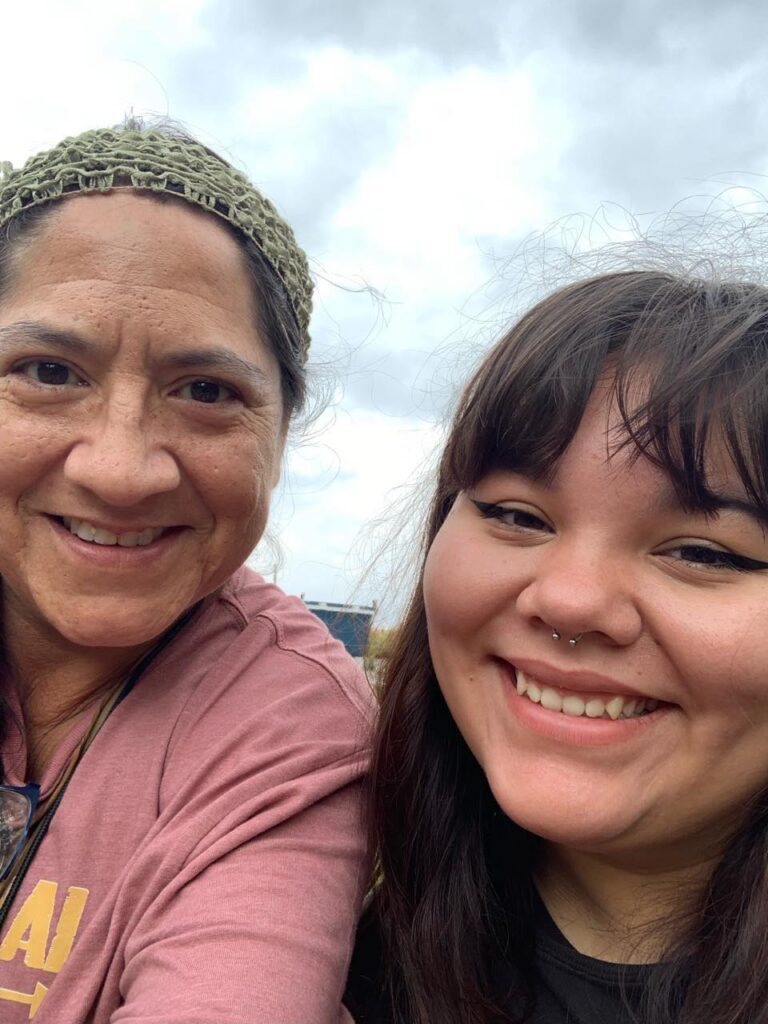
| Sherburne County partnered with St. Cloud State University to offer a chance for Indigenous students to connect with both the land and their heritage. Reporter Chandra Colvin has the story. |
CHANDRA COLVIN: In late September, indigenous students had the chance to connect to mother earth by planting sweetgrass at the Sherburne National Wildlife Refuge. These students are a part of a new program through the St. Cloud State University American Indian Center. This program is known as the Indigenous Learning Community or the ILC. Coordinator Bearpaw Shields, who is both Dakota and Nakota, explains:
BEARPAW SHIELDS: The Indigenous Learning Community was created – this unique program that is grant funded. And it was designed to help, recruit, retain, and graduate our indigenous students. And so part of my role, as well, is to help mentor the students, and to help them succeed through the college role here at St. Cloud State University.
Because a lot of times we get first time students, and it’s really scary. They don’t know a lot about college life. And I want to really help them stay on track, because it’s so easy to fall into the wrong crowd. And then, they don’t end up graduating. So I’m serving here as a mentor, and as a guide, basically a guide, if you want to put it that way.
CHANDRA COLVIN: The ILC provides experiences to indigenous students both inside and outside of the classroom. Students can take culturally relevant classes as a cohort and spend time together in the American Indian Center on campus studying. Bearpaw Shields coordinated the sweet grass planting with Sherburne County’s Park Director.
GINA HUGO: I’m Gina Hugo. I’m the parks director for Sherburne County. And we’re here at the Big Elk Lake Parkland, where we have been working with several Minnesota tribal communities on a cultural landscape co management vision for a sacred landscape that’s in county stewardship right now. And today, we’re out with some amazing St. Cloud State students to expand a sweet grass meadow on the landscape.
CHANDRA COLVIN: Bearpaw Shields explains how this partnership came to be.
BEARPAW SHIELDS: I first met her probably about a few years ago. I was introduced to her because she was working on this property that we planted the sweet grass on. And she wasn’t educated on American Indians. And so I took her underneath my wing, and educated her. And so she you know, talking to her about how there’s not a lot of places for our people to whether it’s harvest sweet grass, or sage or chokecherries or elderberries, things that are people traditionally used as medicines and for ceremonies. And so she then decided, you know what, I think this would be a great idea for this when they’re going to do the park to have the sweet grass. So then our generations can come and harvest sweet grass, and so we can continue to use the medicines that our people have done for many years.
CHANDRA COLVIN: Aria, a part of the Red Lake Tribe is a second-year medical laboratory science student. They share their experience on this opportunity:
ARIA: I decided to come here to kind of connect closer with my culture. I think that being able to plant sweet grass in itself is an amazing experience. And I feel like a lot of Native Americans should be able to have that experience to connect closer with their culture and be able to grow closer as a community in general.
CHANDRA COLVIN: This is the first of several activities that the Indigenous Learning Community students at St. Cloud State University will experience this year. Planned activities include traditional crafts, such as ribbon skirt and shirt making, as well as visits from an Ojibwe elder. For Minnesota Native News, this is Chandra Colvin.
More from Native Lights
- Alex Kmett: Culture as Curriculum, Language as Medium
 Today, we’re speaking with language revitalization leader and cultural educator Alex Kmett. Alex is a citizen of the Red Lake Nation and a descendant of the Leech Lake Band of Ojibwe. He’s a 2026 Bush Fellow and a co-founder of a charter school in Red Lake Nation.
 - Ryan Dixon: Making Friends with the Dakota Language
 Today, we’re speaking with Ryan Dixon. Ryan is an enrolled member of the Oglala Lakota Tribe from Pine Ridge in South Dakota and has spent over two decades immersed in the Lower Sioux community in southern Minnesota. He trained under First Language Dakota speakers, and he now teaches Dakota. An educator and Indigenous language activist, he co-founded a Dakota Immersion Head Start programming and works to keep the language alive for future generations.
 - Michael Kurtz: Tales of a Wildlife Photographer
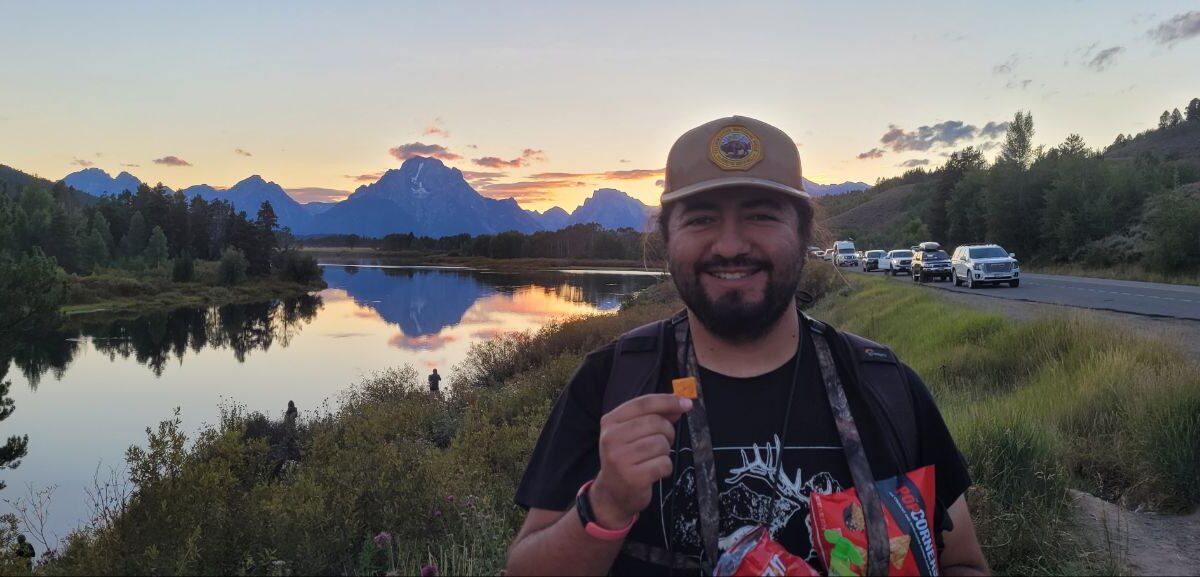 Our guest today is a photographer who takes some stunning photos of wildlife. We’re very excited to speak with Michael Kurtz (Tasunka Opi). He’s Sicangu Lakota, enrolled in the Lower Brule Sioux Tribe. He runs Lakota Photography, blending wildlife photography, tracking, and cultural education. He’s also a naturalist and has volunteered with groups like the National Park Service and Project Coyote. He has spent countless hours across the Dakotas, Minnesota, and beyond, capturing wildlife in its natural habitat. Currently, he’s supervisor of programming and interpretation with Hoċokata Ṫi Cultural Center at the Shakopee Mdewakanton Sioux community.
Subscribe to Minnesota Native News in your favorite podcast app


- Day of Remembrance Honoring Boarding School Survivors, and Bowwow Powwow on StageThis week, the community gathers to honor boarding school survivors and a popular children’s book debuts as a play.
- MNN Extended Interview: Bryan BostoThis week, we revisit producer Emma Needham’s interview with Bryan Bosto, who was recently inducted into the Minnesota Lacrosse Hall of Fame for the work he has done in growing the game in Native communities.
 Adrienne Zimiga-January: Bringing more Native Voices to Theaters